
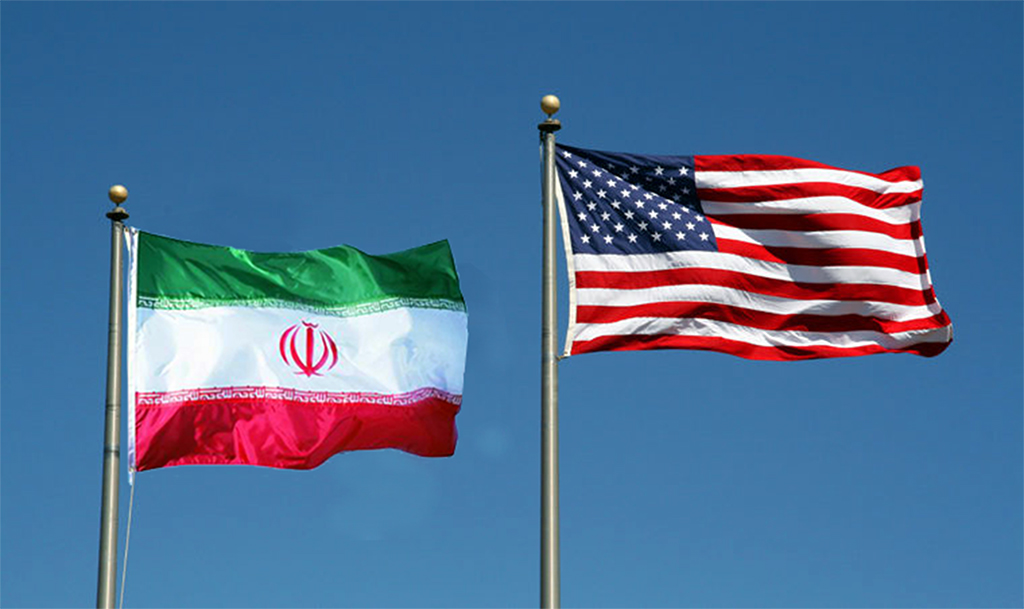

The United States has spent around $25 billion on its ongoing military operations in Iran. A senior defence official confirmed the figure during a congressional briefing.
This marks the first official estimate of the war’s financial burden. The cost highlights the scale of US military engagement in the conflict.
Pentagon Official Reveals Spending Breakdown
Jules Hurst, acting comptroller at the Pentagon, shared the details with lawmakers. He presented the information before the House Armed Services Committee.
Hurst explained that most of the spending went toward munitions. These include missiles, airstrikes, and other military resources used in operations.
He provided the estimate as part of ongoing budget oversight discussions. The figure reflects only confirmed expenditures so far.
Start of Military Strikes in February
The United States began military strikes against Iran on February 28. These operations marked a sharp escalation in tensions between both countries.
Since then, both sides have remained in a state of high alert. Military activity has continued intermittently across the region.
The conflict has placed significant pressure on defence budgets and strategic planning.
Fragile Ceasefire Currently in Place
Despite earlier escalation, a fragile ceasefire is now holding between the two sides. However, the situation remains unstable.
Both the United States and Iran continue to maintain military readiness. Officials have warned that tensions could rise again quickly.
Diplomatic efforts have not fully resolved underlying issues. Therefore, uncertainty continues to define the situation.
High Cost of Military Operations
The $25 billion figure highlights the financial intensity of the conflict. Most of the expenditure has gone into operational military activity.
Munitions account for the largest share of spending. These include precision strikes and other combat-related resources.
The scale of spending reflects the high operational tempo of the campaign.
Congressional Scrutiny Intensifies
Lawmakers have begun closely examining the financial impact of the war. The Pentagon briefing was part of broader oversight efforts.
Officials are assessing how the conflict affects long-term defence budgeting. The rising costs have raised concerns in Washington.
Strategic and Financial Pressure Builds
The conflict has created both strategic and financial pressure for the United States. Military operations continue to demand significant resources.
At the same time, policymakers face questions about sustainability. The long-term cost of the war remains uncertain.
Conclusion: A Costly and Unresolved Conflict
The Iran conflict has already cost the United States $25 billion. Most of this spending has gone toward active military operations.
While a ceasefire currently holds, tensions remain high. The financial and strategic impact of the war continues to grow.

