

Confusion and disruption gripped Islamabad and Rawalpindi as authorities enforced sudden security measures. The crackdown came ahead of the expected arrival of foreign dignitaries for upcoming talks.
Despite official claims of preparedness, the situation quickly turned chaotic. Residents, commuters, and students faced unexpected challenges across both cities.
Sudden Road Closures Trigger Widespread Disruption
Authorities deployed heavy police contingents throughout key areas. Major routes, including Murree Road, were sealed without prior notice.
Public transport services were also restricted near Faizabad. As a result, daily commuters struggled to reach their destinations.
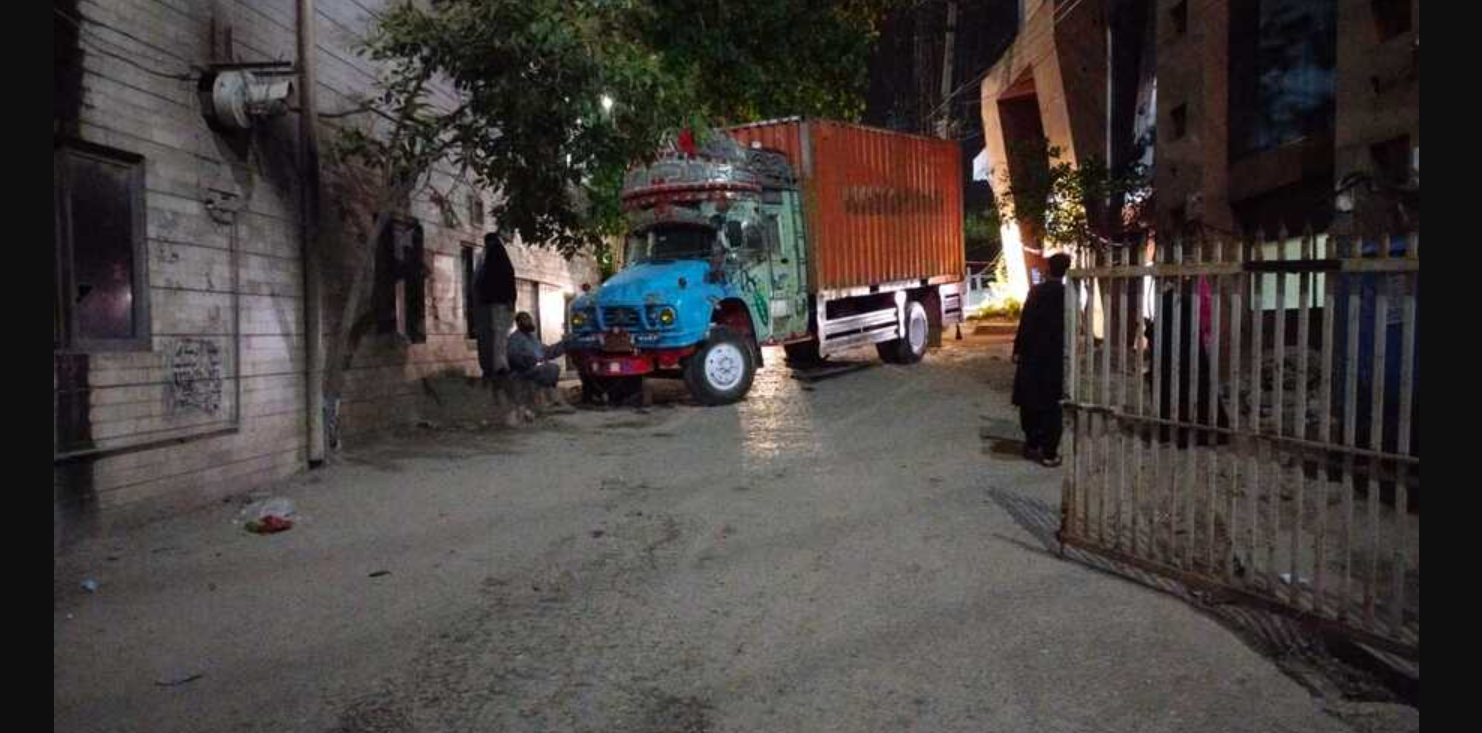
Containers were placed abruptly in several areas, including Shah Khalid Colony near Noor Khan Airbase. Consequently, traffic flow was severely affected.
Many residents reported being stranded for hours. Moreover, the lack of advance communication worsened public frustration.
Students Face Severe Hardships
Students experienced the most significant disruption during the crackdown. Several hostels in Rawalpindi received late-night evacuation orders.
Many students had to leave immediately, despite adverse weather conditions. This situation created distress, especially for female students from distant areas.
At one hostel, authorities reportedly sealed the premises while students remained inside. As a result, movement was restricted without clear explanation.
In another case, students were asked to vacate late at night. Consequently, many were left without safe accommodation options.
Educational institutions also issued sudden instructions. Therefore, uncertainty increased among students regarding their safety and arrangements.
Conflicting Orders Deepen Confusion
Authorities issued inconsistent directives during the operation. Shopkeepers received orders to close businesses at midnight.
However, some instructions were reversed shortly afterward. This inconsistency created confusion among business owners.
“There is an order now until the order is changed,” one officer remarked.
Such statements reflected a lack of coordination. Therefore, the situation became increasingly difficult to manage.
Transport Shutdown Adds to Public Anxiety
Key routes from Koral to Khanna Pul were also closed. These closures disrupted movement across major parts of the cities.
Reports indicated that additional police personnel were expected by morning. As a result, residents anticipated further restrictions.
Parents of students preparing for entrance exams expressed concern. In particular, uncertainty surrounded exam schedules at major institutions.
The absence of clear announcements increased anxiety. Therefore, many families remained unsure about next steps.
Security Measures Raise Questions
The widespread clampdown highlighted challenges in managing large-scale security operations. While authorities aimed to ensure safety, execution appeared disorganized.
The lack of coordination between departments created unnecessary hardship. Moreover, sudden decisions disrupted routine life without warning.
Residents questioned whether the measures reflected preparedness or mismanagement. Therefore, public confidence appeared affected.
Conclusion
The security operation in Islamabad and Rawalpindi led to widespread disruption. While intended to ensure safety, it created confusion and inconvenience.
The situation underscores the need for better planning and communication. Ultimately, effective coordination remains essential to balance security with public ease.

