
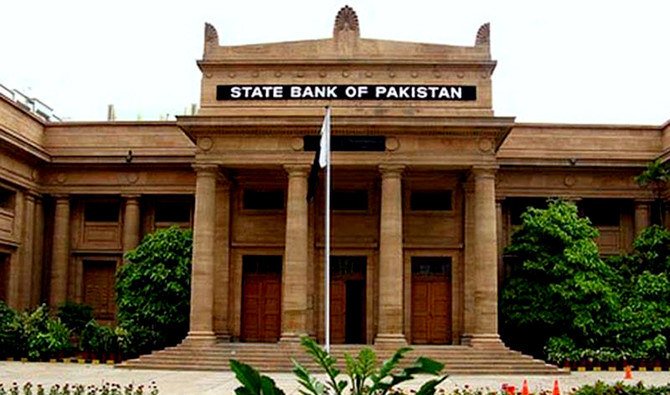

Central Bank Maintains Cautious Monetary Position
The State Bank of Pakistan has kept its benchmark policy rate unchanged at 11.5 percent.
The Monetary Policy Committee announced the decision after its first meeting of the 2026-27 fiscal year on Monday.
SBP Governor Jamil Ahmad announced the decision during a press conference in Karachi.
The outcome was widely expected by financial markets and economic analysts.
The committee decided that the current interest rate remained appropriate amid uncertain domestic and global economic conditions.
The latest decision marks the second consecutive meeting in which the central bank has maintained the rate at 11.5 percent. The previous decision was announced on June 15, 2026.
Inflation and Oil Prices Remain Key Concerns
The central bank remains focused on bringing inflation towards its medium-term target range of five to seven percent.
However, renewed tensions in the Middle East have increased uncertainty in global energy markets.
Pakistan relies heavily on imported fuel, making the economy vulnerable to rising international oil prices.
Higher oil costs can increase transport, electricity and production expenses.
They can also create pressure on inflation, foreign exchange reserves and the current account.
The policy rate was increased by 100 basis points in April 2026, rising from 10.5 percent to 11.5 percent.
The central bank cited growing risks from the Middle East conflict, supply disruptions and rising energy costs when announcing that increase.
The MPC kept the rate unchanged in June after concluding that global oil prices remained above pre-conflict levels.
Headline inflation had also moved above the central bank’s preferred range, strengthening the case for a cautious monetary policy.
Businesses Face Continued High Borrowing Costs
The unchanged policy rate means borrowing costs will remain elevated for businesses and consumers.
Commercial banks use the policy rate as a major reference when pricing loans.
A higher rate can make financing more expensive for industries, exporters, homeowners and small businesses.
However, maintaining the rate can also help control demand and prevent inflation from accelerating.
Analysts said the SBP was balancing economic growth against risks from fuel prices, geopolitical tensions and external financing pressures.
Lower interest rates could support investment and business activity.
However, premature monetary easing could increase inflation and weaken economic stability.
The central bank’s current published policy rate remains 11.5 percent, with the overnight interest-rate corridor ranging from 10.5 percent to 12.5 percent.
Future policy decisions are expected to depend on inflation, international oil prices, currency stability and Pakistan’s external financial position.

