
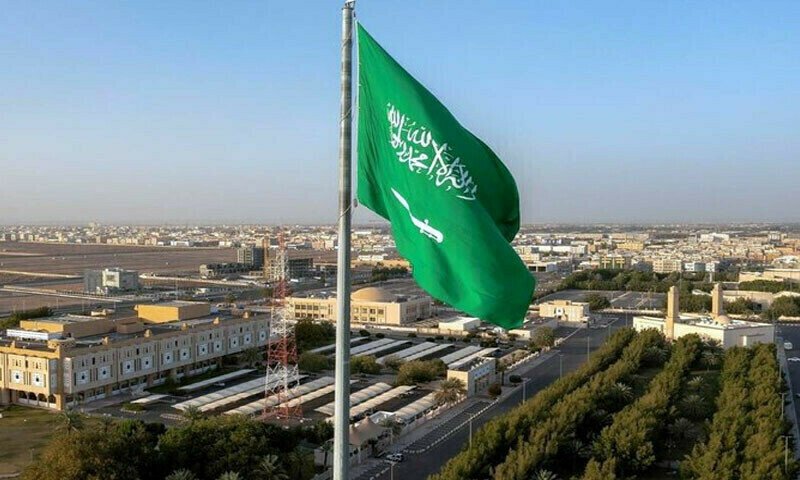

Saudi Arabia appears to be reconsidering its geopolitical and energy partnerships following recent developments in the Middle East and global oil markets.
Analysts say Riyadh has alternated between closer ties with the United States and stronger engagement with China and Russia over the past decade. Before the 2014-2016 oil price war, Saudi Arabia maintained its closest strategic relationship with Washington. However, after the market turmoil ended, Riyadh increasingly strengthened cooperation with Beijing and Moscow.
According to the analysis, the beginning of US President Donald Trump’s second term prompted Saudi Arabia to move closer to Washington again. Nevertheless, recent regional tensions, including the aftermath of Operation Epic Fury against Iran, may encourage another shift toward China and Russia.
Several high-level meetings between Chinese and Saudi officials took place last week. One notable meeting involved Song Hongkun, deputy head of China’s National Energy Administration, and Mohammed Al Qahtani, Saudi Aramco’s downstream president.
During the discussions, both sides explored ways to enhance global energy security. They also reviewed opportunities to expand bilateral cooperation in the oil and gas sectors.
Observers link these developments to the long-term consequences of the 2014-2016 oil price war. That period placed significant financial pressure on members of OPEC and altered energy relationships worldwide.
For decades, Saudi Arabia and the United States maintained a strategic partnership rooted in a 1945 agreement. Under that understanding, Saudi Arabia supplied reliable oil while Washington provided security guarantees for the kingdom.
The relationship survived several regional crises, including the 1973 oil embargo. However, analysts argue that the rise of US shale production transformed global energy dynamics. As American oil output expanded, Washington became less vulnerable to lower oil prices.
Consequently, some experts believe the oil price war weakened the foundations of the long-standing US-Saudi energy partnership and accelerated Riyadh’s search for alternative strategic partners.

