

Moscow Forms Joint Task Force to Protect Commercial Shipping
Russia is strengthening security for commercial vessels operating in the Azov and Black Sea region.
The move follows a sharp increase in drone attacks on ships, ports and maritime infrastructure linked to the war in Ukraine.
Russia’s Transport Ministry said protective measures were being developed for civilian vessels. Port authorities are also working to improve traffic management and reduce the time ships remain exposed during loading and unloading operations.
The ministry said shipowners were reviewing additional protection for their fleets. Bulk cargo could also be redirected to other transport networks if security conditions deteriorate further.
Russia is reportedly coordinating with defence officials, port operators and industry representatives. The authorities aim to protect commercial ships, maintain freight movement and prevent major delays at export terminals.
Several Russian port operators have indicated that they could process additional cargo. However, any increase would depend on terminal capacity and operational conditions.
Grain Cargo Could Be Shifted to Alternative Routes
Russian authorities are considering alternative ports, railways and inland transport routes for agricultural exports.
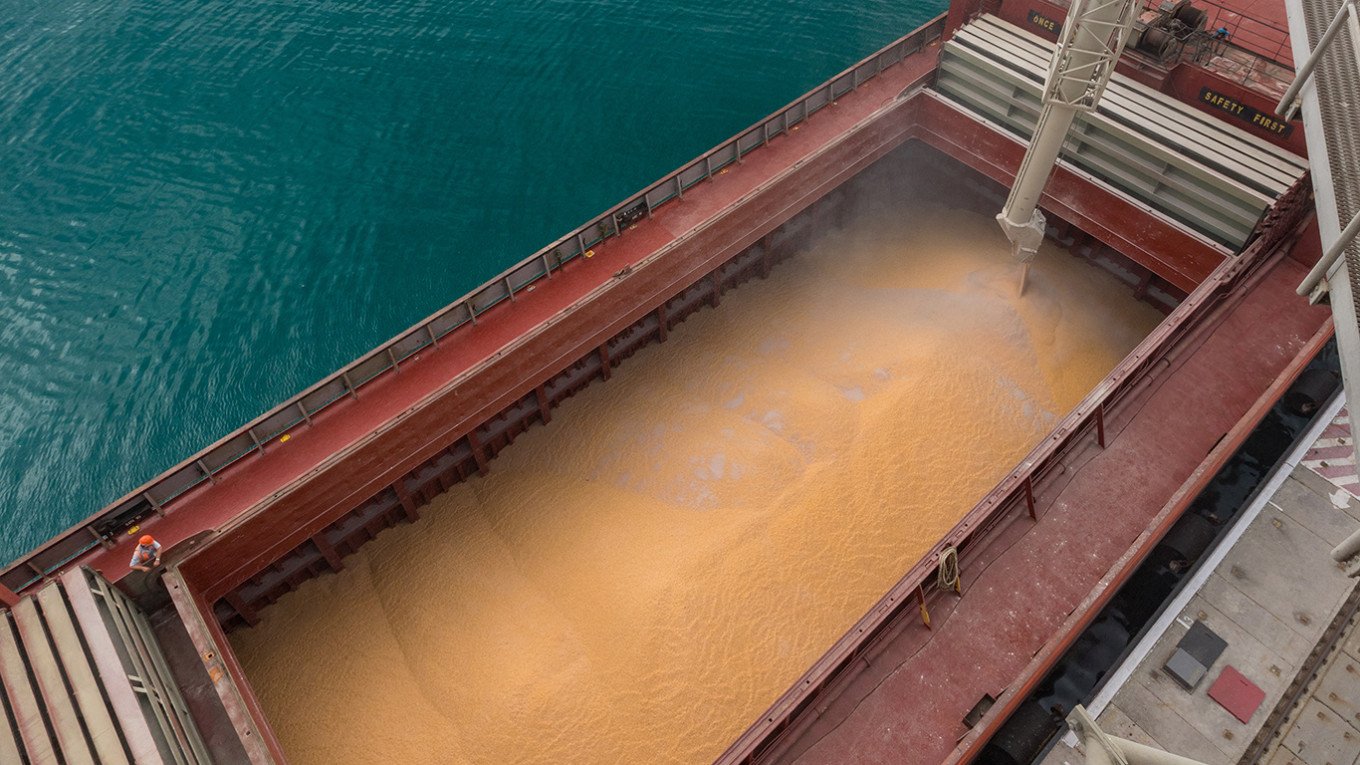
The Sea of Azov is an important corridor for Russian grain shipments. Around one-quarter of the country’s grain exports normally move through ports connected to the region.
Recent attacks have disrupted shipping near the Kerch Strait and other strategic maritime passages. Russian officials have said cargo could be redirected to deep-water Black Sea terminals or ports in other regions.
However, industry analysts warn that alternative routes may not have enough capacity to replace disrupted Azov shipments immediately.
Russia is the world’s largest wheat exporter. Any prolonged disruption to its shipping network could reduce global supplies and increase transportation, insurance and storage costs.
Russia’s main grain exporters’ organisation has warned that continued attacks on ships and port infrastructure could eventually halt Black Sea grain exports.
The organisation claimed that a prolonged suspension could push wheat prices higher and affect countries in Africa and the Middle East that depend heavily on imported grain.
These warnings reflect industry concerns and have not been presented as confirmed forecasts.
Russian and Ukrainian Exports Face Mounting Pressure
Ukraine’s agricultural export system is also facing serious disruption.
Ukrainian farming representatives say repeated Russian missile and drone attacks have damaged ports, storage facilities and transport infrastructure in the Odesa region.
More than 90 percent of Ukraine’s agricultural exports normally pass through three major ports in southern Odesa.
Ukraine’s main farmers’ union said the country had lost approximately one-third of its Black Sea grain export capacity. Monthly cargo handling reportedly declined from around six million tonnes to nearly four million tonnes.
Several grain terminals have suspended purchases or reduced operations. Shipowners are also becoming more reluctant to enter high-risk waters, increasing freight and insurance costs.
Both Moscow and Kyiv accuse the other of attacking civilian ships and infrastructure. Claims made by either side during the conflict are often difficult to independently verify.
The widening maritime conflict has increased concerns about the safety of crews, commercial vessels and global food supply chains.
Russia and Ukraine remain major agricultural exporters. Continued disruption could force international buyers to seek grain from more expensive suppliers.
The impact could be particularly severe for countries that rely on affordable Black Sea wheat and have limited financial resources to absorb higher prices.

