

Moscow claims humanitarian initiative was declined as both sides dispute control of frontline town
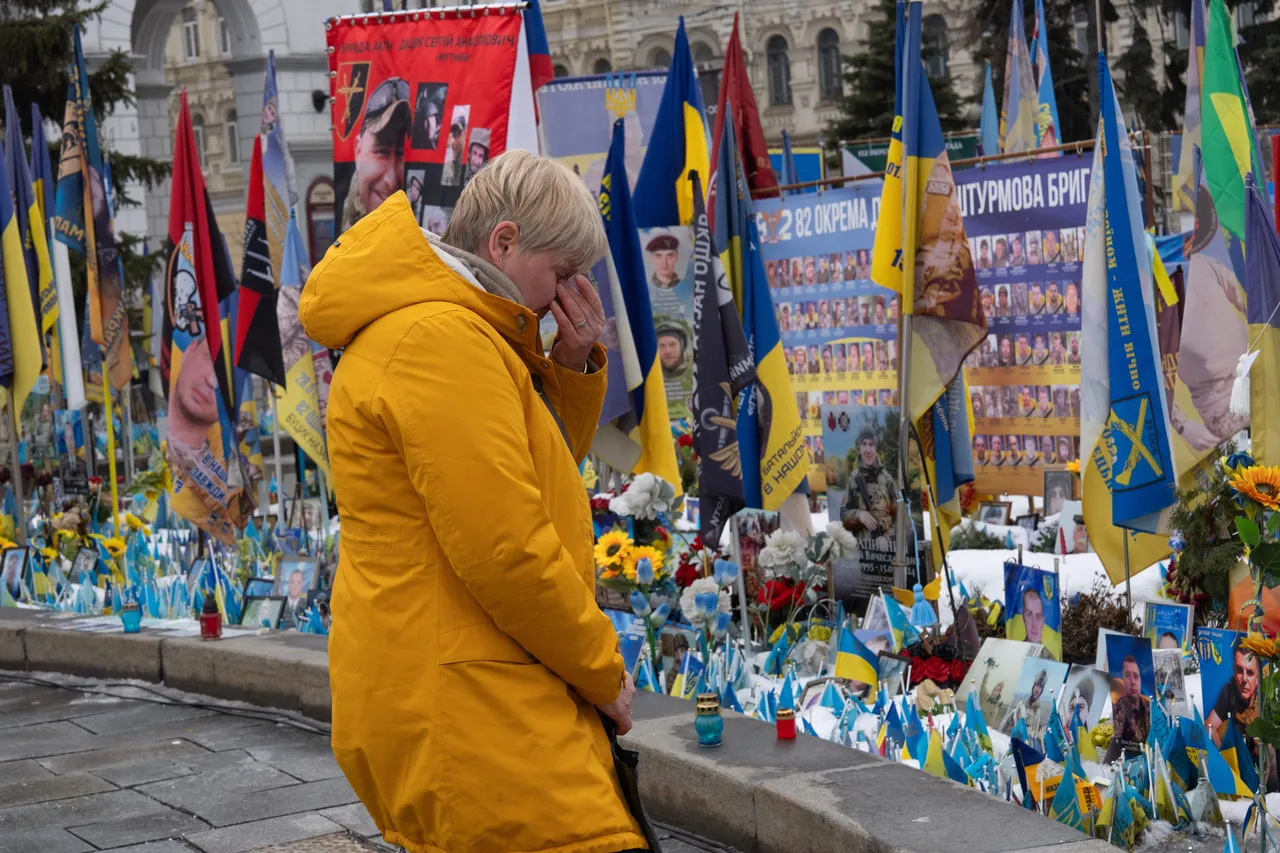
MOSCOW: Russia said on Sunday that Ukraine rejected a proposal to conduct a humanitarian operation to recover the bodies of Ukrainian soldiers from the frontline town of Kostiantynivka in the eastern Donetsk region.
In a statement, Russia’s Defence Ministry said it offered the proposal on Friday, suggesting that once Russian forces established full control of the town and military operations ended, the bodies of fallen Ukrainian servicemen could be transferred for burial.
According to the ministry, discussions were held through intelligence channels, but the Ukrainian side allegedly declined the proposal. Moscow further accused Kyiv of failing to ensure the dignified burial of its fallen soldiers and claimed Ukrainian authorities had taken no meaningful action to recover the bodies.
Ukraine did not immediately respond to the latest Russian statement.
Ceasefire proposal linked to body recovery
Earlier, Russia proposed a temporary suspension of shelling in Kostiantynivka from 1200 to 1800 Moscow time (0900-1500 GMT) on July 6 to facilitate the humanitarian operation. The proposal aimed to allow recovery teams safe access to the area for the transfer of the bodies.
The announcement followed Russia’s claim that it had captured Kostiantynivka, a strategically important industrial town in eastern Ukraine.
Battlefield claims remain disputed
However, Ukrainian President Volodymyr Zelenskyy rejected Moscow’s assertion, insisting that Kostiantynivka remains under Ukrainian control. He also accused Russian President Vladimir Putin of misrepresenting developments on the battlefield.
Independent verification of the competing claims remains impossible because of the ongoing fighting and restricted access to the conflict zone.
The latest exchange underscores the continuing humanitarian and military challenges of the war, as both sides remain locked in intense fighting across eastern Ukraine while disputes over territorial control and battlefield casualties continue to complicate diplomatic and humanitarian efforts.

