
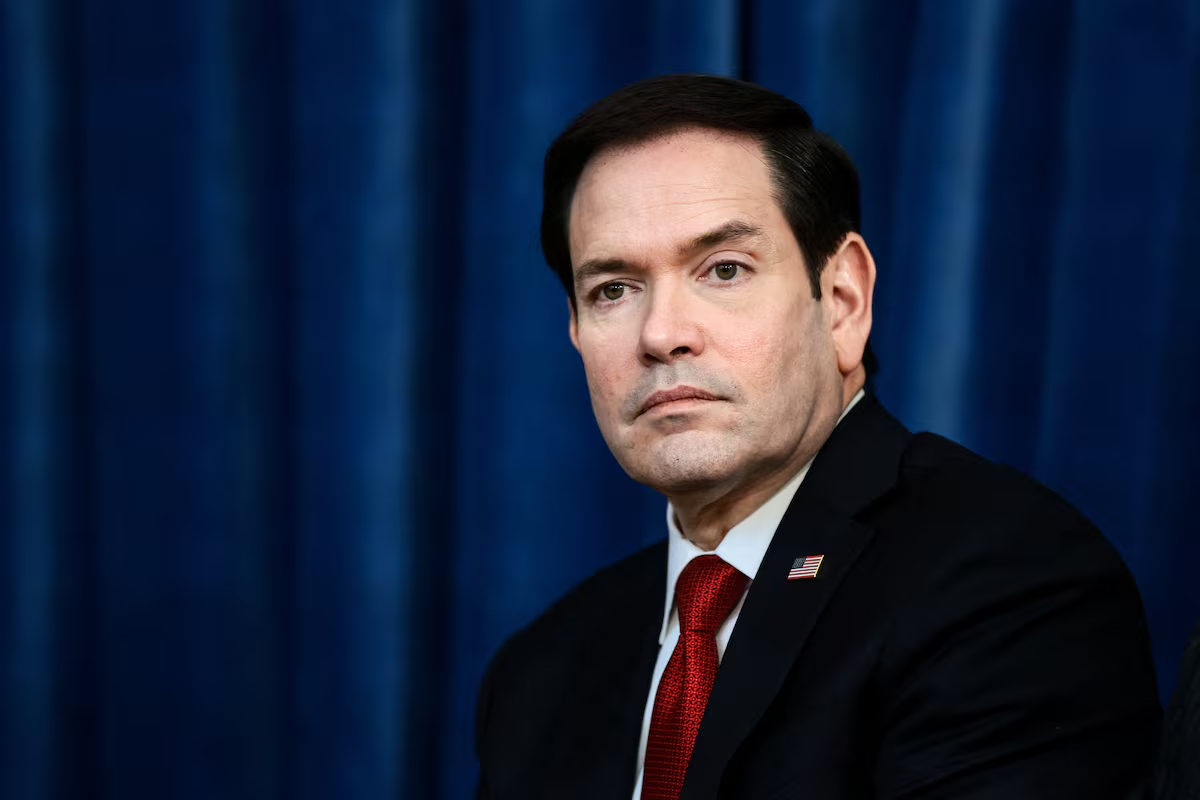

The future of the strategically important Strait of Hormuz has drawn renewed international attention after U.S. Secretary of State Marco Rubio rejected the idea of transit fees. He said no country has the legal authority to impose tolls or charges on vessels using the waterway.
Speaking during a visit to Abu Dhabi, Rubio stressed that the Strait of Hormuz remains an international maritime passage governed by global law. Therefore, he said all ships must enjoy freedom of navigation without restrictions or additional charges.
Rubio told reporters that international law does not allow any nation to collect taxes, tolls, or service fees from vessels transiting the strategic shipping corridor. Moreover, he said Gulf countries share Washington’s position that unrestricted access remains essential for global trade and energy security.
His remarks followed recent discussions about the future administration of the waterway. Earlier, Iran and Oman issued a joint declaration stating they would examine management arrangements for the strait. The proposal included the possibility of fees linked to services provided in the area.
The announcement sparked debate among legal experts, policymakers, and energy analysts. They questioned the legal framework governing one of the world’s busiest maritime routes and the authority of coastal states over transit regulations.
Rubio also urged Iran to adopt a more responsible regional role. He argued that Tehran could expand economic opportunities and strengthen international engagement by pursuing policies that promote regional stability and cooperation.
Additionally, the U.S. secretary highlighted the need to address activities by armed groups linked to Iran. He said missile and drone attacks launched from neighboring countries continue to threaten regional security. He added that these concerns would remain part of ongoing diplomatic discussions between Washington and Tehran.
The Strait of Hormuz remains one of the world’s most important energy corridors. A significant share of global oil and liquefied natural gas exports passes through the waterway every day.
Analysts warn that any modifications to navigation rights, transit rules, or shipping costs could affect global energy markets and trade.

