

US secretary of state says lasting peace depends on ending proxy attacks as Trump insists Tehran will not get nuclear weapons
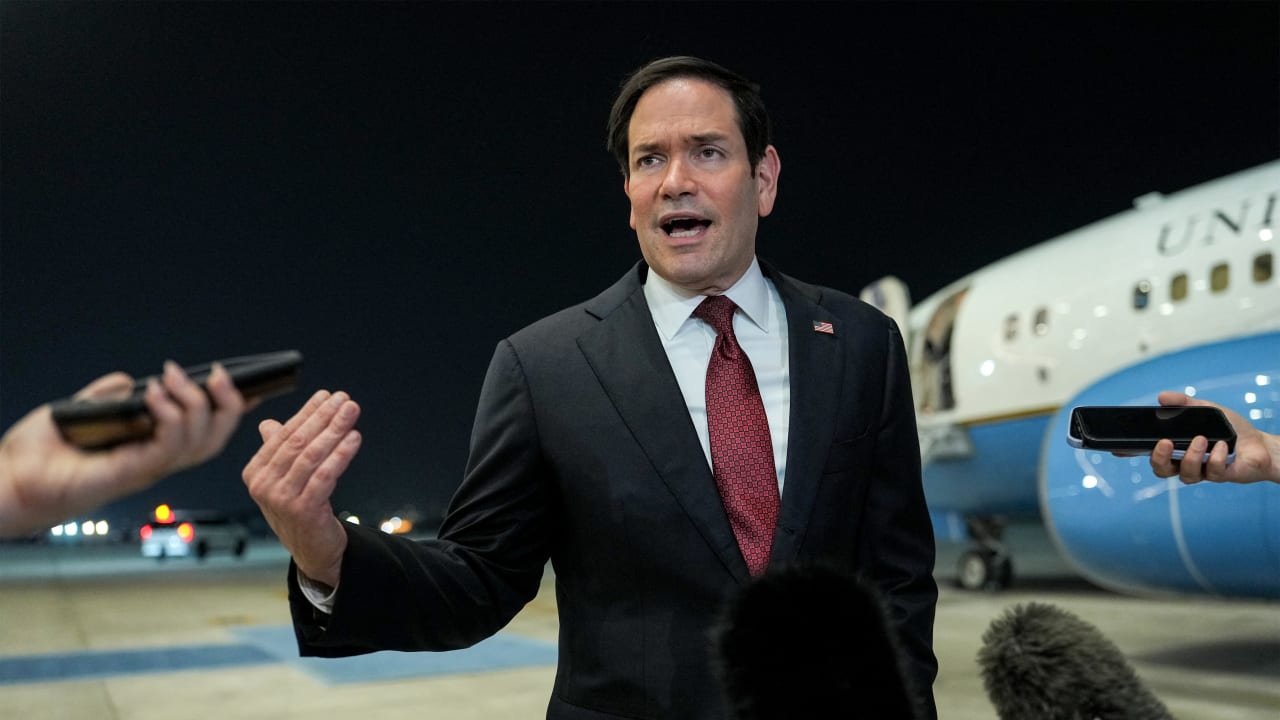
ABU DHABI: US Secretary of State Marco Rubio began his Gulf tour in the United Arab Emirates on Tuesday, using the visit to outline Washington’s priorities during the 60-day negotiating window with Iran and to push for broader regional stability.
Speaking after a day of meetings, Rubio said any lasting end to hostilities in the Middle East would require Iran to stop supporting armed proxy groups operating across the region. He also stressed that freedom of navigation through the Strait of Hormuz must be protected under international law.
“You cannot have the end of hostilities and conflicts in the region as long as Iranian proxies are launching missiles and drones from Iraq, and are participating in terrorism like Hamas did and Hezbollah did,” Rubio said.
Rubio links peace efforts to proxy rollback and open shipping lanes
Rubio said no country has the right to impose tolls or restrictions on an international waterway, referring to the strategic Strait of Hormuz, which remains central to global energy shipments and regional security concerns.
At the same time, he suggested Iran could still secure a different future if its leadership chose to abandon what he described as a revolutionary model based on exporting violence.
Rubio said Iran would have the opportunity to become a full participant in the global economy and international system if it moved away from backing militant groups and addressed broader security concerns.
He also clarified that parallel talks involving Israel and Lebanon are separate from the US-Iran track, adding that Washington would engage directly with Lebanon’s sovereign government.
Trump highlights inspections dispute and claims Iran weakened
President Donald Trump also commented on the negotiations, declaring that Iran would not be allowed to obtain a nuclear weapon and insisting the US had placed Tehran under unprecedented pressure.
Trump said the understanding reached in Switzerland included a commitment to future inspections by the International Atomic Energy Agency. However, Iranian officials rejected that claim and told state media that Tehran had made no new commitments regarding nuclear monitoring.
The president also argued that Iran’s military and leadership had been severely weakened and dismissed criticism of the agreement, saying opponents failed to understand the strategic position Washington now holds.
Rubio’s Gulf tour continues as the United States seeks to reassure Arab allies while keeping its fragile diplomatic process with Tehran on track.

