

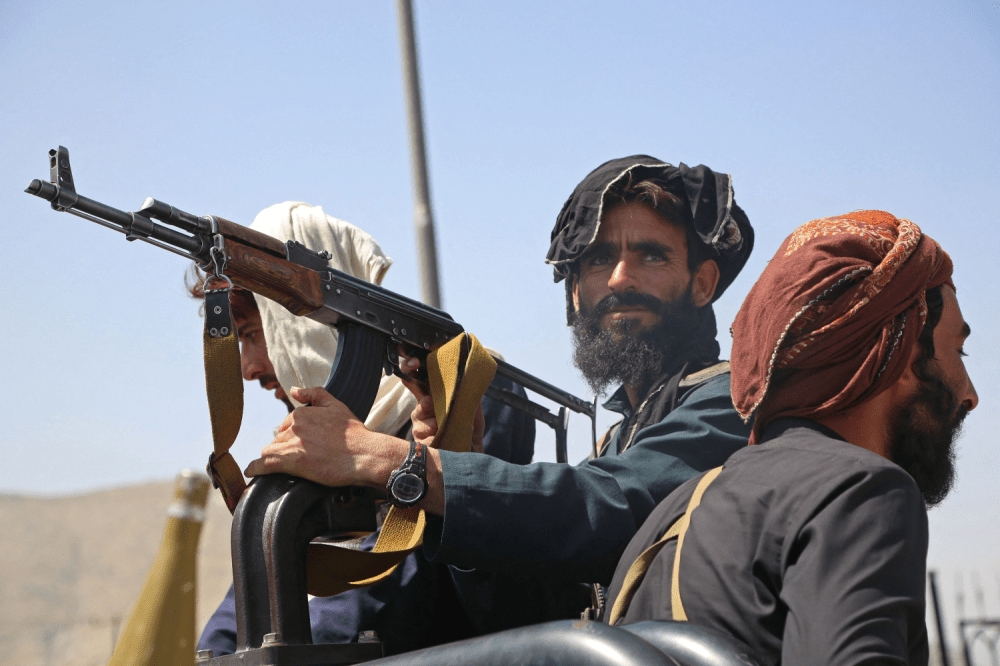

In Washington, a US watchdog report has raised concerns over $293 million in funds allocated to aid groups in Taliban-controlled Afghanistan.
According to the Special Inspector General for Afghanistan Reconstruction (SIGAR), two State Department bureaus failed to sufficiently prove compliance with internal vetting policies, potentially allowing extremists to benefit from the aid.
“It is crucial for the State Department to ensure that aid reaches its intended recipients and does not end up in the hands of the Taliban or other sanctioned entities,” SIGAR emphasized in its report released on Wednesday. The watchdog noted that the Taliban has attempted to access US aid through various means, including setting up humanitarian organizations.
While three out of five State Department bureaus were found to be compliant with vetting requirements, the Bureau of Democracy, Human Rights, and Labor, along with the Bureau of International Narcotics and Law Enforcement Affairs, lacked adequate documentation to demonstrate adherence to these policies.
The report highlighted that the absence of proper vetting procedures for the $293 million in aid increases the risk that terrorists and affiliated entities may have illegally benefited. The State Department, in response to the findings, acknowledged the report’s conclusions and committed to ensuring full compliance with vetting requirements moving forward.
Despite the completion of the US military withdrawal from Afghanistan in August 2021, the United States remains the largest donor of aid to the country, having provided over $17.9 billion since that time. The situation underscores ongoing challenges in ensuring aid effectiveness and preventing misuse in a volatile and evolving political landscape.
