
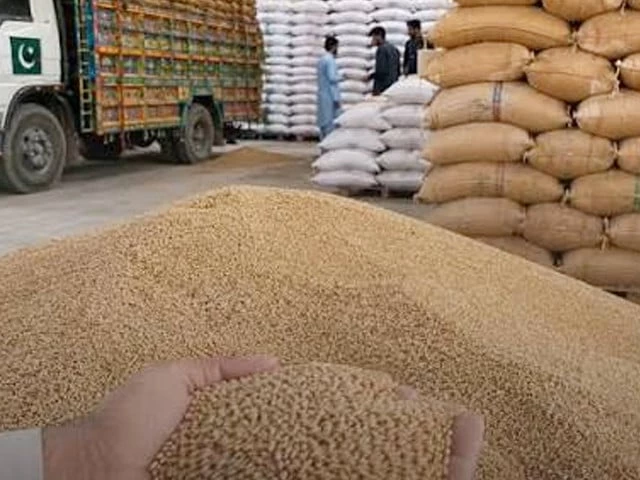

ISLAMABAD: Pakistan’s federal and provincial governments have started urgent discussions to prevent a possible wheat crisis after Punjab and Sindh reported shortages. Both provinces requested wheat supplies from federal reserves to control rising prices and maintain market stability.
The latest meeting marked the second discussion between federal and provincial authorities within a week. Officials reviewed options to manage the growing shortage concerns and ensure smooth wheat availability across the country.
Punjab requested one million tonnes of wheat from federal reserves. Meanwhile, Sindh demanded at least 220,000 metric tonnes from stocks stored by the Pakistan Agriculture Storage and Services Corporation (PASSCO).
The wheat supply challenges have mainly affected Punjab and Sindh, which are among Pakistan’s largest wheat-producing provinces. Experts linked the situation to two major factors: the removal of the wheat support price system and reduced government procurement from farmers this year.
Government Reviews Wheat Import Option
The meeting was led by Economic Affairs Minister Ahad Cheema. Officials discussed the possibility of importing wheat to strengthen national reserves. However, the government delayed a final decision until all provinces submit their complete wheat requirements.
A statement from Cheema’s office said: “The meeting also reviewed the option of importing wheat to strengthen strategic reserves, if necessary.”
The minister emphasized that any import decision would depend on a detailed review of domestic market conditions. He also assured that protecting farmers’ interests would remain a priority.
Pakistan officially produced around 29.8 million tonnes of wheat this year. However, concerns have increased because provincial procurement remained below expectations.
The government has also ruled out smuggling through the Afghanistan border after its closure in November. Officials believe controlling local supplies and improving stock management are essential to prevent further price increases.
Provinces Report Growing Wheat Demand
During the meeting, Punjab requested one million tonnes from PASSCO reserves. Sindh asked for between 220,000 and 700,000 tonnes, while Khyber-Pakhtunkhwa requested around 100,000 tonnes for public-sector needs and 700,000 tonnes for private-sector requirements.
Sindh also requested Punjab to relax restrictions on wheat movement between provinces. However, Punjab did not agree, citing its own supply management difficulties.
Officials said the federal government’s current wheat reserves stand at around 1.7 million tonnes. If all provincial demands are fulfilled, these reserves could be exhausted, creating pressure for additional imports.
A senior government official said Pakistan might need to import between 500,000 and one million tonnes of wheat to handle any emergency situation.
Wheat Production and Stock Situation Raises Questions
According to food ministry estimates, Pakistan produced nearly 29.78 million metric tonnes of wheat this year. The country also carried around two million tonnes from previous stocks.
The estimated national requirement stands at approximately 31.66 million tonnes. Although officials suggested that available stocks are close to meeting demand, supply distribution remains a major challenge.
Punjab officials reported difficulties in locating nearly four million tonnes of wheat believed to be stored by private holders. The province also failed to achieve its procurement target of three million tonnes from farmers.
Punjab purchased only around 480,000 tonnes, while Sindh procured slightly above 200,000 tonnes.
The Ministry of Economic Affairs stated that provincial representatives considered the wheat market stable and reported no immediate nationwide shortage.
Authorities also highlighted ongoing action against hoarding and market manipulation. These measures aim to prevent artificial shortages and unnecessary price increases.
Wheat and Flour Prices Continue to Rise
Wheat prices increased across several provinces between June and July. In Punjab, the price rose from Rs4,188 to Rs4,423 per 40 kg, showing an increase of Rs235.
Sindh recorded a larger increase, with prices rising from Rs4,188 to Rs4,625 per 40 kg. In Khyber-Pakhtunkhwa, wheat prices increased from Rs4,947 to Rs5,100, while Balochistan saw prices rise from Rs4,760 to Rs4,800.
Flour prices also increased in major cities. Rawalpindi, Islamabad, Peshawar, and Karachi recorded flour prices of around Rs142 per kilogram. Meanwhile, Gujranwala reported prices near Rs130 per kilogram.
Khyber-Pakhtunkhwa Finance Adviser Muzzammil Aslam described the situation as an unusual development because wheat concerns emerged only four months after harvesting.
“This is the first time a serious wheat crisis is brewing within four months of harvesting,” he said. He added that Punjab’s failure to complete its procurement target contributed to the current situation.
Federal Government Promises Continued Wheat Support
Ahad Cheema assured provinces that wheat stocks would be released according to agreements signed with PASSCO. He also promised additional supplies if demand increases in the coming weeks.
Federal Minister for National Food Security Rana Tanveer Hussain informed officials that PASSCO was supporting provincial governments to maintain smooth wheat distribution and improve stock management.
The federal and provincial governments continue working together to avoid supply disruptions. Moreover, officials aim to balance consumer needs with farmers’ interests while preventing further increases in wheat and flour prices.
The coming weeks will remain important as authorities decide whether existing reserves are enough or if wheat imports are required to stabilize the market.

