
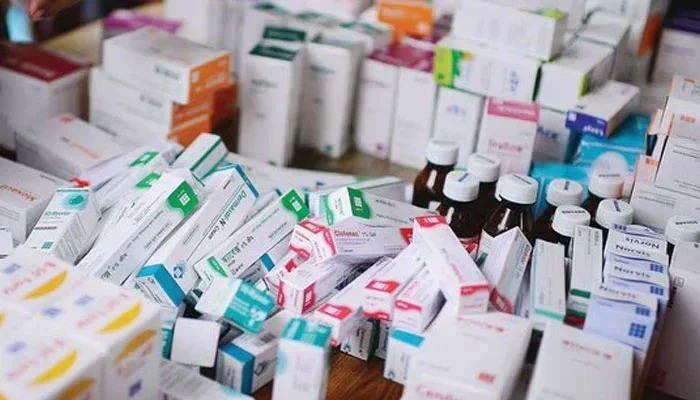

A major financial dispute involving 77 pharmaceutical companies has ended after the Punjab government cleared Rs387 million in outstanding payments. The breakthrough came following the intervention of the Punjab Ombudsman, who directed government hospitals to settle their unpaid bills.
The pharmaceutical companies had supplied medicines to public hospitals but faced delays in receiving payments. The outstanding dues created financial difficulties and disrupted their business operations.
The companies eventually approached the Punjab Ombudsman to seek assistance. They complained that government hospitals had failed to release payments despite receiving medicine supplies on time.
Following the complaints, the Ombudsman’s office launched an inquiry and requested a detailed report from the relevant authorities.
Officials examined the available records to determine the status of the outstanding payments. The review confirmed the need to address the companies’ pending financial claims.
After completing the investigation, the Punjab Ombudsman instructed the concerned hospitals to clear the outstanding dues on a priority basis.
The office continued monitoring the matter and followed up with authorities to ensure compliance with its instructions.
As a result, the Punjab government released Rs387 million to the 77 pharmaceutical companies, resolving their pending payment claims.
The development brought financial relief to the affected businesses, which had struggled with funding shortages caused by delayed payments.
Timely payments are particularly important for pharmaceutical suppliers because they help companies maintain inventory, manage operational expenses and continue supplying essential medicines.
Payment delays can create difficulties for businesses working with public healthcare institutions. Such problems may also affect the stability of medicine supply arrangements.
The pharmaceutical companies welcomed the Ombudsman’s intervention and expressed appreciation for the action taken to recover their outstanding dues.
The case highlights the importance of administrative accountability and effective complaint-resolution mechanisms in government institutions.
It also demonstrates how intervention by oversight authorities can help resolve financial disputes between private suppliers and public-sector organizations.
Although the payment dispute has been settled, the authorities have not disclosed the individual amounts received by each company or the reasons behind the original delays.
The development raises a broader question about whether government hospitals can improve their payment systems to prevent similar disputes in the future.

