
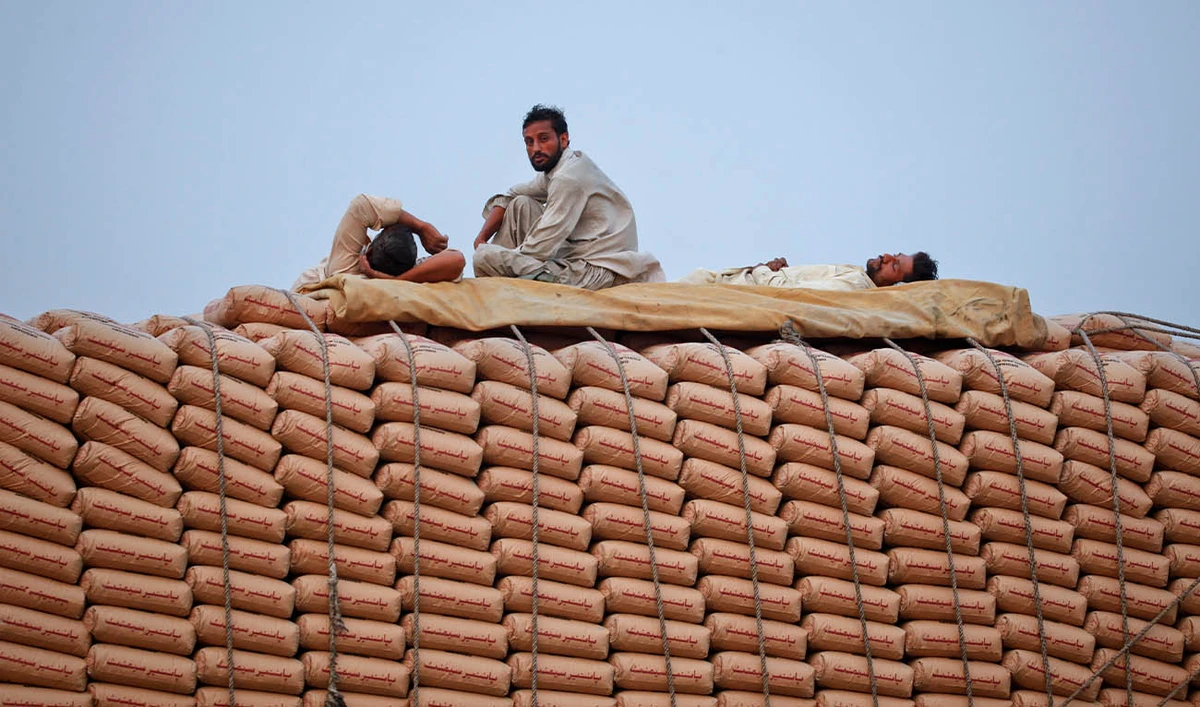

Pakistan is preparing for a major industrial expansion as seven cement plant projects move forward with an estimated investment of $700 million, approximately Rs193.5 billion. The development could strengthen domestic production, create employment opportunities and support the country’s construction sector.
The Special Investment Facilitation Council (SIFC) has played a central role in advancing the projects. The council worked with the Punjab government and relevant authorities to address long-standing regulatory and procedural obstacles.
The investment plans involve major cement manufacturers, including Lucky Cement, Flying Cement, Bhutta Cement, Asian Precious Minerals, Orient Cement, Dandot Cement and Maple Cement.
Officials expect the projects to increase Pakistan’s cement production capacity and improve the industry’s competitiveness in regional markets.
The developments are also expected to support several industries connected to cement manufacturing. These include construction, transportation, logistics and energy.
Greater production capacity could help local manufacturers meet domestic demand while creating opportunities to increase cement exports.
The projects could also generate jobs for engineers, technicians, factory workers and transportation professionals.
However, the expected investment does not mean that all seven plants are already operational. Construction progress and commercial production will depend on individual project timelines and investment decisions.
Meanwhile, SIFC is preparing its first comprehensive annual performance report. Officials expect to complete the initial draft in December 2026, with publication planned for March 2027.
The report will provide an overview of investment facilitation efforts since the council’s establishment in 2023.
It will also distinguish between proposed investments, signed agreements, financial commitments and projects that have begun commercial operations.
The assessment will cover several sectors, including agriculture, mining, energy, infrastructure, information technology, tourism and manufacturing.
Other projects under review include the Sambrial-Kharian M-12 motorway, commercial shipbuilding initiatives and local Chromebook assembly.
The cement investment plans reflect Pakistan’s broader efforts to attract private capital and strengthen industrial production.
However, investors will still need to manage challenges involving energy costs, financing, infrastructure and market demand.
The success of the projects will ultimately depend on whether regulatory approvals translate into completed factories, sustained investment and commercially viable production.
For Pakistan’s economy, the proposed $700 million investment offers an opportunity to expand manufacturing and improve export potential.
The biggest question is whether these seven cement projects can deliver the industrial growth and employment opportunities that officials expect.

