

Punjab authorities are reviewing sweeping measures as an energy shortage threat begins reshaping daily life across the province. Officials are considering extending school holidays, limiting market timings, and enforcing work-from-home policies to manage fuel consumption.
The proposed actions aim to reduce pressure on energy resources amid rising global fuel disruptions. Policymakers believe early preventive steps could help avoid deeper shortages in the coming weeks.
Government Reviews Emergency Energy Measures
Provincial officials are evaluating several recommendations submitted by the energy department. The proposals focus on conserving fuel and ensuring fair distribution during supply uncertainty.
Authorities received a detailed fuel rationing plan designed to manage limited petroleum reserves. The proposal follows growing concerns about international oil supply disruptions linked to tensions in the Middle East.
Global shipping routes have faced instability, which has affected fuel availability. As a result, energy planners have begun preparing contingency strategies to stabilize consumption patterns.
School Holidays Extension and Hybrid Learning Proposal
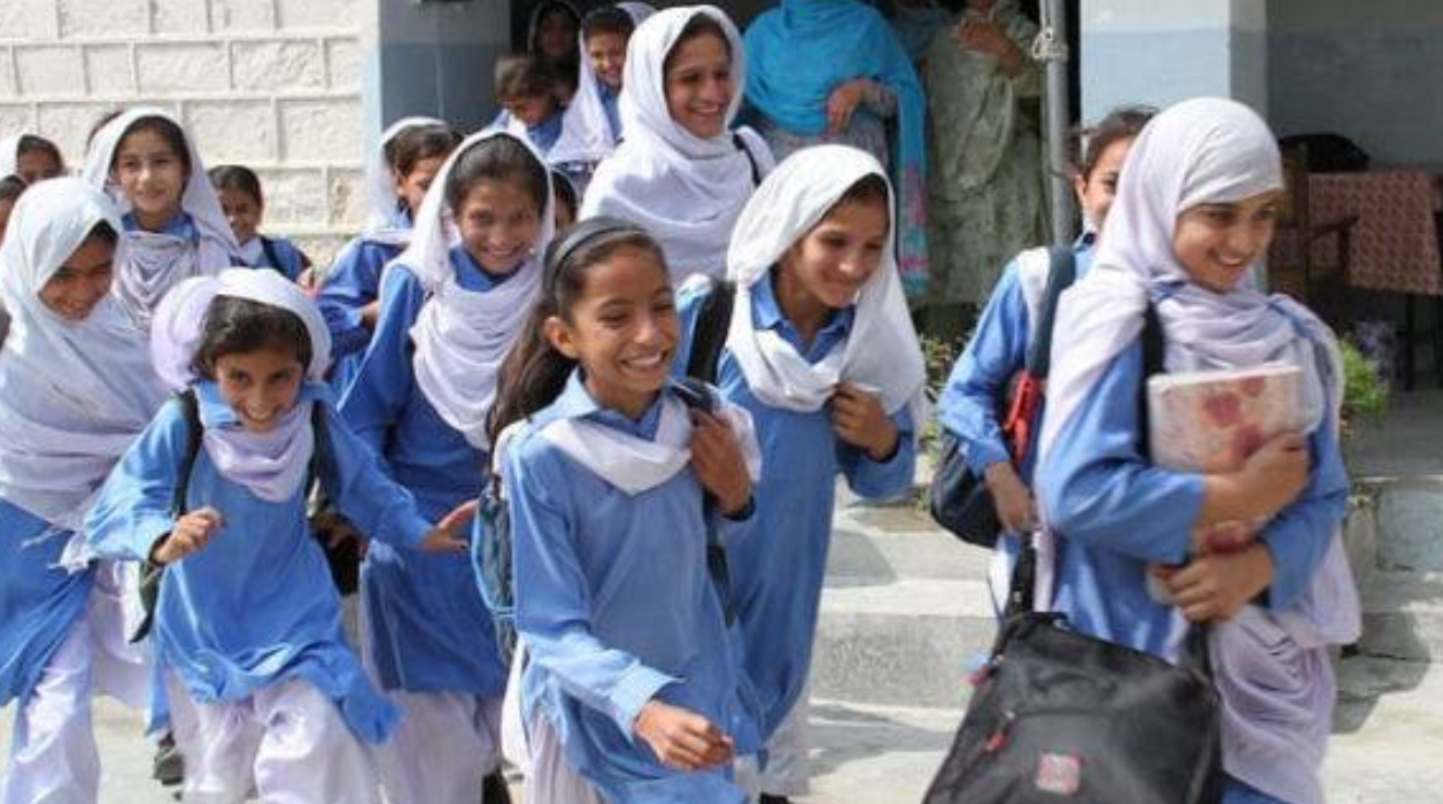
One of the most significant proposals involves extending school holidays until April 15. Currently, educational institutions remain closed until March 31.
Officials also suggested introducing a hybrid learning system. Under this model, students would split time between online and physical classes.
This approach could reduce transport usage and lower electricity demand in school facilities. Moreover, fewer daily commutes would help conserve petrol and diesel supplies.
Education authorities believe hybrid learning may offer flexibility while supporting energy conservation goals.
Fuel Rationing and Controlled Distribution Under Consideration
Energy planners have recommended a structured fuel rationing mechanism. A coupon-based or digital distribution system could ensure fair access to petrol and diesel.
Additionally, vehicles may receive fuel on designated days. Such measures aim to prevent panic buying and maintain steady supply levels.
Officials hope controlled distribution will slow consumption without causing severe disruption to essential services.
Work-From-Home Policy and Event Restrictions Suggested
The pro]posed strategy also targets workplace energy usage. Private organizations may receive directives encouraging employees to work from home wherever possible.
Remote work could significantly reduce commuting traffic and fuel demand. Furthermore, authorities are considering banning non-essential events to limit electricity consumption.
Large gatherings often require extensive lighting and transportation resources. Therefore, restricting them could support broader conservation efforts.
Public Transport Expansion and Energy-Saving Steps
Officials have also recommended expanding metro and public bus services. Improved public transport could provide reliable alternatives to private vehicles.
Alongside transport reforms, energy-saving measures focus on reducing unnecessary electricity use. Authorities may shut down LED billboards and decorative lighting across cities.
Streetlights could operate on alternate modes after 10pm to conserve power. These small adjustments collectively aim to lower overall energy demand.
Market Timings May Face New Restrictions
Authorities are also examining reduced operating hours for markets and commercial centers. Shorter business hours could decrease electricity usage during peak periods.
Although no final decision has been announced, officials continue assessing economic and social impacts before implementation.
A Preventive Strategy Amid Uncertainty
The proposed measures reflect a precautionary approach rather than an emergency declaration. Policymakers want to manage resources carefully while maintaining essential services.
If approved, these steps could temporarily reshape education, business operations, and daily routines across Punjab. However, final decisions will depend on evolving fuel supply conditions.
For now, authorities remain focused on balancing economic activity with energy conservation to prevent a deeper crisis.

