

Opposition Says Budget Ignores Common Citizens
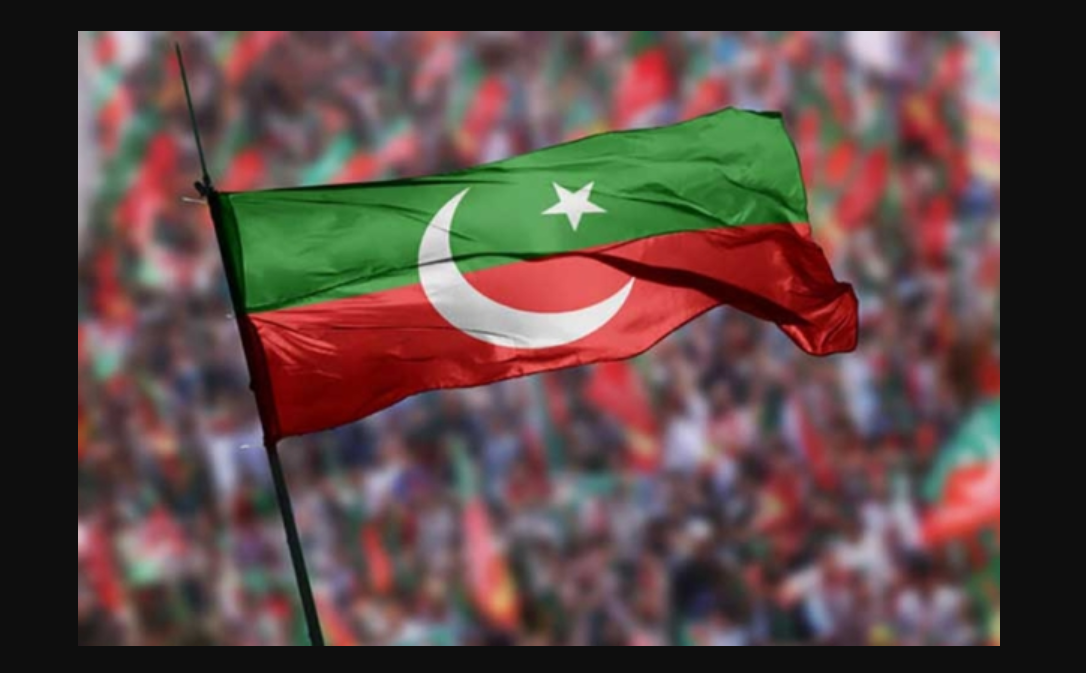
Pakistan Tehreek-e-Insaf has rejected the federal budget for fiscal year 2026-27, calling it an exercise in elite protection rather than public relief.
The federal government presented an Rs18.8 trillion budget in the National Assembly on Friday.
PTI Secretary Information Sheikh Waqas Akram criticised the budget and said it failed to address the real economic problems faced by ordinary citizens, salaried workers, small businesses and low-income families.
He said the government was presenting 3.7 percent growth as a major success, while the economy had performed better during PTI’s previous tenure despite the global pandemic.
Akram argued that the current growth model depends heavily on remittances, foreign borrowing and external factors. He said these do not provide meaningful relief to people working inside the domestic economy.
According to PTI, poverty has worsened and millions of citizens are now facing greater pressure from inflation, weak income growth and rising household costs.
The party said the budget offers limited support for citizens who are already struggling to meet basic needs.
PTI Criticises Taxes, Audits and Business Pressure
PTI also criticised the government’s tax strategy.
Akram said the government had already imposed several taxes in recent budgets, removed reduced rates, withdrawn exemptions and abolished many relief measures.
He said the latest budget adds more pressure on small businesses and traders through fixed taxes, expanded withholding tax and stricter digital invoicing requirements.
The PTI leader also objected to the move toward faceless audits and large-scale enforcement from Islamabad.
He said this approach risks targeting already compliant taxpayers instead of bringing new people into the tax net.
According to him, higher penalties for late filing and non-compliance will create fear among businesses rather than improve tax culture.
PTI said the budget does not offer any meaningful plan for small businesses, workers or the common citizen.
The party also argued that relief appears focused on higher income groups and selected business interests.
Debt, Privatisation and Protests Dominate Budget Response
PTI raised concern over the rising burden of debt servicing.
Akram said debt servicing now accounts for Rs8,054 billion out of total expenditure of Rs18,771 billion. He said this leaves limited space for development and public welfare.
The party also criticised the government’s focus on privatisation, including Pakistan International Airlines and power distribution companies.
PTI said the sale of public assets should not benefit connected interests at the cost of citizens and employees.
Akram also questioned external financing plans such as Panda Bonds and Eurobonds. He said these may deepen long-term dependency and shift financial burdens to future generations.
During the budget session, PTI lawmakers staged a protest inside the National Assembly. They raised placards, chanted slogans and later walked out.
The opposition party said the budget reflects selective economic storytelling and does not offer structural reforms.
PTI concluded that Pakistan needs real tax reform, protection for small businesses, reduced pressure on salaried citizens and responsible economic planning.
The party said the budget fails to deliver these goals and instead protects those already better placed to absorb financial pressure.

