

Banking, energy and cement stocks drive strong buying activity
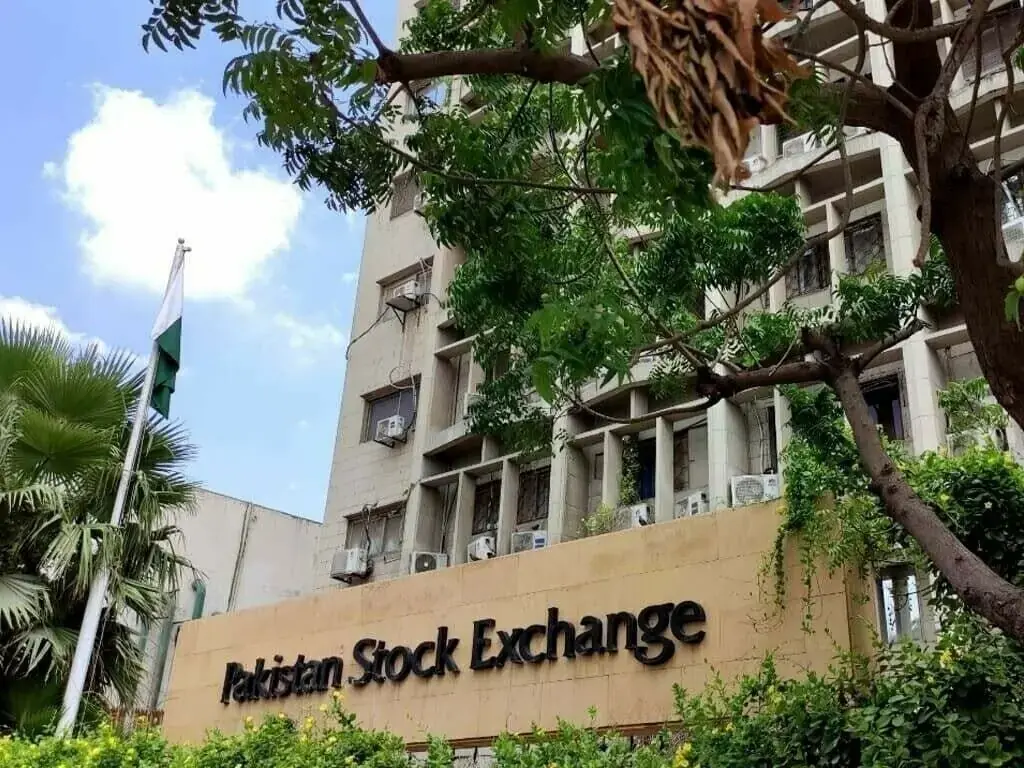
The Pakistan Stock Exchange (PSX) opened Wednesday’s session on a strong note as investors extended the previous day’s buying momentum, pushing the benchmark KSE-100 Index nearly 1,800 points higher during early trading.
By 10:00am, the KSE-100 Index had climbed to 182,053.72 points, gaining 1,752.02 points, or 0.97 percent, from the previous close.
Broad-based buying emerged across major sectors, including automobile assemblers, commercial banks, cement manufacturers, oil and gas exploration companies, oil marketing firms and power generation companies. Heavyweight stocks such as Attock Refinery Limited (ARL), HUBCO, Mari Energies, Oil and Gas Development Company (OGDC), Pakistan Oilfields Limited (POL), Pakistan Petroleum Limited (PPL), MCB Bank, National Bank of Pakistan (NBP) and United Bank Limited (UBL) traded firmly in positive territory.
The latest gains followed a remarkable fiscal year for the PSX. The benchmark index advanced 44 percent during FY2025-26, ending the fiscal year at 180,301 points compared with 125,627 points a year earlier. Analysts attributed the sustained rally to improving macroeconomic indicators, stronger investor confidence and economic reforms implemented under Pakistan’s International Monetary Fund-supported programme.
Global markets remain cautious amid geopolitical and policy concerns
Meanwhile, Asian equity markets began the new quarter cautiously as investors monitored developments in US-Iran negotiations and rising expectations regarding US monetary policy.
Investor sentiment weakened after Tehran indicated it would not hold talks with senior US envoys, signalling continued differences over arrangements related to the Strait of Hormuz. At the same time, US Treasury yields moved higher, prompting markets to reassess the likelihood of additional Federal Reserve interest rate increases.
Attention also shifted to remarks expected from Federal Reserve Chair Kevin Warsh at a European Central Bank conference, where investors sought clues about future monetary policy.
Across Asia, Japan’s Nikkei Index gained one percent after a strong previous quarter, supported by robust technology shares and improving manufacturing data. In contrast, South Korea’s benchmark index declined 1.4 percent following an exceptionally strong rally in the previous quarter, while the broader MSCI Asia-Pacific Index outside Japan remained largely unchanged as investors weighed global economic and geopolitical risks.

