
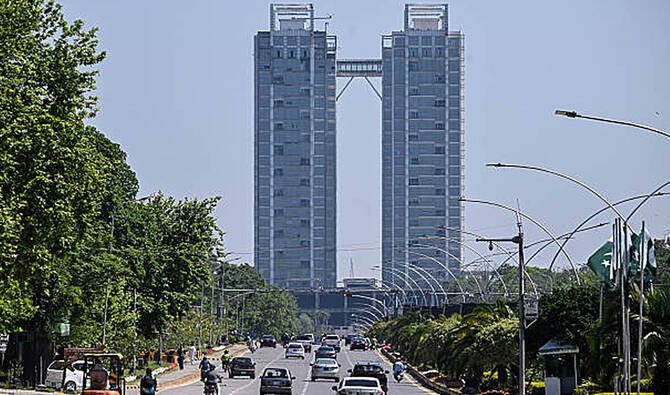

Elite Residence Turns Into Center of Power Struggle
The luxury complex One Constitution Avenue has become the focus of a high-profile confrontation. What appears to be a legal enforcement action has evolved into a major political dispute. The conflict involves two influential figures, Absar Alam and Mohsin Naqvi.
The dispute is not driven by ideology. It centers on control over valuable real estate and influence in the capital. Observers believe both sides are using institutional tools to assert dominance. The situation highlights growing tensions within power structures in Islamabad.
Absar Alam is widely known for his past leadership role in media regulation. He is also seen as politically connected to influential leadership circles. On the other side, Mohsin Naqvi is viewed as a key administrative figure with strong backing. Their rivalry has now moved into the public spotlight.
Night Operation Sparks Fear and Diplomatic Concern
The situation escalated dramatically on May 1, 2026. Security forces carried out a late-night operation at the apartment complex. Personnel from Islamabad police, supported by paramilitary units, entered the premises. Residents were given limited time to vacate their homes.
The operation created panic among occupants. Those affected included diplomats, overseas residents, and members of the elite class. The sudden action raised serious concerns about due process and enforcement methods.
The response from the international community was swift. Several European countries raised formal concerns. The incident also triggered debate about investor confidence in Pakistan. The optics of forced evictions in a high-end location damaged the country’s image.
Critics argue that such actions reflect misuse of authority. They say the enforcement appeared excessive and poorly timed. Supporters, however, claim the move was necessary to implement legal decisions.
Allegations Deepen Divide as Government Intervenes
Absar Alam publicly accused Mohsin Naqvi of orchestrating a targeted operation. He claimed the eviction was not about legal compliance. Instead, he suggested it was a strategic move to clear the property for redevelopment.
Alam linked the actions to past controversial governance tactics. He questioned the transparency and timing of the operation. His statements gained attention on digital platforms and intensified the debate.
In response to the growing crisis, Shehbaz Sharif stepped in. The government announced a temporary halt to the evictions. A committee was formed to review the situation and provide recommendations.
The intervention has paused the immediate conflict. However, underlying tensions remain unresolved. Analysts believe this is only a temporary break in a larger struggle.
The One Constitution Avenue case now reflects broader governance challenges. Institutions such as law enforcement and regulatory bodies are under scrutiny. Questions are being raised about accountability and fairness.
For residents, uncertainty continues. Many remain concerned about their future and property rights. For political observers, the issue represents a deeper contest for control in Islamabad.
The battle may be paused for now. But the larger conflict over authority and influence is far from over.

