


18th Amendment
The Pakistan Muslim League-Nawaz (PML-N) categorically dismissed a recent report alleging the party’s contemplation of altering the 18th Constitutional Amendment in the event of regaining power.
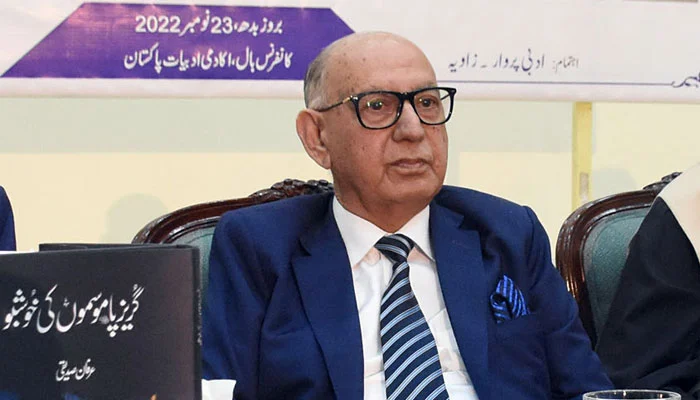
Senator Irfan Siddiqui, the chief of PML-N’s manifesto committee, and Marriyum Aurangzeb, the party’s Information Secretary, both unequivocally rejected the assertions made in the report.
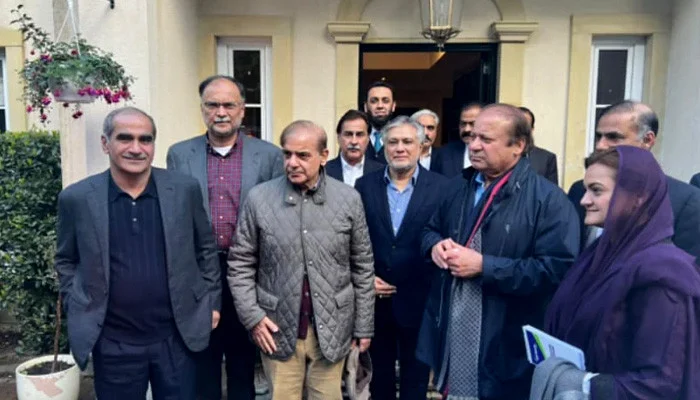
Senator Siddiqui asserted that the party had not received any such recommendations, and discussions pertaining to changes in the 18th Amendment had never taken place during party meetings. Marriyum Aurangzeb reinforced the party’s position by rejecting the report as entirely false.
The report had claimed that the PML-N’s manifesto committee, formed on November 7, was considering various suggestions, including a potential revision of the 18th Amendment to modify the financial distribution mechanism among provinces.
While acknowledging concerns about the existing financial distribution arrangements, the party clarified that an outright reversal of the 18th Amendment was not under consideration. Instead, the PML-N might address key features and reshape the distribution mechanism, an aspect that could find a place in the party’s upcoming manifesto. Anonymous sources within the party expressed reservations about the impact of provincial autonomy on national financial responsibilities.
This amendment, enacted in 2010 during the Pakistan Peoples Party (PPP)-led government, devolved powers to provinces on critical issues such as health, women’s development, social welfare, and local government. It also stipulated that provinces would receive 57.5% of federal resources, with the remaining allocated to the center for debt servicing, development programs, defense, and other areas.
The PML-N’s firm rejection of the report aligns with its historical commitment to the principles embedded in the 18th Amendment, which has been pivotal in defining and promoting provincial autonomy in Pakistan.
