

Every October, businesses across Pakistan launch campaigns to raise awareness about breast cancer and women’s health. However, conversations about breast health often remain uncomfortable in homes, schools, and communities. Many girls grow up without a safe space to ask questions about their bodies. As a result, embarrassment, misinformation, and social stigma can prevent them from seeking reliable health information.
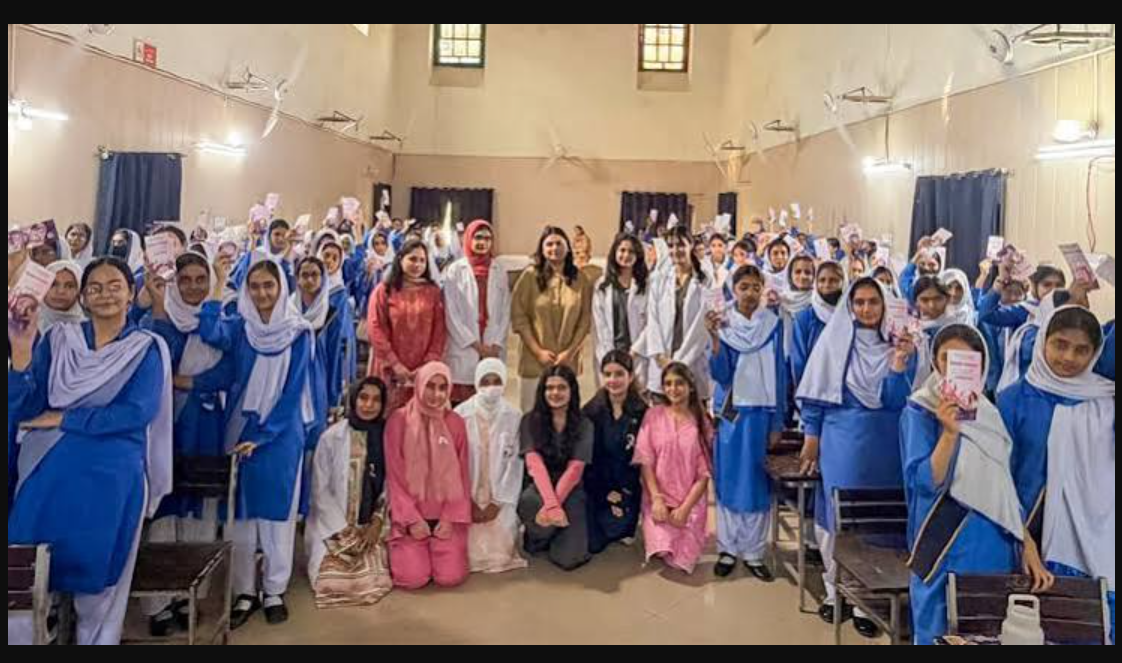
This Pink October, Wateen decided to take its awareness efforts beyond the workplace and into classrooms across Lahore. Instead of limiting discussions to employees, the company partnered with community and healthcare organisations to reach school-going girls. The initiative aimed to make breast health conversations more accessible, comfortable, and informative.
Wateen Takes Pink October Awareness Into Lahore Schools
Wateen has previously organised breast health awareness sessions for women within its organisation. This year, however, the company expanded its efforts to reach girls in educational institutions and community settings.
The initiative addressed a persistent challenge: discussing breast health in environments where cultural expectations and social stigma often discourage open conversations. Therefore, Wateen brought together community outreach support and medical expertise to create a more welcoming learning environment.
The approach recognised that awareness campaigns need more than presentations and information materials. They also require trust, sensitivity, and opportunities for participants to ask questions without feeling judged.
Kaavish Foundation and Shalamar Hospital Support the Initiative
Wateen worked with Kaavish Foundation as its outreach partner to connect with local communities and schools. Meanwhile, Shalamar Hospital served as the knowledge partner, providing access to breast health specialists, including doctors and surgeons.
The collaboration combined community engagement with medical guidance. Consequently, the sessions could address students’ concerns while sharing information grounded in healthcare expertise.
The initiative reached approximately 500 school-going girls across three institutions in Lahore:
- Government Girls High School, Wafaqi Colony
- Government Girls Kinnaird High School
- Begum Inayat Welfare Home
Through these sessions, the partners aimed to make breast health education more accessible to young girls who might otherwise struggle to find reliable information.
Creating a Safe Space for Questions and Learning
Reaching 500 students represents an important measure of the initiative’s scale. However, the value of awareness sessions also lies in the conversations they encourage and the confidence they help build.
For many young girls, discussing breast health can feel embarrassing because they rarely encounter the subject in everyday conversations. Moreover, misinformation and social expectations can make it difficult to distinguish reliable medical guidance from common myths.
Wateen’s initiative sought to address these barriers by encouraging students to listen, ask questions, and reconsider misconceptions. Rather than treating breast health as a subject that should remain hidden, the sessions presented it as a normal and necessary part of health education.
The goal was not to turn students into medical experts or suggest that one session could eliminate deeply rooted stigma. Instead, the initiative aimed to help girls feel more comfortable seeking trustworthy information and discussing health concerns when needed.
Why Breast Health Awareness Must Continue Beyond October
Awareness campaigns can attract attention, but lasting change requires continued conversations and support. For generations, many women have faced social pressure to remain silent about personal health concerns. Consequently, some may hesitate to approach family members, teachers, or healthcare professionals when they need guidance.
Initiatives such as Wateen’s can help challenge this silence by introducing health discussions in familiar settings. When schools provide opportunities to learn and ask questions, students can become better equipped to recognise the importance of reliable health information.
However, meaningful progress requires sustained efforts rather than isolated annual campaigns. Families, educators, healthcare professionals, and organisations all have a role in creating environments where girls can discuss health concerns without fear or embarrassment.
Wateen hopes the knowledge shared during these sessions will extend beyond classrooms into homes and wider communities. Over time, these conversations could help make women’s health a more openly discussed subject.
Wateen Highlights the Importance of Meaningful CSR
Pink ribbons and awareness campaigns can draw public attention to breast health. Nevertheless, their impact depends on what organisations do beyond symbolic gestures.
By taking its Pink October initiative into Lahore’s classrooms, Wateen extended its awareness efforts beyond its own workforce. The collaboration with Kaavish Foundation and Shalamar Hospital also brought community outreach and medical expertise together.
The initiative reflects a broader approach to corporate social responsibility: supporting conversations that communities may otherwise find difficult to begin. Ultimately, meaningful awareness involves more than participating in a campaign. It means helping people access reliable information, ask questions, and approach important health issues with greater confidence.
Through its Pink October activities, Wateen aims to contribute to a more open and informed approach to women’s health, one conversation at a time.
For the latest updates, visit and follow The Truth International website (www.thetruthinternational.com) and subscribe to the YouTube Channel.

