
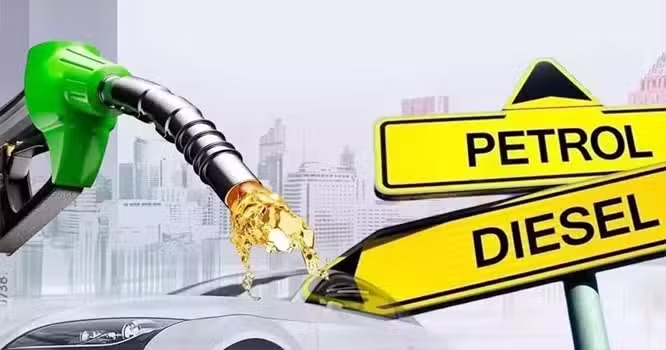

The government has announced another reduction in petrol prices, offering motorists slight relief ahead of the weekend. Petrol will become cheaper by Rs2 per litre, while high-speed diesel (HSD) prices will remain unchanged.
The latest revision marks the ninth consecutive reduction in petrol prices. According to the Oil and Gas Regulatory Authority (OGRA), the revised rates will apply from November 14 (Saturday) until November 16 (Monday).
Following the adjustment, petrol will cost Rs330 per litre. Meanwhile, high-speed diesel will continue selling at Rs360 per litre.
New Petrol and Diesel Prices in Pakistan
The latest petroleum price adjustment brings a modest reduction for petrol consumers. However, diesel users will not receive any relief under the latest revision.
The government continues collecting substantial taxes and duties on petroleum products. Currently, these charges stand at Rs114 per litre on petrol and Rs100 per litre on diesel.
Additionally, the government introduced a temporary arrangement on November 2 to reduce the financial burden on consumers.
Under this 30-day arrangement, oil refineries will contribute towards the petroleum levy. Their combined contribution will carry a financial impact of Rs15 billion.
According to the government, this arrangement allows a Rs14.71 reduction in petrol prices for consumers.
Prime Minister’s Fuel Relief Scheme Continues
On September 17, the government introduced the Prime Minister’s Fuel Relief Scheme nationwide. The initiative aimed to reduce the public’s financial burden amid rising fuel prices linked to the Middle East situation.
The subsidy programme covers motorcycles, rickshaws and vehicles with engine capacities of up to 800cc.
Through this targeted assistance, the government aims to support people who depend on smaller vehicles for daily transportation.
How Far Have Petrol and Diesel Prices Fallen?
Pakistan’s petroleum prices experienced significant increases following the outbreak of the US-Iran war on February 28.
High-speed diesel started climbing from Rs281 per litre after the conflict began. Its price eventually reached a peak of Rs520.35 on April 3.
Petrol followed a similar upward trend during the same period. Its price increased from Rs266 in the first week of March to Rs458.41 on April 3.
Since those record levels, the government has gradually reduced petroleum prices. The latest Rs2 petrol reduction continues this downward trend, although diesel prices remain unchanged.
Government Introduces Austerity Measures Amid Fuel Concerns
Meanwhile, the government has reinstated several austerity measures to manage the financial pressure associated with rising fuel prices.
Under the latest restrictions, markets must close by 9pm. Furthermore, authorities have reduced fuel allocations for official vehicles by 50 per cent for three months.
The government has also changed its approach to petroleum price adjustments amid continuing international market fluctuations.
Since July 17, authorities have revised fuel prices on a near-daily basis. These adjustments reflect changing international oil prices following renewed hostilities between Iran and the United States.
The petroleum minister previously stated that the cabinet and prime minister had authorised OGRA to determine fuel prices daily. The authority would base its decisions on international market trends.
Before this arrangement, the government announced weekly petroleum price revisions from early March. Officials also introduced fuel conservation measures amid concerns about potential disruptions to oil supplies.
In April, the federal government introduced targeted relief measures to provide subsidised fuel to eligible consumers.
Why Petrol and Diesel Prices Matter to Pakistanis
Changes in petrol prices directly affect household transportation expenses. Private vehicles, motorcycles, small cars and rickshaws rely heavily on petrol.
Consequently, even small price adjustments influence the daily budgets of middle-income and lower-middle-income households.
Diesel prices also have wider economic consequences because heavy transport vehicles depend on this fuel. Additionally, power plants and large generators use high-speed diesel.
Therefore, changes in diesel prices can affect transportation costs, electricity generation expenses and the prices of goods.
Petrol and high-speed diesel remain Pakistan’s major petroleum revenue generators. Their combined monthly sales reach approximately 700,000 to 800,000 tonnes.
In comparison, kerosene consumption remains significantly lower, with monthly demand standing at approximately 10,000 tonnes.
The latest petrol reduction provides limited relief to motorists, while unchanged diesel prices maintain pressure on transport and other fuel-dependent sectors.
For the latest updates, visit and follow The Truth International website (www.thetruthinternational.com) and subscribe to the YouTube Channel.

