
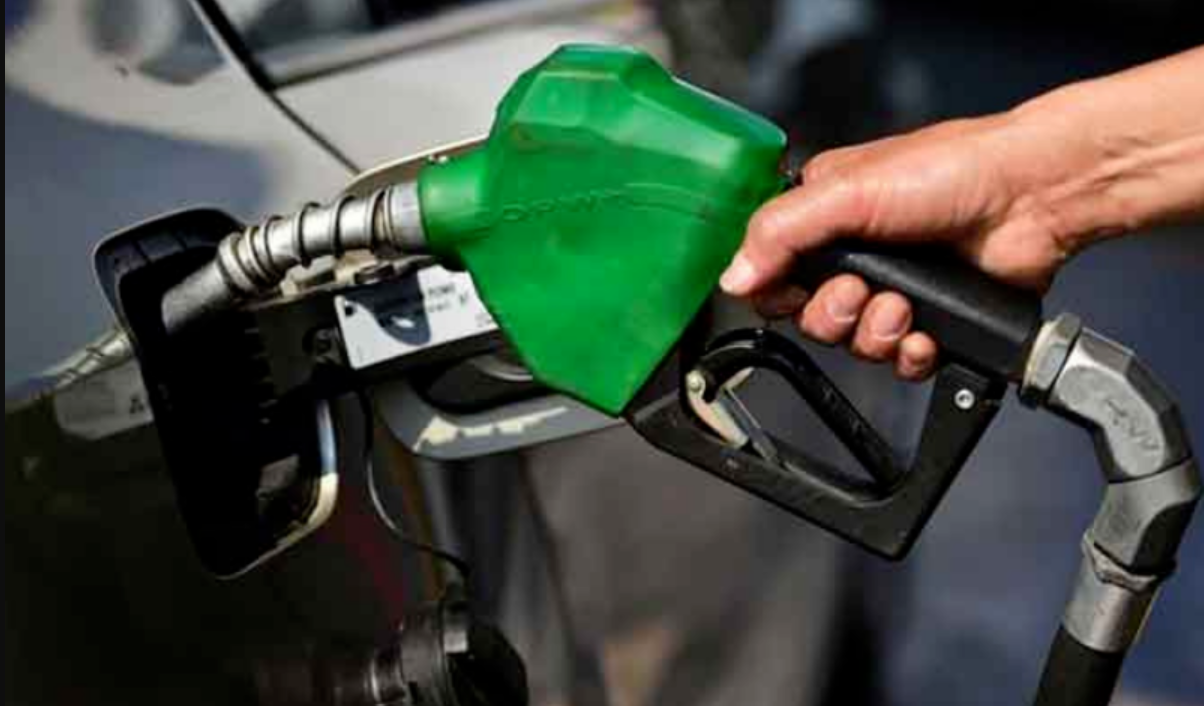

The federal government has reduced customs duty on petrol by Rs5.71 per litre, bringing the rate down from Rs26.27 to Rs20.56. The revised rates took effect on October 28, 2026, under the latest petroleum pricing adjustment.
According to the Oil and Gas Regulatory Authority (OGRA), the customs duty reduction helped lower petrol’s ex-depot price despite an increase in its international benchmark cost. However, high-speed diesel became more expensive under the same adjustment, creating a mixed impact for fuel consumers.
Petrol Price Falls by Rs3.19 Per Litre
The latest pricing calculation reduced petrol’s ex-depot price by Rs3.19 per litre. Consequently, the rate fell from Rs379.25 to Rs376.06 per litre.
Meanwhile, petrol’s cost at Karachi port increased from Rs241.40 to Rs244.73 per litre. This rise reflects higher costs in the international market.
However, the reduction in customs duty helped offset the increase in petrol’s import cost. The exchange rate adjustment also declined from Rs0.82 per litre to zero, contributing to the revised calculation.
What Taxes and Levies Apply to Petrol?
OGRA’s latest pricing document lists several charges included in petrol’s revised price.
- Customs duty: Reduced from Rs26.27 to Rs20.56 per litre.
- Petroleum levy: Remains at Rs80 per litre.
- Climate support levy: Remains at Rs5 per litre.
- Sales tax: Remains zero-rated.
Together, these adjustments helped bring down petrol’s ex-depot price despite the increase in its Karachi port cost.
Diesel Price Rises Despite Petrol Relief
While petrol consumers received some relief, high-speed diesel (HSD) became more expensive under the revised pricing formula.
Diesel’s ex-depot price increased by Rs2.25 per litre, rising from Rs395.82 to Rs398.07. Therefore, the latest adjustment has different consequences for petrol and diesel users.
The diesel price calculation retains a petroleum levy of Rs80 per litre and a climate support levy of Rs5 per litre. Meanwhile, sales tax remains zero.
How Could the Fuel Price Adjustment Affect Consumers?
The latest changes reflect movements in international petroleum benchmarks, import costs and other components of Pakistan’s domestic fuel pricing formula.
The reduction in petrol’s customs duty has helped lower its ex-depot price, offering some relief to motorists. However, the increase in diesel prices could raise operating expenses for transport and freight businesses.
As diesel powers many commercial vehicles and goods transport operations, higher rates could put additional pressure on businesses. Consequently, some consumers may also face indirect effects if transport costs increase.
The revised petrol and diesel prices took effect on October 28, 2026, in accordance with OGRA’s latest notification.
For the latest updates, visit and follow The Truth International website (www.thetruthinternational.com) and subscribe to the YouTube Channel.

