

Australia’s electric vehicle market is gaining momentum, and petrol-powered cars are losing ground. Battery electric vehicles (BEVs) outsold petrol-only vehicles for the third consecutive month in October 2026. However, diesel vehicles remained Australia’s largest-selling fuel category during the month.
BEVs recorded 24,845 sales, compared with 23,605 petrol vehicles. This created a 1,240-unit gap in favour of electric cars. Meanwhile, Tesla, BYD, Geely and Zeekr continued to strengthen their positions through strong sales.
Overall, BEV sales increased 237.5 per cent compared with October 2025. Although monthly sales declined from September, electric vehicles maintained their strong annual growth.
Australia’s October 2026 Car Sales by Fuel Type
Diesel vehicles led Australia’s October market with 25,649 sales, representing 24.6 per cent of total light vehicle sales. BEVs followed with 24,845 units, while petrol vehicles recorded 23,605 sales.
Therefore, electric vehicles maintained their second-place position, ahead of petrol-powered models. However, diesel remained 804 units ahead of BEVs.
Petrol sales dropped 35.9 per cent compared with October 2025. Diesel sales also declined by 14.7 per cent over the same period. In contrast, BEV sales more than tripled from 7,361 units recorded a year earlier.
The following figures highlight Australia’s changing vehicle market:
| Fuel type | October 2026 sales | Market share | Change vs October 2025 |
|---|---|---|---|
| Diesel | 25,649 | 24.6% | -14.7% |
| Petrol | 23,605 | 22.6% | -35.9% |
| Hybrid | 18,434 | 17.7% | +3.8% |
| Plug-in hybrid (PHEV) | 11,745 | 11.3% | +148.6% |
| Electric (BEV) | 24,845 | 23.8% | +237.5% |
| Total light vehicles | 104,278 | 100% | +7.8% |
| BEV + PHEV | 36,590 | 35.1% | +202.8% |
Source: October 2026 industry sales figures.
Electric and Plug-in Hybrid Vehicles Strengthen Their Position
BEVs accounted for 23.8 per cent of Australia’s light vehicle sales in October. However, their share declined from 25.7 per cent in September.
Meanwhile, plug-in hybrid electric vehicles (PHEVs) recorded a notable increase. Their sales reached 11,745 units, representing a 16.6 per cent monthly rise. Consequently, their market share climbed from 9.5 per cent to 11.3 per cent.
Combined BEV and PHEV sales reached 36,590 vehicles. Together, they accounted for 35.1 per cent of the market, matching September’s share. However, this remained slightly below June’s peak of 35.8 per cent.
Furthermore, conventional hybrids added to the market’s electrification trend. Including these vehicles, electrified models represented 52.8 per cent of all light vehicle sales.
Industry chief executive Tony Weber attributed sustained BEV demand to several factors. These included stronger competition, higher fuel prices and continuing instability in the Middle East. Federal tax concessions also supported electric vehicle purchases throughout 2026.
He also highlighted the importance of expanding charging infrastructure. According to him, infrastructure development must keep pace with growing consumer demand.
Tesla Model Y Leads Australia’s Best-Selling Electric Cars
Tesla maintained a strong presence in Australia’s electric vehicle market during October. The Model Y secured first place among BEV models, recording 3,105 sales.
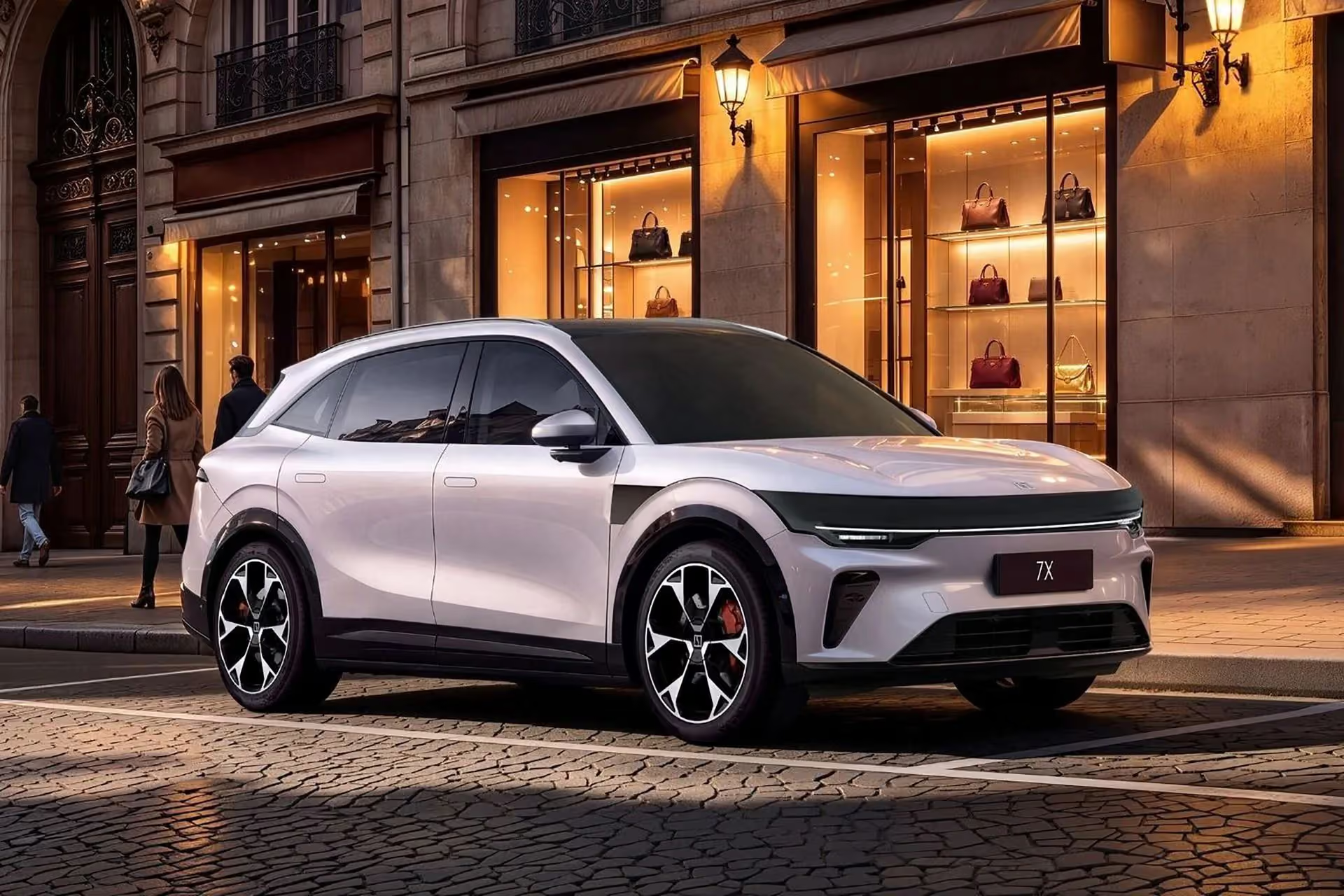
The BYD Sealion 7 followed with 2,524 units, while the Geely EX5 secured third place with 1,789 sales. The Jaecoo J5 and Zeekr 7X completed the top five.
Notably, the Geely EX2 recorded 1,350 sales, rising from 1,211 in September. This marked its strongest monthly performance since launch. Similarly, the MG4 Urban increased its sales from 735 to 894 units.
Moreover, 13 electric vehicle models recorded at least 500 sales during October. This suggests that demand is expanding beyond Australia’s most popular electric SUVs.
Top 10 Best-Selling BEV Models in October 2026
| Rank | Model | October sales | September sales |
|---|---|---|---|
| 1 | Tesla Model Y | 3,105 | 4,476 |
| 2 | BYD Sealion 7 | 2,524 | 2,687 |
| 3 | Geely EX5 | 1,789 | 2,008 |
| 4 | Jaecoo J5 | 1,714 | 1,754 |
| 5 | Zeekr 7X | 1,441 | 1,628 |
| 6 | Geely EX2 | 1,350 | 1,211 |
| 7 | Tesla Model 3 | 945 | 1,178 |
| 8 | MG4 Urban | 894 | 735 |
| 9 | BYD Atto 2 (BEV only) | 747 | 936 |
| 10 | BYD Atto 3 | 709 | 460 |
Despite leading the electric vehicle rankings, the Tesla Model Y experienced a monthly sales decline. Its October deliveries fell 30.6 per cent from September’s 4,476 units.
Nevertheless, its 3,105 deliveries placed it fourth in Australia’s overall vehicle model rankings. Only the Toyota HiLux, Toyota RAV4 and Ford Ranger recorded higher sales. Their respective October figures reached 5,228, 4,718 and 4,556 units.
There is also an important distinction in the BYD Atto 2 figures. The overall VFACTS rankings recorded 1,943 sales for the model. However, this figure includes the Atto 2 DM-i plug-in hybrid. Its battery-electric version accounted for 747 sales.
BYD Takes the Lead as Tesla and Geely Follow
While Tesla dominated the individual model rankings, BYD emerged as Australia’s leading BEV brand in October. The company recorded 5,271 battery-electric vehicle sales, securing a 21.2 per cent share of the BEV market.
Tesla followed with 4,050 deliveries, representing 16.3 per cent of BEV sales. Geely secured third place with 3,139 units, while Zeekr recorded 1,874 sales.
Jaecoo, MG and Kia completed the top seven brands. Their respective BEV sales reached 1,714, 1,473 and 1,122 units.
The following figures show how the leading manufacturers performed:
Top 10 Electric Vehicle Brands in October 2026
| Rank | Brand | BEV sales | Market share |
|---|---|---|---|
| 1 | BYD | 5,271 | 21.2% |
| 2 | Tesla | 4,050 | 16.3% |
| 3 | Geely | 3,139 | 12.6% |
| 4 | Zeekr | 1,874 | 7.5% |
| 5 | Jaecoo | 1,714 | 6.9% |
| 6 | MG | 1,473 | 5.9% |
| 7 | Kia | 1,122 | 4.5% |
| 8 | XPeng | 620 | 2.5% |
| 9 | GAC | 579 | 2.3% |
| 10 | GWM | 520 | 2.1% |
BYD’s performance extended beyond its battery-electric range. The company recorded 10,025 combined sales across its BEV and plug-in hybrid models. This placed it second behind Toyota, which recorded 20,649 vehicles.
Furthermore, BYD’s October total was more than two and a half times its 3,959 sales in October 2025. Its year-to-date sales reached 86,639 vehicles, putting it ahead of Ford’s 68,414. Toyota remained comfortably ahead with 173,593 sales.
However, BYD’s overall figures include plug-in hybrid vehicles. The Shark 6 plug-in hybrid ute alone contributed 1,843 sales during October.
Geely and Zeekr Record Significant Sales Growth
Geely also delivered a strong performance, recording 4,365 vehicles across its entire range in October. This represented a 520 per cent increase compared with October 2025.
Its battery-electric sales came from the EX5 and EX2 models, which together contributed 3,139 units. Meanwhile, the Starray EM-i plug-in hybrid added another 1,226 vehicles.
Zeekr also experienced substantial annual growth. The manufacturer recorded 1,874 BEV sales in October, compared with just 216 during the same month last year.
These results highlight the growing competition among electric vehicle manufacturers in Australia. In particular, Chinese brands are strengthening their presence through expanding model ranges and increasing sales.
Tesla Records a 342% Annual Sales Jump
Tesla delivered 4,050 vehicles in Australia during October, representing a 342 per cent increase from 916 deliveries in October 2025.
The Model Y contributed 3,105 units, while the Model 3 accounted for the remaining 945 vehicles. However, Tesla’s monthly deliveries declined 28.4 per cent compared with September’s 5,654 units.
Despite this monthly decline, Tesla maintained strong annual growth. Its year-to-date deliveries reached 45,755 vehicles, marking a 94.1 per cent increase over the corresponding period in 2025.
June remained Tesla’s strongest month, with 8,670 deliveries. Meanwhile, the company continued offering incentives to attract Australian buyers.
Tesla introduced a 5 per cent discount on new Model 3 and Model Y stock, offering savings of up to $3,750. Additionally, it launched a $45,900 Model 3 RWD in October.
Australia’s Electric Vehicle Market Continues to Change
October’s sales figures reveal a significant shift in Australia’s automotive market. BEVs maintained their advantage over petrol-only vehicles for a third consecutive month, while plug-in hybrids also recorded substantial annual growth.
However, diesel vehicles retained their position as the largest fuel category. Meanwhile, BYD led the BEV brand rankings, and Tesla’s Model Y remained the country’s bestselling electric model.
Geely and Zeekr also strengthened their positions through impressive annual sales growth. Furthermore, the increasing number of models achieving substantial monthly sales suggests that competition is expanding across the market.
The latest figures indicate that electric vehicles are becoming an increasingly important part of Australia’s automotive landscape. Nevertheless, continued growth will depend partly on competitive pricing, consumer demand and charging infrastructure keeping pace with adoption.
For the latest updates, visit and follow The Truth International website (www.thetruthinternational.com) and subscribe to the YouTube Channel.

