
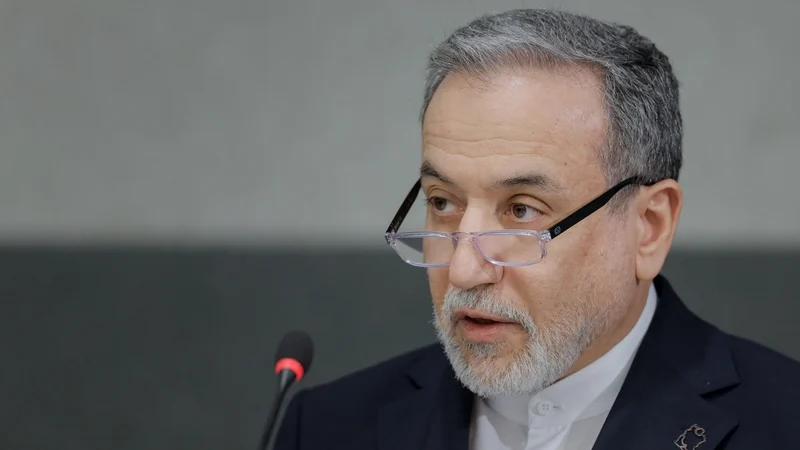

A major diplomatic development unfolded as Iran’s Foreign Minister Abbas Araghchi concluded his visit to Islamabad. The high-level trip focused on ongoing regional tensions and efforts to end the current conflict.
Araghchi reportedly presented Iran’s demands aimed at stopping the war. His visit came at a critical time. The region remains unstable. Ceasefire efforts are fragile. Global attention is focused on possible negotiations.
After completing key meetings, Araghchi departed Islamabad. His visit has raised new questions about the future of peace talks and diplomatic alignment in the region.
Iran’s Demands Signal Urgency for Conflict Resolution
During his stay, Abbas Araghchi held discussions with senior officials. The talks centered on ending hostilities and reducing tensions.
Iran’s demands were described as firm but strategic. Officials believe Tehran is pushing for conditions that protect its interests while opening space for dialogue.
The visit highlighted Iran’s urgency. Ongoing conflict has increased pressure on the country. Economic challenges and security risks continue to grow.
Araghchi’s message was clear. Iran wants a resolution. However, it expects its concerns to be addressed before any agreement is finalized.
Diplomatic observers say this move could shape the next phase of negotiations. It may also influence how other countries respond to the crisis.
Uncertainty Surrounds US Role in Islamabad Talks
At the same time, questions remain about the role of the United States. Reports suggest that a US delegation may visit Islamabad. However, the purpose of that visit is still unclear.
There is speculation about possible concessions. Analysts believe backchannel diplomacy may be underway. No official confirmation has been provided.
The uncertainty adds complexity to the situation. It also reflects the sensitive nature of ongoing negotiations.
Observers say any US involvement could shift the balance. It may either accelerate talks or create new challenges.
Diplomatic channels remain active. However, clear outcomes are yet to emerge.
Rising Regional Tensions Add Pressure on Peace Efforts
The broader regional situation remains tense. Reports indicate rising casualties in Lebanon due to continued attacks. Violence has not fully stopped despite ceasefire announcements.
The situation highlights the fragile nature of peace efforts. Ceasefires appear temporary. Trust between parties remains low.
Experts warn that partial ceasefires may not be enough. A comprehensive agreement is needed to ensure long-term stability.
Araghchi’s visit to Islamabad is part of a wider diplomatic effort. It reflects increasing international concern over the conflict.
The coming days will be crucial. Decisions made now could shape the future of the region.
For now, Iran’s demands have been delivered. The response from global stakeholders will determine the next steps.

