
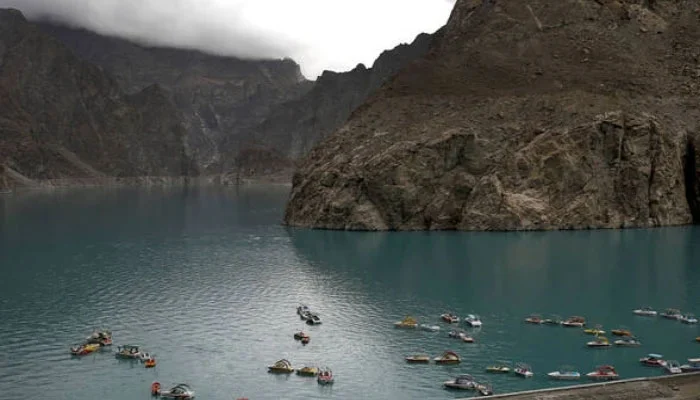

The Provincial Disaster Management Authority (PDMA) has issued a Glacial Lake Outburst Flood (GLOF) alert for northern Pakistan after rising temperatures and intermittent rainfall increased the risk of glacier-related flooding. The authority urged residents and tourists to remain cautious, especially in vulnerable mountainous areas.
According to the PDMA, warmer weather combined with periodic rain could speed up glacier melting. As a result, water levels in glacial lakes may rise rapidly, increasing the possibility of sudden flood events.
The advisory comes during the peak summer tourism season, when thousands of visitors, including many from Punjab and Lahore, travel to northern Pakistan for vacations.
Northern Districts Placed on High Alert
The PDMA warned that a sudden glacial lake outburst could cause flash floods and rapidly rising water levels. Consequently, such incidents could threaten lives, damage property, and disrupt critical infrastructure.
Authorities have placed district administrations in Upper Chitral, Lower Chitral, Upper Dir, Swat, Upper Kohistan, and Mansehra on high alert.
Moreover, officials have directed local administrations to monitor vulnerable areas continuously. They must also issue timely public warnings, conduct evacuation drills, and prepare designated shelters for emergency situations.
Tourists Urged to Follow Safety Precautions
The PDMA advised tourists and travelers to avoid unnecessary visits to high-risk areas. In addition, it urged people to avoid camping and trekking near glaciers, rivers, and other vulnerable locations.
The authority also warned motorists not to drive through fast-flowing streams or floodwaters. Even shallow floodwaters can carry away vehicles because of strong currents.
Officials encouraged travelers to stay informed about weather conditions before planning trips to northern regions. Furthermore, they advised visitors to follow instructions issued by local authorities throughout their journey.
What Is a Glacial Lake Outburst Flood?
A Glacial Lake Outburst Flood (GLOF) occurs when a natural dam of ice or loose rock holding a glacial lake suddenly collapses. The collapse releases a massive volume of water downstream within a short period.
Rising temperatures, heavy rainfall, or seismic activity often trigger these events. Therefore, authorities continue to monitor glacier conditions closely to reduce risks and protect communities living near vulnerable areas.

