

Vessels face 10-day queues as Middle East conflict redirects traffic and falling water levels force tighter canal restrictions
PANAMA CITY: Commercial shipping costs through the Panama Canal have surged as the Iran war redirects vessels from Middle Eastern waterways while an intensifying El Niño weather system reduces water levels along the crucial trade route.
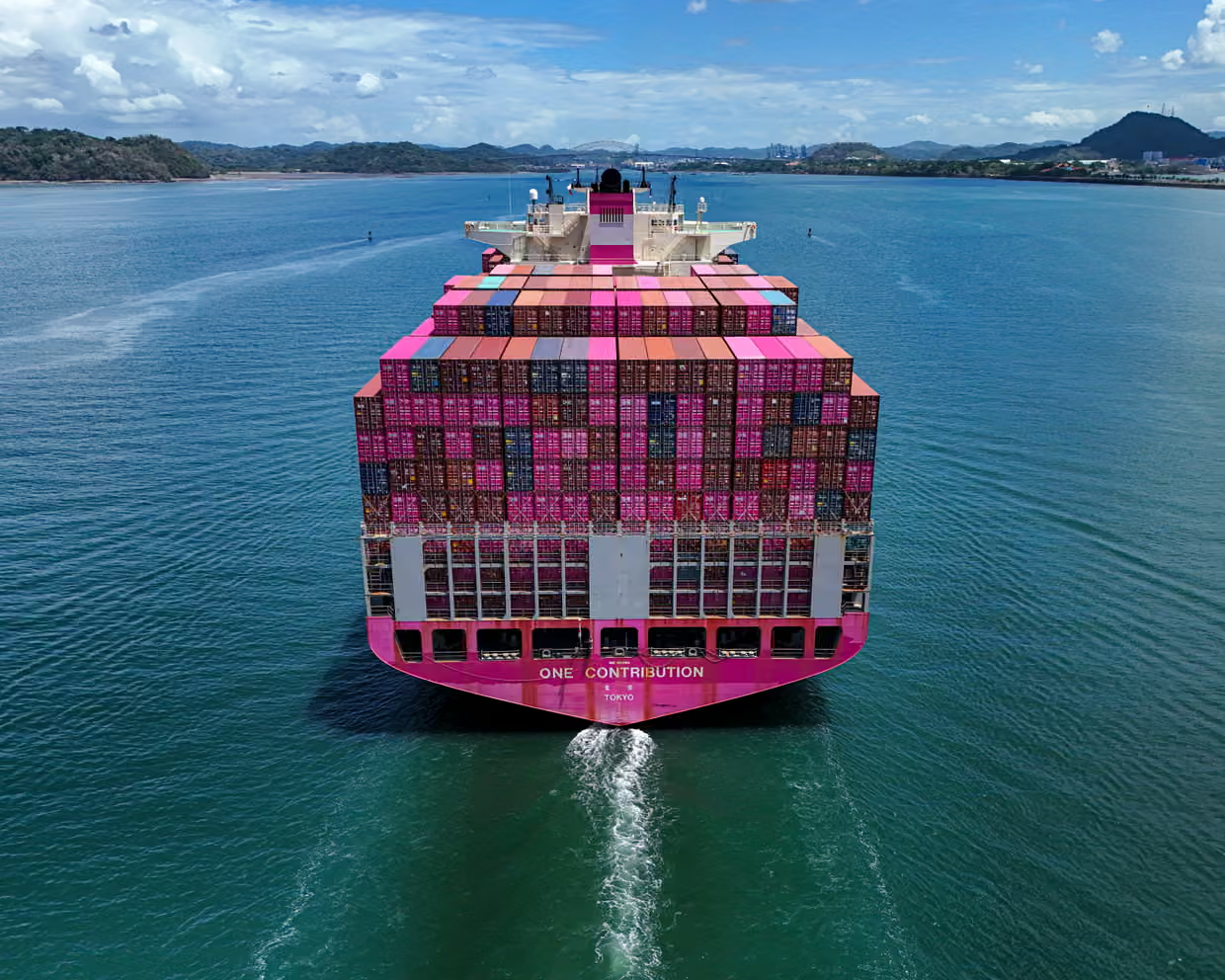
A container ship reportedly paid about $4 million to secure priority passage through the canal, highlighting growing pressure on global supply chains. Ships currently face waits of around 10 days, marking the largest backlog since May, according to Argus Media.
The canal connects the Pacific and Atlantic oceans and provides an important shortcut for companies transporting goods and energy between Asia and the United States.
Shipowners Pay Millions to Avoid Growing Queues
The Panama Canal Authority normally charges vessels to reserve transit slots. However, it also holds daily auctions allowing shipping companies to bypass queues.
Bidding can start at roughly $15,000 for smaller vessels and $55,000 for larger ships before climbing sharply during congestion.
The Seaspan Benefactor, a 10,100-TEU container vessel, reportedly paid approximately $4 million for priority passage, more than twice the average auction price during the preceding week.
Meanwhile, escalating Middle East fighting has encouraged shipping companies to avoid the Gulf and Red Sea amid disruptions around the Strait of Hormuz and Bab al-Mandab.
El Niño Forces Tighter Canal Restrictions
At the same time, declining water levels linked to El Niño have created additional pressure on Panama Canal operations.
The authority has announced restrictions on vessel draft for late August and early September. It previously reduced the maximum authorised draft for ships using the larger Neopanamax locks, forcing some vessels to carry lighter loads.
Officials based the measures on declining levels and forecasts for Gatun Lake, the reservoir supplying water to canal operations.
Consequently, shipowners increasingly fear authorities could limit daily vessel transits if drought conditions worsen, potentially repeating the severe congestion experienced during Panama’s 2023 drought.

