
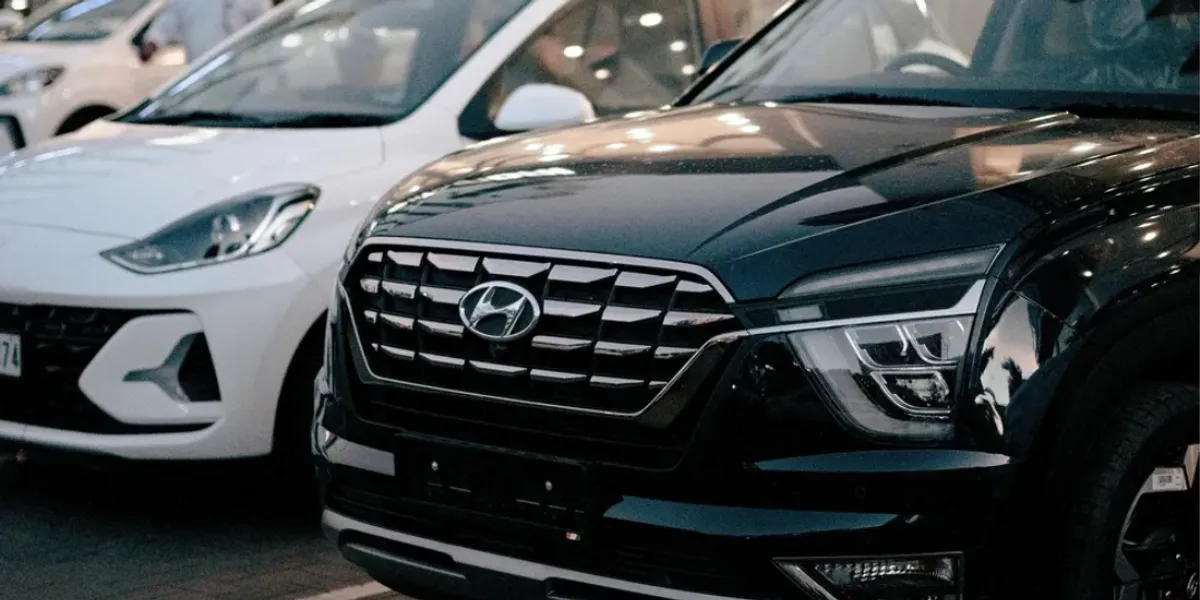

Pakistan’s carmakers have raised concerns over the new auto policy. They say the government has announced major changes but has not shared the official policy document.
The Pakistan Automotive Manufacturers Association (PAMA) has asked the Ministry of Industries and Production to provide the complete policy. Car manufacturers need the document to understand the new rules and prepare for changes.
The request comes after the government announced plans to reduce car prices, improve vehicle standards, and increase exports.
Carmakers Seek Clarity on New Auto Policy
PAMA Director General Razi-ur-Rahman sent a formal letter to the ministry’s secretary. He welcomed the government’s decision to introduce the new policy.
However, he stressed that manufacturers need an official copy to review the details.
The association wants to understand how the new rules will affect production, investment, and business operations.
Without the complete document, carmakers may struggle to plan their next steps.
Government Announces Major Changes for Car Buyers
The new auto policy includes several measures to protect consumers and improve Pakistan’s automobile market.
One major change focuses on advance payments for new vehicles.
Under the announced rules, car manufacturers cannot demand more than 20 percent of a vehicle’s total price as an advance payment.
The government hopes this measure will reduce financial pressure on buyers. It also aims to make vehicle bookings more transparent.
Prime Minister’s Adviser on Industries and Production Haroon Akhtar has also indicated that car prices will gradually decrease.
However, the government has not confirmed when buyers can expect lower prices.
Pakistan Targets $6 Billion in Auto Exports
The government wants to increase automobile exports from around $200 million to $6 billion.
To achieve this goal, officials plan to introduce new export targets for car manufacturers.
Companies that fail to meet these targets could face penalties.
The government believes these measures will encourage local manufacturers to compete in international markets.
However, industry representatives need clear guidelines before they can adjust their business plans.
New Vehicle Safety Standards Announced
The auto policy also focuses on improving vehicle safety and quality.
The government plans to introduce 45 additional quality standards for locally manufactured vehicles.
These standards aim to improve road safety and bring Pakistani vehicles closer to international requirements.
Manufacturers may need to upgrade their production systems to meet the new standards.
The changes could improve vehicle quality and increase consumer confidence.
Electric Vehicle Financing Limit Increased
The government has also announced major support for electric vehicles.
Under the new measures, the electric vehicle financing limit will increase from Rs. 2 million to Rs. 10 million.
This change could help more consumers purchase electric vehicles.
The government has also reduced import duties on electric vehicle charging stations.
Officials hope these steps will encourage electric vehicle adoption and expand charging infrastructure across Pakistan.
Will Car Prices Actually Drop in Pakistan?
Lower car prices remain one of the biggest promises of the new auto policy.
However, several factors could influence the final prices. These include production costs, import duties, exchange rates, and market demand.
The government expects its reforms to improve competition and provide relief to buyers.
Still, carmakers must first review the complete policy before assessing its impact.
Auto Industry Awaits Government Response
PAMA’s request highlights a major gap between policy announcements and industry planning.
Car manufacturers need official guidelines to understand their responsibilities and prepare for new requirements.
The Ministry of Industries and Production has yet to provide the requested document, according to the association’s letter.
The industry’s next steps will depend on the government’s response.
For now, Pakistan’s carmakers face uncertainty as they prepare for major changes in the automobile sector.
Consumers will also have to wait to see whether the new auto policy delivers cheaper cars and better vehicle standards.

