
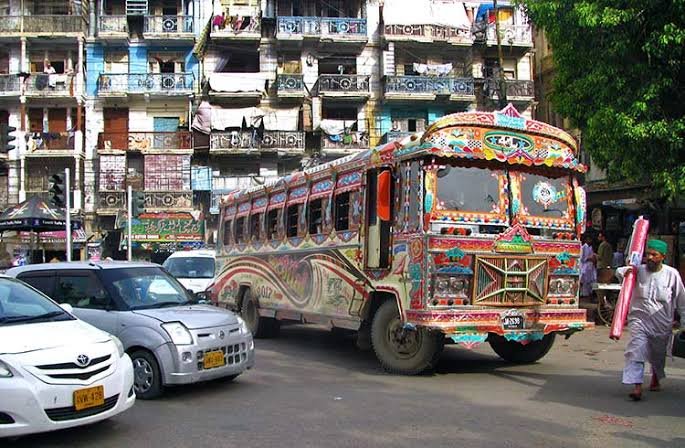

Pakistan’s proposed Auto Policy 2026-31 could reshape the vehicle market, but it must address transport challenges households face. Most families cannot afford cars and depend on buses, motorcycles, rickshaws and shared services to reach work, schools and healthcare.
The draft proposes lower tariffs, used-car imports and support for electric vehicles. However, the policy should look beyond manufacturers and car buyers to improve safe, reliable public transport.
Transport Costs Restrict Jobs and Education
Household data shows that only 6.6 per cent of families own cars, while 57 per cent have motorcycles. Around 41 per cent own neither, leaving many dependent on public transport or walking.
For low-income workers, repeated fares and unreliable connections consume monthly earnings. Women and students face further barriers when journeys involve unsafe routes, long waits or multiple transfers.
A daily commute can take 13 to 16 per cent of a worker’s monthly earnings. Therefore, dependable bus services could reduce expenses and improve access to employment and education.
Policy Must Support Buses and Electric Mobility
The proposed Automotive Development Levy could generate around Rs 232 billion over five years. The government could direct part of this revenue towards electric buses, routes and safer stations.
Meanwhile, electric motorcycles could help people reduce fuel expenses. However, subsidies and financing schemes should reach lower-income households instead of mainly benefiting buyers of expensive electric cars.
The policy should link public funding to reliable services, reasonable fares and safety standards. Authorities should monitor schedules, waiting times and cancellations to ensure operators deliver services.
Ultimately, Pakistan should measure success not only through vehicle sales, but also by how many people can reach work, education and healthcare affordably.
For the latest updates, visit and follow The Truth International website (www.thetruthinternational.com) and subscribe to the YouTube Channel.

