
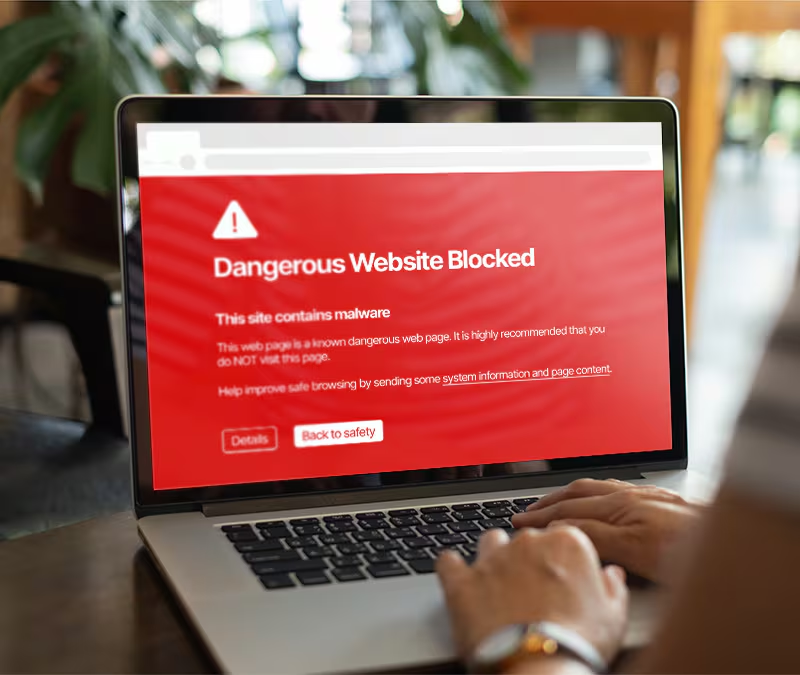

The Pakistan Telecommunication Authority (PTA) has identified 586 potentially malicious online sources across Pakistan during the past year.
According to the authority’s Cyber Security Annual Report 2025-26, the threats included fake websites, harmful mobile applications and suspicious social media accounts.
The report covers the period from July 2025 to June 2026. It highlights growing cybersecurity risks for internet users, government institutions and telecommunications infrastructure.
Social Media Accounts Account for Most Threats
The PTA identified three major categories of suspicious online sources.
These included 152 dangerous website links, 48 malicious mobile applications and 386 suspicious social media accounts and pages.
Social media accounted for the largest share of detected threats.
The authority linked many of these activities to phishing, impersonation, fake websites and harmful online content.
Such tactics often involve criminals pretending to represent trusted individuals or organisations. Their aim is to trick users into sharing personal information or falling for online scams.
September Recorded the Highest Number of Threats
The report identified September 2025 as the month with the highest number of detected malicious sources.
The PTA used its National Telecom Security Operations Centre (nTSOC) to monitor suspicious online activity.
Its monitoring covers websites, mobile applications, social media platforms and less accessible online spaces, including deep web and dark web forums.
The system helps identify potential threats and supports early action against malicious activity.
PTA Strengthens Cybersecurity Monitoring
The authority said it has improved its threat detection and analysis systems.
After identifying suspicious sources, the PTA assesses their potential risks and shares relevant information with concerned organisations.
It also issues cybersecurity advisories and coordinates with telecom operators, National CERT and other stakeholders.
These measures aim to protect internet users, strengthen digital security and reduce the risks of online fraud.
The findings highlight the importance of verifying websites, avoiding suspicious links and downloading applications only from trusted sources.
For the latest updates, visit and follow The Truth International website (www.thetruthinternational.com) and subscribe to the YouTube Channel.

