
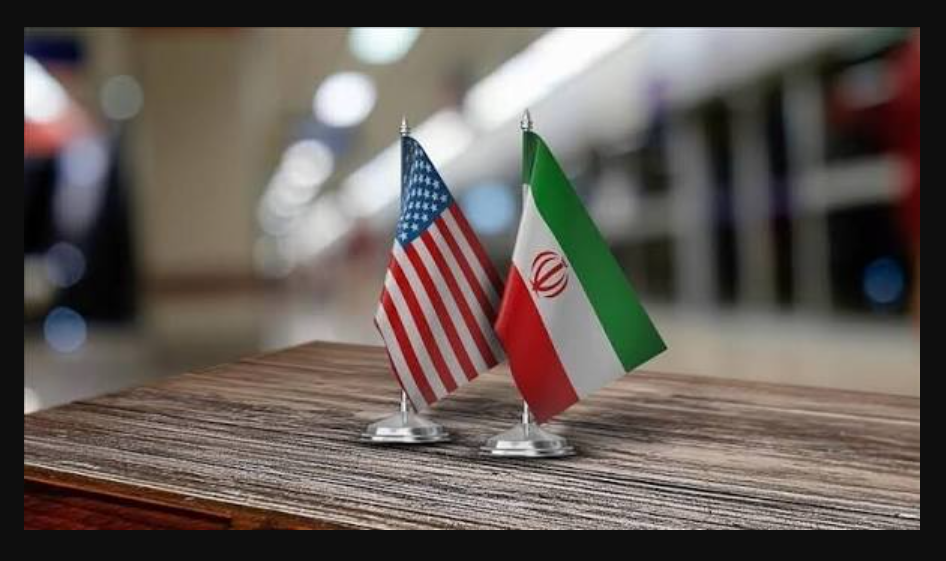

Pakistan has urged all parties involved in the Middle East conflict to remain committed to the existing ceasefire agreement following renewed military exchanges between the United States and Iran.
Deputy Prime Minister and Foreign Minister Ishaq Dar conveyed Pakistan’s position during a phone conversation with the European Union’s High Representative for Foreign Affairs and Security Policy, Kaja Kallas.
During the discussion, both sides reviewed the changing regional situation and exchanged views on recent developments.
Pakistan stressed that continued dialogue and restraint remain essential for maintaining regional peace.
Pakistan Highlights Ongoing Diplomatic Engagement
During the conversation, Ishaq Dar briefed the European side on Pakistan’s continuing diplomatic efforts aimed at creating a broader framework for long-term peace and stability in the Middle East.
He also emphasized the importance of respecting commitments made under the ceasefire arrangement.
According to Pakistan’s position, maintaining open communication remains necessary to avoid further escalation.
Meanwhile, Pakistan reiterated support for diplomatic engagement instead of prolonged confrontation.
EU Appreciates Pakistan’s Peace Efforts
The European Union acknowledged Pakistan’s diplomatic engagement in recent regional developments.
European officials appreciated Pakistan’s efforts that contributed to the signing of the Islamabad memorandum of understanding.
At the same time, concerns were expressed regarding reported violations of the ceasefire arrangement.
Kaja Kallas stressed that communication channels should remain open among all sides involved in the conflict.
The discussion also highlighted the importance of preventing instability from expanding across the wider region.
Regional Tensions Rise After New Military Exchanges
Pakistan’s appeal came after renewed military activity involving Iran and the United States.
Iran reportedly launched missiles and drones targeting US military facilities in Kuwait and Bahrain.
These developments came shortly after US President Donald Trump warned Iran against abandoning the interim agreement.
Trump stated:
“There may come a point when we are no longer able to be reasonable, and will be forced to militarily complete the job that we very successfully started,”
He further added:
“If that happens, the Islamic Republic of Iran will no longer exist!”
The statements added new uncertainty to the already fragile regional environment.
Iran Responds and Warns of Consequences
Iran’s Islamic Revolutionary Guard Corps later confirmed operations involving naval and air assets targeting American military sites.
Iranian officials argued that previous military actions had undermined ceasefire efforts.
According to official statements, continuing military operations could affect diplomatic engagement.
The IRGC stated that the situation:
“will result in the complete halt of all diplomatic processes”
Its naval command also warned:
“will experience hell in the coming days”.
Despite these developments, early reports indicated no major casualties at US facilities.
New Concerns Emerge Across the Region
Authorities in Bahrain later reported damage to a residential building in Muharraq province.
However, no casualties were reported.
Meanwhile, Kuwait announced that its air defence systems intercepted ballistic missiles.
Regional governments continued monitoring the evolving situation closely.
Questions also remain about whether diplomatic channels can still prevent wider instability.
Pakistan Continues to Back Diplomatic Solutions
Pakistan has continued advocating dialogue throughout recent developments.
One round of negotiations involving American and Iranian representatives had previously taken place in Switzerland with Pakistan’s involvement.
The interim peace framework aimed to reduce tensions and create space for negotiations.
However, renewed military exchanges have created fresh uncertainty.
As diplomatic efforts continue, Pakistan has maintained that respecting ceasefire commitments remains essential for preserving regional peace and avoiding further escalation.

