
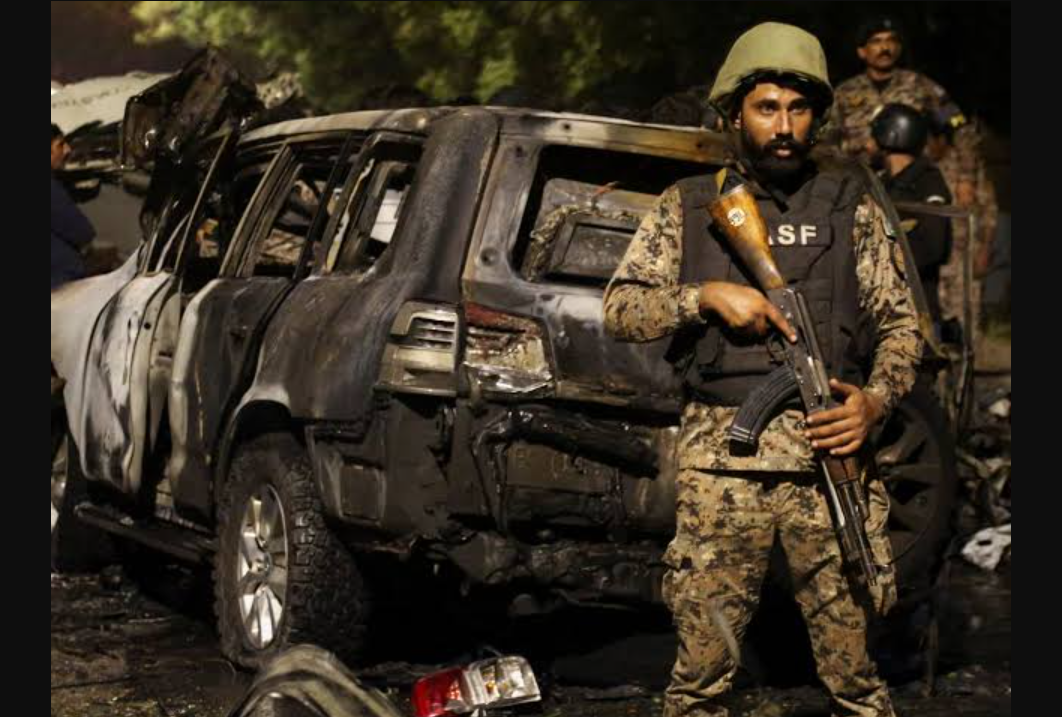

Pakistan has recorded a significant decline in terrorist attacks over five weeks, according to a new report by the Pakistan Institute for Conflict and Security Studies (PICSS). However, rising abductions and continued casualties indicate that security challenges remain despite the reduction in attacks.
The report recorded 61 attacks between September 18 and September 24, compared with 21 between October 16 and October 22. This represents a 66% decline over the five-week period. Moreover, attacks fell by 38% compared with the preceding week.
During the latest reporting week, security forces killed 33 militants in 10 operations. The figures highlight continued counter-militancy activity alongside the decline in reported attacks.
Terrorist Attacks Decline in Pakistan, but Casualties Persist
Despite fewer attacks, the reduction has not produced a comparable decline in deaths and other security incidents. According to the report, militant violence killed 22 people between October 16 and October 22.
The previous week recorded 23 deaths, indicating only a slight decrease. Meanwhile, the number of injured people fell from 20 to 11 during the same comparison.
However, abductions increased significantly, rising from 24 to 41 cases. Almost all reported abductions occurred in Balochistan, highlighting a continuing security concern in the province.
These figures suggest that a decline in attack frequency does not necessarily mean every aspect of militant violence is improving. Therefore, casualty figures, abductions, and regional developments remain important indicators when assessing Pakistan’s security situation.
Balochistan Records the Highest Number of Attacks
Balochistan accounted for 12 of the 21 attacks reported nationwide between October 16 and October 22. Despite the lower overall attack count, the province experienced an increase in deaths.
This contrast highlights the uneven impact of militant violence across different regions. Furthermore, the high number of reported abductions adds to the province’s security concerns.
Khyber Pakhtunkhwa also showed differences between attack frequency and fatalities. The report noted that declining incident numbers did not automatically translate into an equally sharp reduction in deaths.
Consequently, developments in both provinces remain central to understanding the broader security picture.
PICSS Report Highlights Changing Militant Strategies
Beyond the weekly figures, the latest PICSS Weekly Insight examines changes within Pakistan’s militant landscape. It discusses an emerging leadership dispute within a Baloch militant faction and evolving propaganda strategies used by the Tehreek-e-Taliban Pakistan (TTP).
The report also examines claims that could indicate shifts in the reach of existing militant networks. However, such claims require careful assessment and should not automatically be treated as independently established facts.
Meanwhile, the killing of 33 militants during 10 security operations reflects continued efforts to counter militant activity. The report also reviews developments affecting Pakistan’s relations with Afghanistan and other regional partners.
Pakistan’s Security Situation Remains Complex
The decline in terrorist attacks offers an important measure of changing security trends. Nevertheless, persistent casualties, rising abductions, and regional differences complicate the overall picture.
Balochistan’s share of reported attacks and the increase in abductions remain particularly notable developments. At the same time, evolving militant leadership dynamics and propaganda strategies add further complexity.
Overall, the PICSS figures show a substantial reduction in reported attacks over five weeks, alongside continuing security challenges. Monitoring these different indicators will remain essential to understanding how Pakistan’s security situation develops.
For the latest updates, visit and follow The Truth International website (www.thetruthinternational.com) and subscribe to the YouTube Channel.

