

Islamabad Expands Quiet Diplomatic Engagement
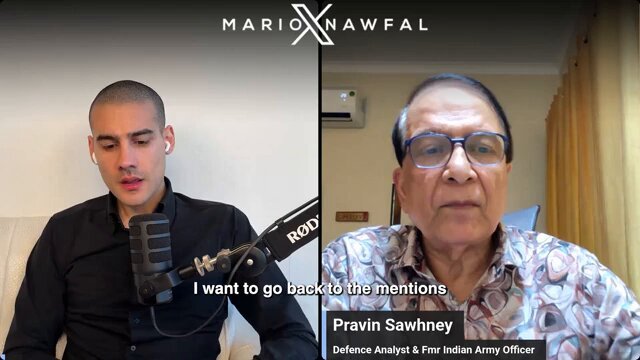
Pakistan is increasingly positioning itself as a key diplomatic intermediary between the United States and Iran, according to military analyst Pravin Sawhney, who says Islamabad is working quietly to help manage tensions and prevent a wider regional conflict.
Speaking on evolving geopolitical dynamics, Sawhney argued that Pakistan is pursuing a more active diplomatic role behind the scenes, seeking to facilitate communication between Washington and Tehran at a time when relations between the two countries remain fragile.
According to his assessment, Pakistan views mediation efforts as an opportunity to enhance its strategic relevance and strengthen its influence within the broader Middle East and South Asian security landscape. As regional tensions continue to generate uncertainty, Islamabad appears eager to present itself as a credible actor capable of engaging with multiple stakeholders.
Consequently, diplomatic outreach and conflict-management efforts have become increasingly important components of Pakistan’s regional strategy.
Regional Security Architecture Undergoing Change
Meanwhile, Sawhney suggested that broader shifts are taking place across the region’s security framework. While some Western policymakers continue to discuss the possibility of a coordinated security arrangement often described as an “Islamic NATO,” he argued that regional powers are moving in a different direction.
Instead of relying on externally driven security structures, several countries appear to be exploring indigenous mechanisms for cooperation and conflict management. According to Sawhney, these efforts could eventually produce a new regional security architecture shaped primarily by local interests and strategic calculations.
Furthermore, such developments may alter traditional power balances and reduce dependence on outside actors in addressing regional challenges.
Analysts note that ongoing conflicts, shifting alliances, and emerging diplomatic initiatives have accelerated discussions about alternative security arrangements. As a result, countries across the region are reassessing their strategic priorities and partnerships.
Pakistan’s growing diplomatic engagement reflects this broader trend. By maintaining communication channels with competing powers and promoting dialogue, Islamabad hopes to strengthen its position as a constructive regional player.
While the long-term outcome remains uncertain, observers believe these evolving diplomatic and security initiatives could significantly influence the future balance of power across the Middle East and surrounding regions.
🇵🇰🇺🇸🇮🇷 Pakistan is positioning itself as the bridge between Washington and Tehran.
Military expert Pravin Sawhney says Islamabad is working behind the scenes to help manage the conflict and gain more weight as a regional player.
While the West looks for an “Islamic NATO,”… https://t.co/xijIMiJO6k pic.twitter.com/uXerJYNP4e
— Mario Nawfal (@MarioNawfal) June 8, 2026

