
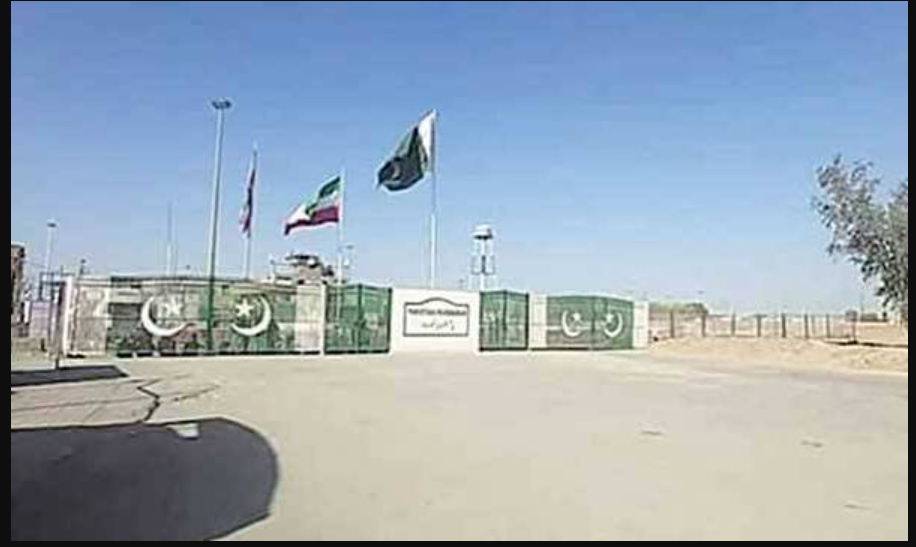

Pakistan has restored commercial movement at its Gabd-Rimdan border crossing with Iran, ending a week-long suspension that disrupted cross-border trade. The reopening allows stranded trucks and commercial vehicles to resume their journeys in both directions.
Trade resumed on Saturday morning at the crossing in Gwadar district, also known as Gate 250. Border officials have started clearing commercial consignments following Field Marshal Asim Munir’s visit to Tehran.
Mir Naveed Jan Kalmati, president of the Gwadar Chamber of Commerce and Industry, confirmed the development. He said authorities now allow trucks and other vehicles carrying import and export goods to cross the border.
Why Did Pakistan Suspend Trade With Iran?
Pakistan halted trade at the Gabd-Rimdan and Taftan border crossings on October 17. The Ministry of Commerce withdrew its October 3 trade order with immediate effect.
However, the ministry did not provide a reason for the suspension, leaving traders and transporters facing uncertainty.
Meanwhile, local authorities reviewed the security situation before permitting commercial activities to resume. Officials have also deployed additional forces to protect trade convoys and support safer transportation.
The reopening therefore offers a way forward for businesses affected by the week-long disruption, although the decision follows a security review.
How the Border Reopening Could Help Traders
The resumption of trade brings immediate relief to transporters and traders whose vehicles remained stranded on both sides of the border.
With commercial movement restored, businesses can resume transporting import and export consignments through the crossing. Consequently, the decision could help reduce delays and ease pressure on traders dealing with interrupted deliveries.
Both sides have welcomed the reopening, reflecting the importance of maintaining cross-border commercial activity.
Could the Decision Ease Pakistan’s LPG Shortage?
The reopening could also support Pakistan’s energy supply, particularly amid concerns over LPG availability and rising prices.
Iran is among the sources of goods entering Pakistan through its western border crossings. Therefore, restored trade could help improve LPG supplies, which typically face higher demand during winter.
Increased availability may also help ease pressure on energy and food prices. However, the reopening alone does not guarantee immediate price reductions, as market conditions and supply levels will influence the outcome.
Pakistan and Iran Share a 909-Kilometre Border
Pakistan and Iran share a 909-kilometre border connecting Balochistan with Iran’s Sistan and Baluchestan province.
The Gabd-Rimdan crossing serves as an important route for commercial movement between the neighbouring countries. Its reopening restores a trade channel that businesses rely on for transporting goods.
For now, traders can resume cross-border operations following the suspension. The continuity of trade and security arrangements will remain important for businesses and transporters using the route.
For the latest updates, visit and follow The Truth International website (www.thetruthinternational.com) and subscribe to the YouTube Channel.

