
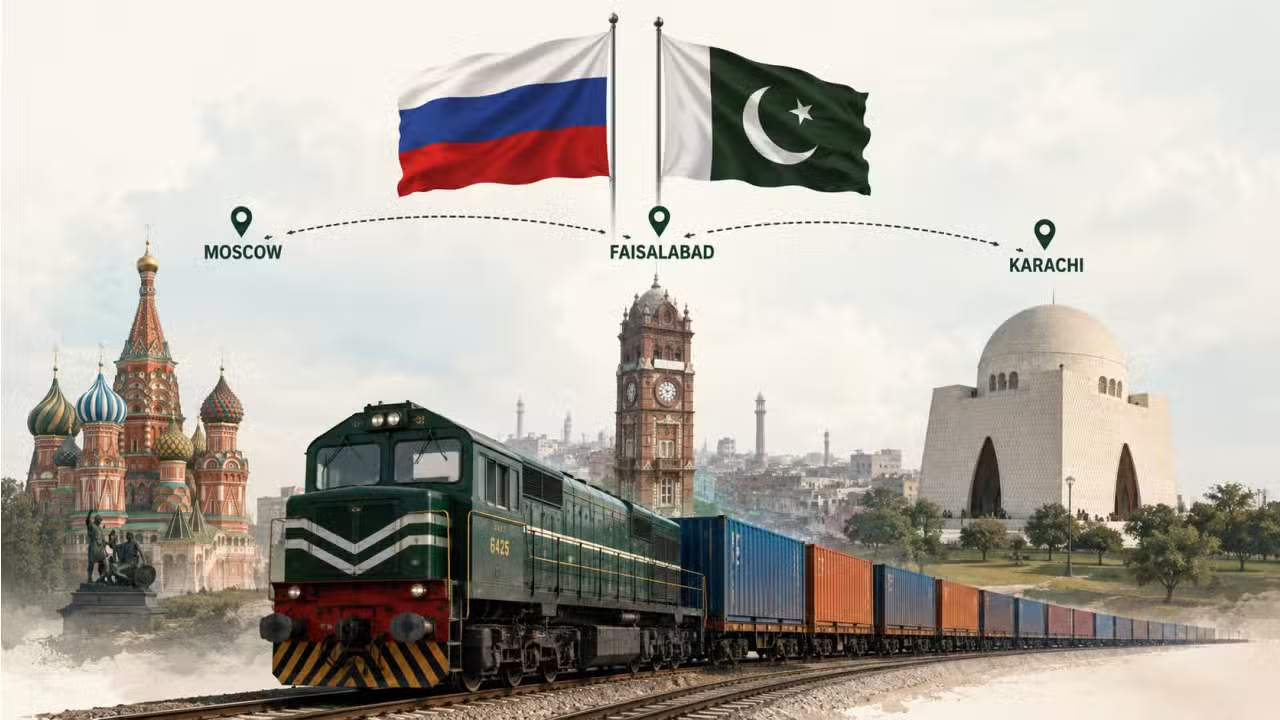

ISLAMABAD: Pakistan Railways has signed a freight forwarding agreement with Russian Railways Logistics (RZD Logistics) to expand cooperation in international freight transportation and multimodal logistics as Pakistan seeks stronger trade connections with Russia and Central Asia.
Under the agreement, the two sides will work towards launching a pilot container freight train connecting Pakistan with Russia and Central Asian countries.
The proposed service aims to encourage rail-based trade while providing businesses with an additional route for transporting goods across regional markets.
However, the government said regional conflict prevented the pilot train from beginning according to the original schedule.
Pilot Container Train Planned Once Conditions Improve
Pakistan Railways and RZD Logistics remain in contact and intend to launch the service when regional conditions permit.
Moreover, the initiative forms part of Pakistan’s broader strategy to increase the railway sector’s contribution to international trade and strengthen connectivity with regional economies.
A freight corridor connecting Pakistan with Russia and Central Asia could provide exporters and importers with an alternative to existing transportation routes while encouraging greater use of multimodal logistics services.
Cooperation to Focus on Expertise and Freight Efficiency
Meanwhile, Pakistan Railways and RZD Logistics will also exchange technical expertise and best practices in railway freight operations.
The government expects this cooperation to improve international freight services, lower logistics costs and increase the efficiency of Pakistan’s rail freight network.
Furthermore, expanding cross-border freight operations could support Pakistan Railways’ efforts to improve its financial sustainability while modernising its services.
Greater integration with regional and international trade corridors could consequently increase freight volumes and strengthen the railway network’s role in cross-border commerce.
The agreement reflects Pakistan’s efforts to diversify international transport connections and develop railway infrastructure as an increasingly important component of regional trade and logistics.

