
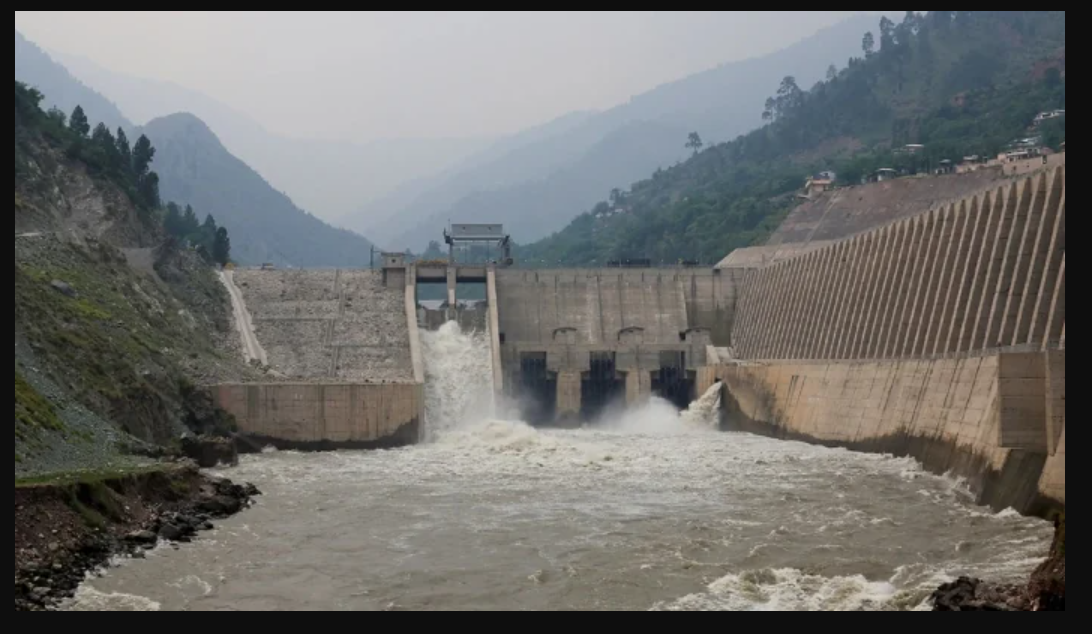

Pakistan is preparing a major investment in water infrastructure as growing scarcity puts pressure on agriculture, reservoirs and groundwater supplies. The federal government plans to mobilise approximately $18 billion over the next decade for strategic water projects and related reforms.
According to a Planning Commission report, the National Water Security framework under URAAN Pakistan aims to improve irrigation efficiency, expand water storage and strengthen flood protection. Moreover, the plan seeks to improve water distribution and regulate groundwater extraction to address mounting challenges.
Pakistan Sets Ambitious Water Storage Targets
The framework aims to increase Pakistan’s water storage capacity from 15.318 million acre-feet (MAF) to 23.54 MAF by 2029. However, the report warns that existing live storage represents only 11% of annual Indus River flows.
Ongoing projects under the Public Sector Development Programme (PSDP) are expected to add 9.821 MAF of storage. Meanwhile, proposed projects, including Akhori Off-Channel Storage Dam, Shyok Dam and Skardu Dam, could provide approximately 14.5 MAF of additional capacity.
The plan also targets an increase in water availability at farm gates from 58.3 MAF to 79 MAF by 2029. Achieving these goals will require coordinated infrastructure development, improved water management and substantial financing.
Irrigation Reforms Aim to Improve Water Efficiency
Agriculture accounts for approximately 95% of freshwater withdrawals in Pakistan, while irrigation water-use efficiency remains around 40%. Therefore, the framework aims to raise efficiency to 70% by 2029.
To support this target, the report proposes expanding drip and sprinkler irrigation through financial incentives. These systems can help farmers use available water more efficiently.
The framework also recommends reforming abiana, or irrigation water charges, to reflect actual operation and maintenance costs. In addition, it calls for reviewing cropping patterns to improve agricultural water productivity.
The report identifies approximately 20.58 million acres of suitable agricultural land outside formal irrigation networks. This land could offer opportunities to expand irrigated agriculture, provided water resources remain sustainable.
Groundwater Depletion Raises Fresh Concerns
Pakistan also faces mounting pressure on its groundwater reserves. According to the report, groundwater levels across Punjab are declining by 0.5 to one metre annually.
The Indus Basin Aquifer has also been identified as the world’s second most overstressed aquifer system. Consequently, the framework recommends linking subsidies for solar-powered agricultural tubewells to groundwater registration and sustainable extraction limits.
Although solar-powered pumps can reduce farmers’ energy costs, they may also encourage excessive groundwater extraction. The report warns that solarisation can make pumping effectively free at the point of use, accelerating depletion without appropriate safeguards.
Flood Protection and Water Distribution Need Stronger Oversight
The Planning Commission report highlights a significant reduction in flood warning time at Marala Headworks. Warning time fell from 40 hours in 2014 to just 5.5 hours in 2025.
To address flood risks, the framework recommends implementing the National Flood Protection Plan-IV and updating flood design assessments using revised hydrological data. It also proposes stronger glacier monitoring through a National Glacier Protection Act.
Furthermore, the report recommends creating a Water System Integrator function under the Indus River System Authority (IRSA). This proposed arrangement aims to strengthen accountability in water distribution, from rivers to farms.
The framework also calls for declaring water security a national security priority, reflecting its importance for agriculture, communities and economic stability.
Wastewater Recycling Forms Part of the Strategy
Pakistan’s water challenges also extend to urban areas, where water quality remains a serious concern. The report states that approximately 53% of monitored urban water sources are unsafe for human consumption.
To address this issue, the framework proposes recycling at least 25% of urban wastewater. Greater wastewater recycling could help reduce pressure on freshwater resources while supporting more sustainable water management.
Can Pakistan Achieve Its 2029 Water Goals?
Pakistan’s proposed water security framework combines major infrastructure investment with reforms in irrigation, groundwater management, flood protection and wastewater recycling. However, reaching the targets will depend on effective coordination, reliable financing and stronger implementation.
The planned increase in storage and farm-level water availability represents an ambitious goal for the coming years. Ultimately, Pakistan’s ability to manage its water resources more efficiently will be central to achieving the framework’s objectives by 2029.
For the latest updates, visit and follow The Truth International website (www.thetruthinternational.com) and subscribe to the YouTube Channel.

