
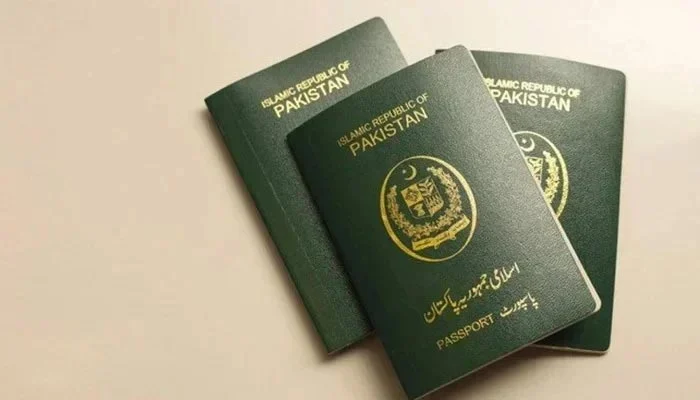

Pakistan Drops to 100th Position in Latest Global Passport Ranking
Pakistan’s passport ranking has slipped to 100th place in the latest update of the Henley Passport Index for May 2026. The decline comes only months after the country showed slight improvement earlier this year.
According to the updated global ranking, Pakistani passport holders currently have access to 30 destinations through visa-free entry, visa-on-arrival systems, or electronic travel authorisation programs.
Earlier in February 2026, Pakistan’s passport had improved to 97th position after climbing from 98th place in January. At that time, Pakistani citizens could access 32 destinations through simplified travel arrangements.
The latest fall from 97th to 100th position reflects a reduction in accessible destinations from 32 to 30.
Travel experts say passport rankings often change because of evolving international visa policies, diplomatic agreements, and border regulations between countries.
Although the latest decline may appear small, analysts believe it highlights the continuing challenges faced by Pakistani travelers seeking easier international mobility.
In 2025, Pakistan ranked 103rd globally. The temporary improvement earlier this year had raised hopes of gradual progress in travel access for Pakistani citizens.
However, the newest ranking suggests that passport mobility remains unstable and highly dependent on global policy changes.
The Henley Passport Index evaluates 199 passports across 227 destinations worldwide using data provided by the International Air Transport Association.
Countries with stronger diplomatic ties and broader visa agreements generally maintain higher positions in the rankings.
Pakistani Travelers Still Have Access to Multiple Destinations
Despite the latest decline, Pakistani passport holders still retain access to dozens of countries through visa-free entry, visa-on-arrival facilities, and electronic travel systems.
Several countries currently allow Pakistani citizens to enter without requiring a traditional visa before departure.
These destinations include Barbados, Dominica, Rwanda, The Gambia, Trinidad and Tobago, and Vanuatu.
Visa-on-arrival access remains available in countries such as Cambodia, Maldives, Nepal, Samoa, and Timor-Leste.
Other nations including Kenya, Seychelles, and Sri Lanka require electronic travel authorisation systems before travel.
Travel industry observers note that electronic travel authorisation programs are becoming increasingly common worldwide because they allow governments to simplify entry procedures while maintaining border security controls.
Experts say simplified travel access can improve tourism, business opportunities, cultural exchange, and international connectivity for citizens.
However, many Pakistani travelers still face strict visa procedures for major destinations across Europe, North America, and several developed economies.
Long visa processing times, financial documentation requirements, and travel restrictions continue creating challenges for applicants.
Travel consultants believe improving passport strength often depends on stronger diplomatic engagement, international cooperation, economic stability, and security partnerships between countries.
They also note that global immigration policies have become more dynamic following recent geopolitical tensions and international security concerns.
Global Leaders Continue Dominating Passport Mobility Rankings
The latest Henley Passport Index continues to place Singapore among the world’s strongest passports, followed by Japan, South Korea, and several European nations.
Citizens from top-ranked countries can access more than 180 destinations worldwide with minimal visa restrictions.
Experts say strong passport rankings usually reflect stable diplomatic relations, economic influence, and international trust between governments.
European countries continue dominating the upper tier of the rankings due to regional travel agreements and extensive visa partnerships.
Asian countries including Singapore, Japan, and South Korea have also strengthened their global mobility positions through economic growth and international cooperation.
Meanwhile, countries facing economic instability, political uncertainty, or security concerns often remain lower in passport rankings.
Analysts say passport mobility has become an increasingly important indicator of global connectivity and international standing.
Business leaders, students, tourists, and professionals all benefit from easier international travel access.
For Pakistan, experts believe future improvements may depend on expanding diplomatic engagement, improving international partnerships, and strengthening bilateral agreements with more countries.
Some observers argue that growing digital visa systems and regional travel cooperation could eventually create new opportunities for Pakistani travelers.
Despite the current setback, travel experts say access to 30 destinations through simplified entry systems still provides important mobility opportunities for citizens.
As international visa policies continue evolving, passport rankings are expected to remain highly competitive and subject to frequent changes.

