
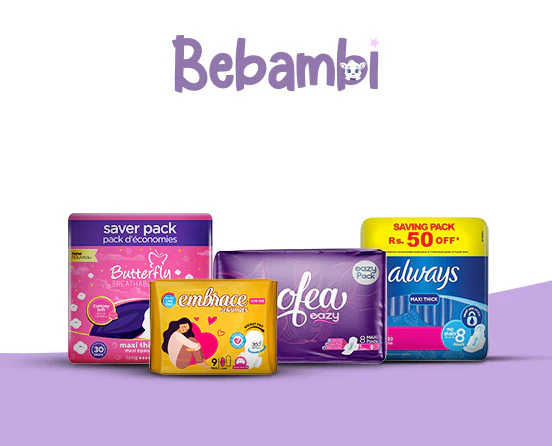

Budget Proposal Recognises Sanitary Pads as Essential
The federal government has proposed abolishing taxes on sanitary pads in a major relief measure for women and girls across Pakistan.
The proposal recognises sanitary pads as an essential health product, not a luxury item.
According to the proposal, menstrual hygiene products play an important role in women’s health, dignity and daily participation in society.
The move is aimed at making sanitary pads more affordable for households already facing rising expenses.
The government said the tax exemption would especially help low-income families, where access to menstrual hygiene products is often limited due to cost.
If approved, the measure could reduce financial pressure on millions of women and girls who need these products every month.
Step Aims to Improve Health and Access
Health experts and women’s rights advocates have welcomed the proposal.
They say lowering the cost of sanitary pads can help address poor access to menstrual hygiene products.
Many girls and women face difficulty managing menstrual health due to high prices, limited awareness and social barriers.
Experts believe affordable sanitary products can support better hygiene and reduce health risks linked to unsafe alternatives.
The proposal also connects menstrual health with education and work.
When girls and women lack access to proper hygiene products, their school attendance, workplace participation and confidence can be affected.
By removing taxes, the government aims to reduce one financial barrier linked to women’s health.
Advocates Call It a Dignity-Based Reform
Women’s rights groups have described the proposal as a positive step toward dignity and equality.
They argue that sanitary pads should be treated as basic healthcare products because they are connected to a natural biological need.
The proposed exemption reflects a shift in official thinking.
It shows that menstrual hygiene is being linked with public health, affordability and social inclusion.
The measure may also increase pressure for stronger policies on women’s health products in the future.
However, advocates say tax removal alone may not be enough.
They believe the government must also ensure that price reductions reach consumers in markets.
Retail monitoring, local production support and awareness campaigns may be needed to make the reform effective.
The proposal also follows another budget measure related to reproductive health products, including tax relief on birth control pills and contraceptives.
Together, these steps suggest a broader focus on reducing financial barriers to essential healthcare items.
If implemented properly, the removal of tax on sanitary pads could become one of the most important women-focused measures in the new budget.

