
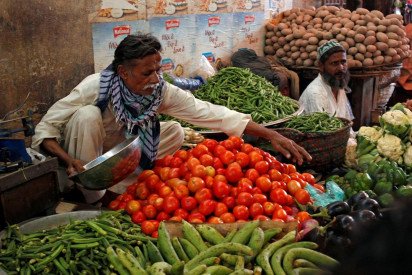

Pakistan’s annual short-term inflation reached 11.32% during the week ending October 29, 2026, as rising food and energy costs continued to strain household budgets.
According to the Pakistan Bureau of Statistics (PBS), the Sensitive Price Indicator (SPI) declined by 0.35% compared with the previous week, offering limited relief to consumers.
LPG and Electricity Prices Record Major Annual Increases
The latest figures revealed that LPG prices surged by 106.86% compared with the same period last year.
Electricity charges for the lowest consumption group increased by 52.38%.
Meanwhile, diesel prices climbed by 45.13%, while petrol became 43.61% more expensive.
Wheat flour prices increased by 34.87%, and chicken prices rose by 31.72%.
These increases highlight continuing pressure on essential household expenses.
Tomato Prices Surge Nearly 35% in One Week
Despite the overall weekly decline, several food items became more expensive.
Tomato prices jumped by 34.91%, while potatoes increased by 3.27%.
Diesel recorded a weekly increase of 2.53%, followed by gram pulse at 2.11%.
However, chicken prices fell by 2.95%, eggs by 2.81%, and wheat flour by 0.83%.
LPG prices also declined by 0.73%.
PBS Reports Mixed Price Trends Across Pakistan
Of the 51 essential commodities monitored, prices of 15 items increased, 12 declined, and 24 remained unchanged.
On an annual basis, potatoes became 38.67% cheaper, followed by tomatoes at 27.99%.
Egg prices decreased by 26.70%, while sugar dropped by 25.21%.
The SPI tracks essential commodity prices across 50 markets in 17 cities.
Although weekly inflation eased slightly, the annual increase indicates continued financial pressure on Pakistani households.

