
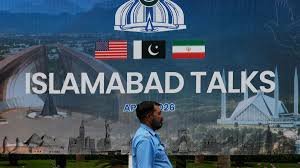

Prime Minister Shehbaz Sharif Reveals Key Diplomatic Development
Pakistan has officially confirmed receiving Iran’s response to a United States proposal aimed at ending the ongoing regional conflict. Prime Minister Shehbaz Sharif shared the update during a public event held in Islamabad to mark Marka-e-Haq.
Speaking to the audience, the prime minister stated that he had been informed about the development by Field Marshal Asim Munir. However, he avoided revealing specific details regarding the contents of Iran’s response or the nature of the proposal under discussion.
“Right now, the Field Marshal informed me that we have received Iran’s response,” the prime minister said during his address. He added that he could not provide further information at this stage.
The statement comes during a period of heightened diplomatic activity involving several regional and international powers seeking to reduce tensions in the Middle East. Analysts believe the communication between Iran and the United States could become an important step toward future negotiations and conflict resolution.
Pakistan has recently emerged as an active diplomatic intermediary in efforts aimed at encouraging dialogue between Tehran and Washington. Officials say Islamabad has played a constructive role in facilitating communication during a sensitive period of regional instability.
The confirmation from Pakistan’s leadership has increased international attention on possible next steps in the diplomatic process. Political observers say the response from Iran could influence future negotiations related to ceasefire arrangements, regional security, and maritime stability.
Pakistan Highlights Its Mediation Role Between Tehran and Washington
During his speech, Prime Minister Shehbaz Sharif also emphasized Pakistan’s role in bringing Iran and the United States closer to dialogue. He stated that both countries had been brought to the negotiating table for the first time since 1979.
The remark highlighted Islamabad’s efforts to support diplomatic engagement between two nations whose relations have remained tense for decades. Experts believe Pakistan’s communication channels with both sides have allowed it to act as a trusted intermediary during the current crisis.
Diplomatic analysts say mediation efforts by regional partners can help reduce mistrust and create opportunities for political solutions. Pakistan’s involvement has been viewed as part of broader international attempts to prevent further escalation in the Middle East.
The conflict has continued to create concerns regarding regional stability, energy security, and international trade routes. Global powers and international organizations have repeatedly called for restraint and peaceful negotiations.
Pakistan has consistently advocated for dialogue and diplomacy rather than military confrontation. Officials in Islamabad have urged all sides to prioritize political solutions and avoid actions that could worsen tensions across the region.
Observers believe successful mediation efforts could strengthen Pakistan’s diplomatic standing internationally while contributing to regional peace initiatives.
Regional and Global Attention Focused on Future Negotiations
The confirmation of Iran’s response has intensified speculation regarding possible future talks between Tehran and Washington. While no details have been publicly disclosed, experts say the exchange itself signals that diplomatic communication remains active despite political and military tensions.
International observers are closely monitoring developments because the conflict affects global security, oil markets, and strategic maritime routes such as the Strait of Hormuz.
Analysts believe any future negotiations would likely focus on ceasefire conditions, regional stability, security guarantees, and economic concerns connected to the ongoing conflict.
The prime minister’s remarks also reflected Pakistan’s broader foreign policy approach of promoting regional cooperation and peaceful conflict resolution. Officials continue engaging with international partners to support diplomatic progress and reduce the risk of wider confrontation.
Political experts note that indirect diplomacy often becomes essential during periods of strained relations between rival states. Mediation through third-party countries can help maintain communication and build trust for future agreements.
As international attention remains fixed on the region, diplomatic efforts are expected to continue in the coming days. Governments and observers worldwide are now waiting for the next response from Washington and possible progress toward formal negotiations.
The latest development has reinforced hopes that dialogue may still offer a path toward stability and de-escalation in the region.

