
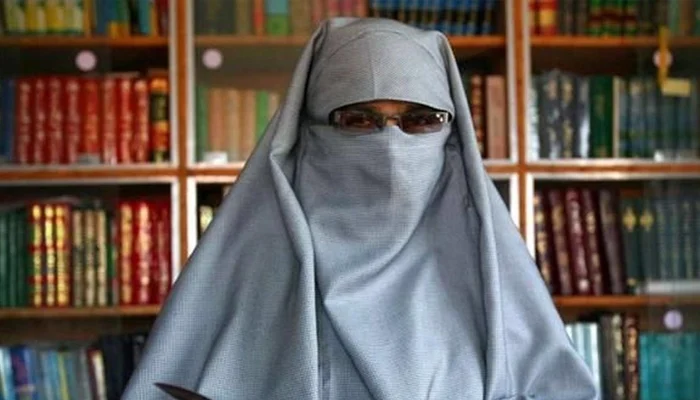

Pakistan has strongly criticized the sentencing of Kashmiri leader Asiya Andrabi by an Indian court. Officials described the decision as unjust and politically motivated. The move has raised fresh concerns about human rights in Indian Illegally Occupied Jammu and Kashmir.
In an official statement, the Foreign Office Pakistan rejected the court’s verdict. The court sentenced Andrabi to life imprisonment. Her associates, Fehmeeda Sofi and Nahida Nasreen, received 30-year prison terms. Authorities in Pakistan called the ruling a serious violation of justice and fairness.
The case has drawn attention from international observers. Critics argue that such decisions may impact regional stability. Meanwhile, Pakistan continues to highlight concerns over legal processes and civil rights in the region.
Concerns Over Human Rights and Fair Trial Standards
Pakistan expressed deep concern over the legal process. Officials questioned the transparency of the trial. They also raised issues about judicial independence and due process. According to the statement, the verdict reflects a pattern of suppressing dissent.
The activists were convicted under strict laws, including the Unlawful Activities (Prevention) Act. Indian authorities accused them of serious charges. These included conspiracy and actions against the state. However, Pakistan disputes these claims and calls for a fair review.
Furthermore, officials stressed the importance of international legal standards. They urged authorities to ensure fair trials for all السياسي detainees. حقوق groups have also shown concern about similar cases in the region.
Call for Global Action on Kashmir Issue
Pakistan has urged the global community to take notice. It specifically called on the United Nations and human rights organizations to act. Officials asked for independent monitoring of the situation in Kashmir.
The government emphasized the need to protect basic freedoms. These include freedom of expression and political rights. It also warned that such actions could increase tensions in South Asia.
Moreover, Pakistan reiterated its long-standing position on Kashmir. It supports the right of self-determination for the people of the region. This stance aligns with relevant UN resolutions.
Background of the Case and Regional Impact
Asiya Andrabi is known for her activism in Kashmir. She founded a group called Dukhtaran-i-Millat, which Indian authorities later banned. She was arrested in 2018 by the National Investigation Agency.
The court delivered the sentence after hearings on punishment. Observers believe the case reflects broader political tensions. The situation in Kashmir remains sensitive and complex.
Experts warn that such developments may affect peace efforts. Dialogue between regional powers remains limited. Therefore, calls for diplomatic solutions continue to grow.
Overall, the issue has gained international attention. Pakistan’s response highlights ongoing concerns about rights and justice. The coming weeks may see further reactions from global organizations.

