
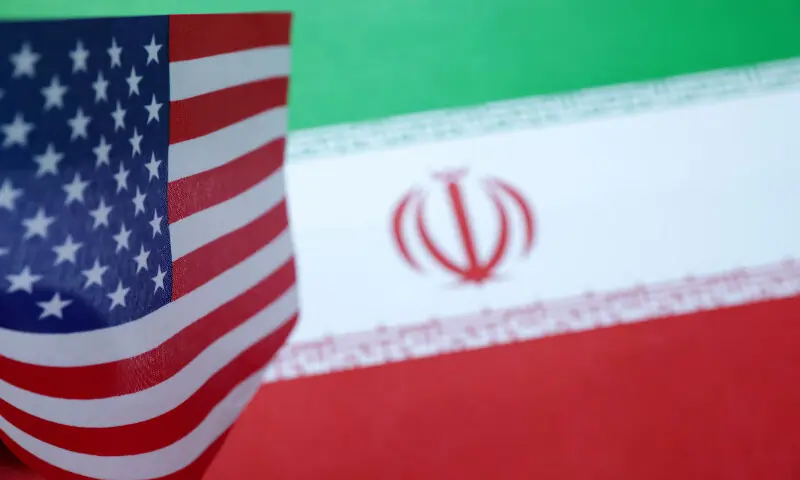

The United States and Iran have agreed in principle to extend their 60-day ceasefire under the Islamabad Memorandum of Understanding. The current deadline is due to expire on August 17, according to a media report on Wednesday.
The development could provide both sides with additional time to address unresolved issues and prevent renewed military escalation. However, Washington and Tehran have yet to decide how long the extension will last.
A source familiar with the mediation process said both countries had communicated their consent to mediators. The parties are now exchanging messages to determine the duration of the extension.
US and Iran Agree to Extend Ceasefire
The source confirmed that both countries had given mediators their approval for extending the existing deadline.
“Both sides have conveyed their consent to the mediators to extend the deadline,” the source said.
However, the agreement does not yet establish the length of the extension. The United States and Iran are continuing discussions through messages before finalising the next phase.
The extension could help maintain a temporary pause while diplomatic efforts continue. It could also create space for both sides to address disagreements that previously stalled negotiations.
Pakistan Played Key Role in Ceasefire Agreement
The current ceasefire emerged from Pakistan-brokered negotiations between the United States and Iran. Both countries agreed to the ceasefire in April before taking another major step toward formal negotiations.
On June 17, Washington and Tehran signed the Islamabad Memorandum of Understanding. The agreement established a framework for talks aimed at achieving a broader and more lasting understanding.
The negotiations initially raised hopes for progress between the two countries. However, talks later stalled because of disagreements over several key issues.
Security guarantees became one of the major obstacles between the negotiating sides. Freedom of navigation through the Strait of Hormuz also emerged as another critical point of disagreement.
Strait of Hormuz Remains Key Issue in Talks
The Strait of Hormuz plays a vital role in international energy markets and global trade. A significant amount of energy supplies passes through the strategically important waterway.
Disagreements over navigation rights have therefore added complexity to negotiations between Washington and Tehran. Security concerns have also remained central to the broader discussions.
The latest agreement in principle to extend the ceasefire could provide additional time for mediators to address these unresolved matters.
However, the two sides still need to settle the duration of the extension before the arrangement becomes fully defined.
Recent Military Strikes Raised Tensions
The latest diplomatic development follows a period of renewed military confrontation. The United States and Iran exchanged military strikes between July 8 and July 24.
Those attacks increased concerns about another escalation between the two countries. The potential extension of the ceasefire could therefore help prevent further military action while diplomatic channels remain open.
For now, mediators are working to finalise the extension period. If Washington and Tehran reach agreement on its duration, the move could offer another opportunity to restart stalled negotiations.
With the current deadline approaching on August 17, the coming days will remain important for the future of the ceasefire and broader US-Iran negotiations.

