

$80 Million Partnership Aims to Strengthen Pakistan’s Healthcare Industry
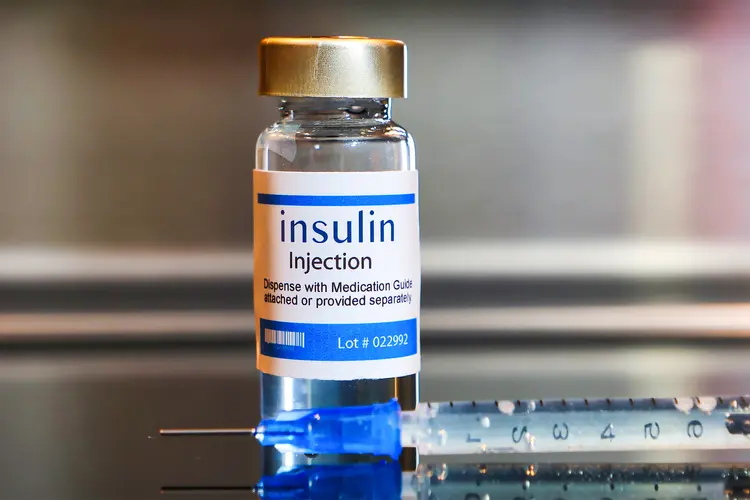
Pakistan and Russia are moving toward deeper economic and healthcare cooperation through a major insulin production project valued at 80 million dollars. The initiative is expected to help Pakistan reduce dependence on Western insulin imports while improving local pharmaceutical manufacturing capacity.
Russian pharmaceutical company Medsintez, together with its Pakistani partner, has announced plans to establish insulin production facilities in Pakistan through a long-term biotechnology collaboration.
The project includes technology transfer, local manufacturing of active pharmaceutical ingredients, and advanced aseptic filling facilities designed to support insulin production inside the country.
Industry experts describe the agreement as a major step for Pakistan’s healthcare sector because insulin remains a critical medicine for millions of diabetes patients nationwide.
Currently, Pakistan relies heavily on imported insulin supplies from international pharmaceutical companies. Rising healthcare costs, global supply disruptions, and currency pressures have increased concerns regarding long-term medical security.
The new partnership aims to improve local production capacity and reduce risks associated with dependence on foreign pharmaceutical suppliers.
According to project details, the first operational phase is expected to begin by 2028, while full-scale insulin production is targeted for completion by 2031.
Health sector analysts believe the project could significantly strengthen Pakistan’s pharmaceutical independence and support affordable healthcare access in the future.
Russian Insulin Products Approved for Pakistan Market
The partnership gained momentum after Pakistan approved multiple Russian insulin products for use in the local market. The approval opened the way for broader cooperation between pharmaceutical industries from both countries.
Medical experts say insulin demand continues rising in Pakistan because of increasing diabetes cases across urban and rural populations.
Pakistan is currently among the countries facing major public health challenges linked to diabetes and related complications. Access to affordable insulin remains a serious concern for many families.
Local production could help stabilize supply chains and potentially reduce medicine costs over time.
Pharmaceutical industry specialists also highlight the importance of biotechnology transfer included in the agreement. Technology-sharing arrangements may help Pakistan develop stronger domestic research, production expertise, and advanced medical manufacturing capabilities.
The project’s aseptic filling facilities are expected to meet international pharmaceutical standards. Such facilities are essential for producing safe injectable medicines including insulin products.
Economic observers believe the collaboration reflects Pakistan’s growing efforts to diversify international partnerships beyond traditional Western suppliers.
The agreement may also create employment opportunities in pharmaceutical manufacturing, biotechnology, logistics, and healthcare services.
Expanding Russia-Pakistan Economic Cooperation Across Eurasia
The insulin production project is part of broader economic cooperation developing between Russia and Pakistan across multiple sectors.
In addition to pharmaceutical collaboration, Russia has recently opened its market to seafood exports from Pakistan. Trade analysts say this development could strengthen bilateral commercial ties and create new export opportunities for Pakistani businesses.
Experts describe the growing relationship as part of wider Eurasian economic integration involving energy, trade, agriculture, transportation, and industrial cooperation.
Political analysts believe both countries are seeking stronger regional partnerships amid shifting global economic conditions and changing international trade patterns.
The healthcare partnership also reflects increasing interest among developing countries in building local manufacturing systems for essential medicines.
Global supply chain disruptions during recent years exposed vulnerabilities faced by countries heavily dependent on imported medical products.
Healthcare economists argue that domestic pharmaceutical production has become a strategic priority for many governments seeking long-term medical security.
For Pakistan, the insulin project may become an important milestone in strengthening healthcare infrastructure and reducing reliance on external supply networks.
Industry representatives say successful completion of the project could encourage additional foreign investment into Pakistan’s pharmaceutical and biotechnology sectors.
As planning and infrastructure work move forward, health experts and economic observers will closely monitor how the Russia-Pakistan partnership develops in coming years.
The project represents not only a healthcare initiative but also a broader signal of expanding economic cooperation between the two countries across Eurasia.

