
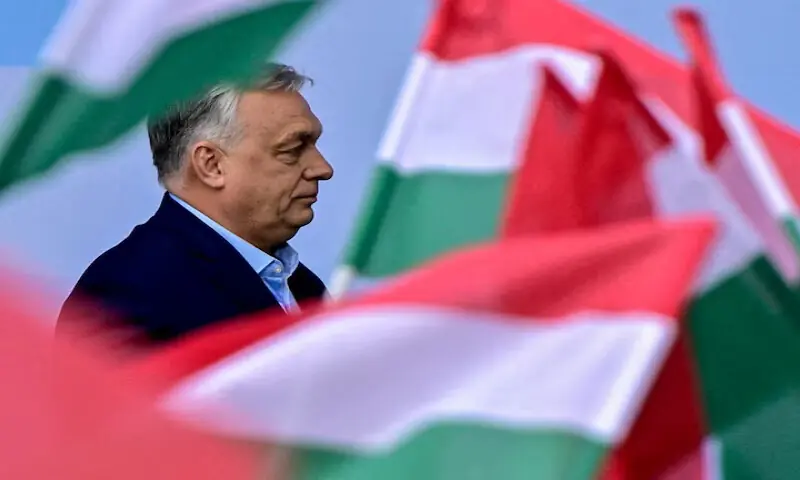

Hungarian Prime Minister Viktor Orban lost power after 16 years as voters turned out in record numbers to support a pro-European Union agenda led by rival Peter Magyar. Early results showed Orban’s nationalist Fidesz party trailing behind Magyar’s centre-right Tisza party, reflecting public frustration with economic stagnation. Although Orban secured endorsements from Donald Trump and European conservatives, voters ultimately opted for change.
Political Legacy and Controversies
Orban built a long and influential political career, first becoming prime minister in 1998 at age 35. He later returned to power in 2010 with a landslide victory, which allowed him to reshape Hungary’s constitution and promote what he called an “illiberal democracy.” However, critics accused him of weakening democratic institutions, restricting media freedom, and limiting judicial independence. Consequently, tensions grew between Hungary and the European Union, leading to the suspension of billions in funding. Despite his image as a defender of national identity, particularly during the 2015 migrant crisis, opposition steadily increased at home.
Election Upset and Future Direction
Meanwhile, Magyar capitalized on public concerns over inflation, healthcare, and declining living standards. Hungary experienced one of the European Union’s highest inflation rates following Russia’s 2022 invasion of Ukraine, which further strained household finances. In contrast to Orban’s focus on immigration and foreign policy, Magyar emphasized economic recovery and stronger EU ties. As a result, preliminary results suggest his party could secure a parliamentary supermajority, enabling major policy reversals.
In his concession speech, Orban acknowledged uncertainty about the country’s future but pledged to continue serving from the opposition. Ultimately, the election signals a decisive shift in Hungary’s political direction and a renewed alignment with European partners.

