
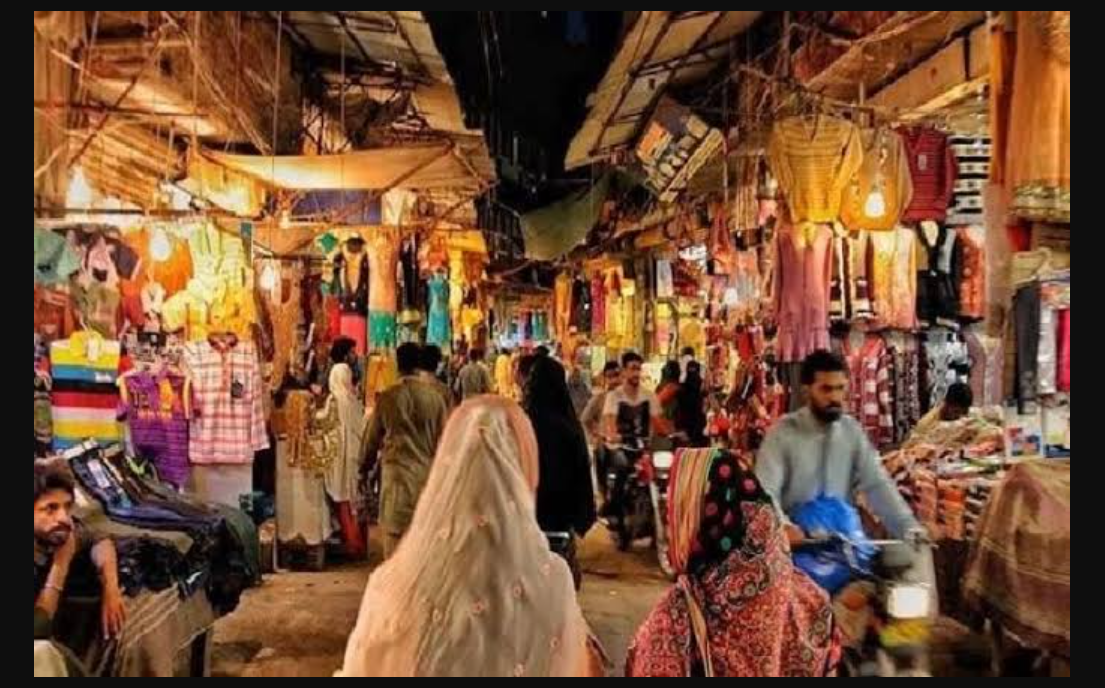

Islamabad is facing earlier business closing hours as the federal government rolls out fresh austerity and fuel conservation measures.
Under the new directives, shops, markets and shopping malls in the capital must close by 9pm. The measures were announced amid rising international fuel prices and energy concerns.
The government has also introduced restrictions on marriage functions, official travel, government vehicle purchases and public spending. Meanwhile, several essential services will remain exempt from the new closing-time rules.
The business timing measures initially apply to Islamabad. However, the federal government has encouraged provincial and regional governments to consider adopting similar steps.
Shops and Markets to Close by 9pm
Under the notification, shops, markets, shopping malls and bazaars must close by 9pm throughout the week.
The restriction also covers departmental stores, grocery stores, general stores and kiryana shops. Therefore, customers in Islamabad will have to adjust their shopping schedules accordingly.
Meanwhile, marriage halls, marquees and other commercial venues hosting festive events must close by 10pm. Restaurants, cafés, eateries and food outlets can operate until 11pm.
However, takeaway and home delivery services will remain exempt from the restaurant closing-time restriction.
Single-Dish Rule Imposed at Weddings
The government has also ordered that only one dish should be served at marriage-related functions and events.
The measure forms part of the broader effort to reduce fuel consumption and unnecessary expenditure. It applies alongside the new closing times for marriage halls and other event venues.
Which Businesses Are Exempt?
Several essential services will not face the new closing-time restrictions.
These include pharmacies, medical stores, hospitals, clinics and medical laboratories. Standalone bakeries, tandoors, milk and dairy shops will also remain exempt.
In addition, fuel and CNG stations, electric vehicle charging stations, gyms and sports facilities can continue operating without the new timing restriction.
IT companies and call centres are also exempt from the closing-time rules.
Government Vehicle Fuel Cut by 50%
The austerity campaign also targets government fuel consumption.
Official vehicle fuel allocations will be reduced by 50% for three months. However, operational vehicles used by the Armed Forces, Civil Armed Forces, law enforcement agencies, essential services and FBR are exempt.
The fuel reduction will still apply to administrative and non-operational formations of these entities. Development projects are also exempt from the measure.
Government Vehicle Purchases Banned
The government has imposed a complete ban on purchasing vehicles and durable goods by government departments.
However, IT-related procurement remains exempt from the vehicle and durable-goods restrictions. Development projects are also excluded from these bans.
Furthermore, the government has approved a 5% reduction in non-essential recurring expenditure for the 2026-27 fiscal year.
Foreign Travel Restricted for Three Months
Government officials will also face a three-month ban on foreign visits and travel.
The restriction includes obligatory visits, although limited exemptions apply. These include scholarships offered by international development partners and training or courses arranged through the Economic Affairs Division.
Institutional agreements can also qualify for exemptions under the notification.
When foreign travel becomes unavoidable, senior government officials and other designated functionaries must travel in economy class.
Teleconferencing to Replace Meetings
The government has also directed officials to rely on teleconferencing wherever possible.
The instruction does not apply to intra-city meetings. Additionally, official dinners are prohibited except those hosted for visiting foreign delegations.
Government-funded seminars, training programmes and conferences have also been prohibited. However, unavoidable events must take place at government venues such as auditoriums and committee rooms.
These measures collectively seek to reduce government spending while conserving fuel and energy. The government has also asked provincial and regional administrations to consider similar conservation steps.
For the latest updates, visit and follow The Truth International website (www.thetruthinternational.com) and subscribe to the YouTube Channel.

