
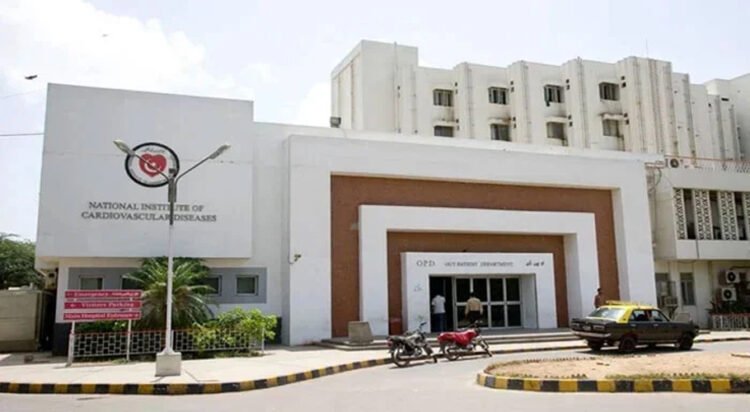

KARACGI: A specialised cardiac programme at the National Institute of Cardiovascular Diseases (NICVD) Karachi has reached a major milestone. The facility has successfully completed 500 paediatric heart surgeries for children with serious heart rhythm disorders.
The procedures had an estimated combined cost of around Rs1 billion. However, NICVD provided all treatments to patients completely free of charge. The achievement highlights the growing availability of specialised cardiac care for children in Pakistan. Previously, treatment options for complex heart rhythm disorders remained extremely limited across the country.
NICVD Treats Complex Heart Rhythm Disorders
Certain symptoms can signal potentially dangerous heart rhythm problems in children and young people. These include breathlessness after walking short distances and repeated episodes of fainting.
Unusually fast or slow heartbeats can also indicate an underlying condition. In some cases, sudden deaths among apparently healthy young people may result from undiagnosed rhythm disorders.
NICVD’s paediatric electrophysiology programme focuses on diagnosing and treating these complex conditions.
Dr Muhammad Mohsin, who heads the programme, said abnormal heart rhythms in children can be difficult to manage. However, he noted that doctors can treat many of these conditions.
According to Dr Mohsin, congenital and hereditary conditions often cause irregular heart rhythms. The programme treats children with abnormally slow heart rates and those experiencing unusually fast rhythms.
It also supports patients facing a risk of sudden cardiac arrest due to inherited disorders.
Free Treatment Expands Access to Care
Dr Mohsin said treatment for one patient can cost between Rs1 million and Rs1.5 million. Therefore, providing these procedures free of charge can significantly reduce the financial burden on families.
Awareness about paediatric heart rhythm disorders has also improved since 2021. NICVD now receives around 30 to 35 patients daily at its outpatient department. Additionally, around 200 families remain under regular follow-up.
The programme’s 500-surgery milestone demonstrates the importance of specialised cardiac services for children. Moreover, continued awareness and early diagnosis could help more families identify potentially dangerous heart conditions before they become life-threatening.

