
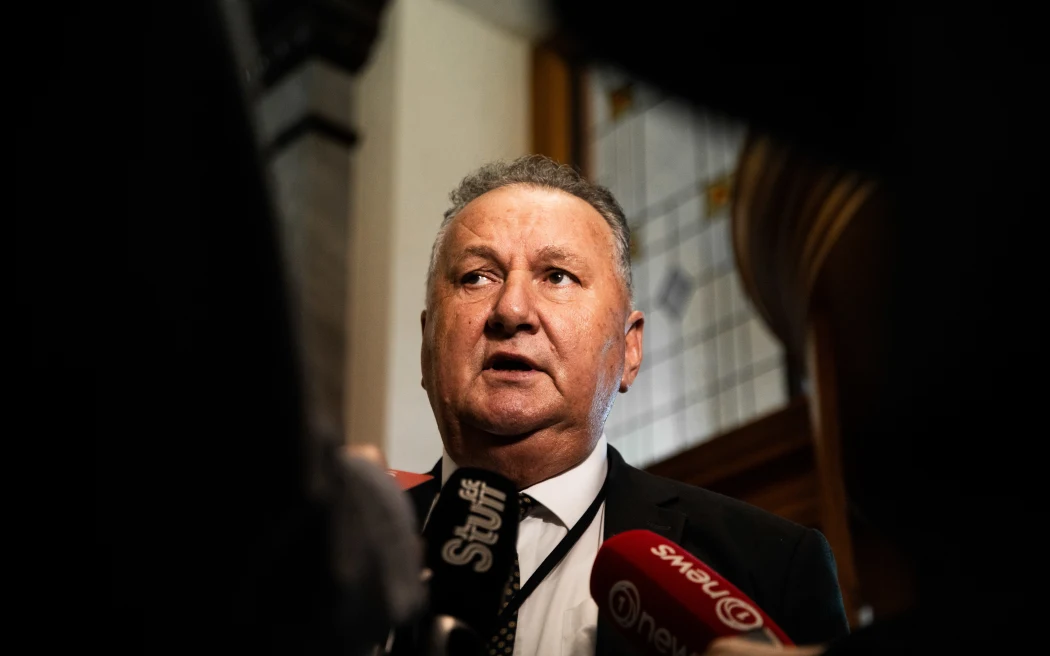

A senior politician in New Zealand is under fire after making controversial remarks about a proposed trade agreement with India. The comments have sparked criticism from political leaders and community groups, raising concerns about diplomacy and public discourse.
The proposed free trade agreement is expected to be signed soon in New Delhi. The government has described the deal as a major economic opportunity. It aims to strengthen trade ties and open access to one of the world’s largest consumer markets.
Controversial Statement Triggers Criticism
Shane Jones, a senior minister and deputy leader of a coalition partner party, criticized the agreement publicly. He used a phrase that many have described as offensive and inappropriate.
His remarks quickly drew strong reactions. Critics said the language was disrespectful and insensitive. As a result, the issue gained attention across media platforms.
Indian Community Expresses Concern
Leaders from the Indian community in New Zealand strongly condemned the comments. Shanti Patel, president of a major community association, called the remarks deeply troubling.
Community members expressed concern about the impact of such statements. They warned that such language could harm social harmony and inclusivity.
In addition, the comments were labeled as discriminatory by several observers. Critics argued that public figures should promote respect and unity.
Political Reactions Intensify
Opposition leaders also reacted strongly. Priyanca Radhakrishnan described the remarks as unacceptable. She stressed that leaders must use responsible language.
Meanwhile, Christopher Luxon acknowledged the controversy. He called the comments unhelpful and emphasized the importance of maintaining respectful dialogue.
The disagreement highlights divisions within the ruling coalition. One partner has withdrawn support for the trade deal. This creates uncertainty about its future.
Trade Deal Faces Political Challenges
The government sees the agreement as a historic opportunity. It could boost exports and strengthen economic cooperation.
However, concerns have been raised about migration and investment commitments. Some officials estimate that the deal could lead to increased migration from India.
In addition, there are concerns about long-term financial commitments. The agreement may require significant investment over several years.
Parliamentary Approval Still Uncertain
The trade deal will need approval from parliament. Due to coalition divisions, the government may rely on opposition support.
The New Zealand Labour Party has not yet decided its position. It is reviewing the potential economic and social impact of the agreement.
This uncertainty adds complexity to the approval process. The final outcome will depend on political negotiations in the coming months.
Broader Impact on International Relations
The controversy comes at a sensitive time. Trade agreements require strong diplomatic relationships. Public statements can influence international perception.
Experts warn that such remarks could affect bilateral ties. Maintaining mutual respect is essential for successful cooperation.
Public Debate Continues
The issue has sparked a wider debate in New Zealand. Citizens are discussing the balance between economic growth and social concerns.
Some support the trade deal for its economic benefits. Others worry about its long-term implications.
Outlook for the Agreement
The future of the agreement remains uncertain. Political divisions and public reaction may influence the final decision.
However, the government continues to push for progress. It views the deal as a key step in expanding global trade partnerships.
The situation highlights the importance of responsible leadership. Clear communication and respect remain essential in both domestic and international affairs.

