
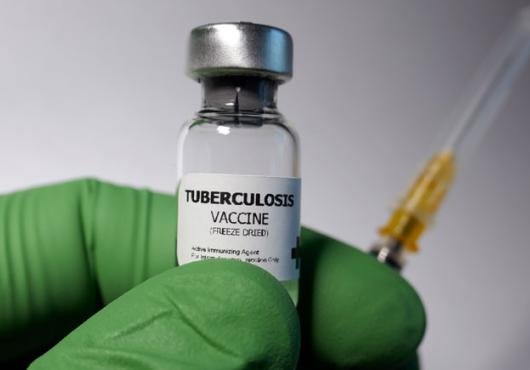

New tuberculosis vaccines expected to become available from 2029 could prevent millions of deaths over the next two decades, according to Gavi.
The global vaccine alliance said the first new TB vaccines could prevent up to 7.3 million deaths between 2030 and 2050 if they reach high-burden countries quickly.
The vaccines could also generate major economic benefits for low- and middle-income countries.
TB Remains the World’s Deadliest Infectious Disease
Tuberculosis remains the world’s leading infectious disease killer.
The World Health Organization estimated that TB caused 1.23 million deaths in 2024.
The only licensed TB vaccine currently available is the Bacille Calmette-Guérin (BCG) vaccine.
BCG has been used for more than 100 years.
It provides important protection against severe forms of TB in infants and young children.
However, its protection against pulmonary TB can weaken over time.
This has created a major gap in protection for adolescents and adults, who account for a large share of TB cases.
New Vaccines Could Transform TB Prevention
Gavi said several new TB vaccine candidates are being developed for adolescents and adults.
The organisation described these vaccines as potentially the “next blockbuster immunisation tool.”
Gavi chief Sania Nishtar said their impact would depend heavily on sufficient vaccine supply.
She urged manufacturers and donors to ensure affordable and predictable access for countries with high TB burdens.
If successful, the new vaccines could significantly reduce TB deaths and transmission over the coming decades.
Vaccine Access Remains a Major Challenge
Despite the promising projections, Gavi warned that vaccine availability could face serious challenges.
Financing gaps could delay large-scale vaccination programmes.
Uncertain demand may also discourage manufacturers from investing in sufficient production capacity.
Weak investment could further slow the rollout of vaccines after regulatory approval.
Gavi said it is already working with partners to prepare for the introduction of new TB vaccines.
The goal is to ensure countries can access and distribute the vaccines quickly once they receive approval.
Potential $135 Billion Economic Benefit
The benefits could extend beyond public health.
Gavi’s analysis estimated that new TB vaccines could generate up to $135 billion in economic benefits across low- and middle-income countries by 2050.
Preventing TB would reduce healthcare costs and help protect families from the financial impact of prolonged illness.
It could also reduce productivity losses caused by TB-related illness and deaths.
The projected benefits highlight the potential value of investing in vaccine development, manufacturing and global distribution before the vaccines become available.
If supply and funding challenges are addressed, new TB vaccines could become a major tool in the global fight against tuberculosis.

