
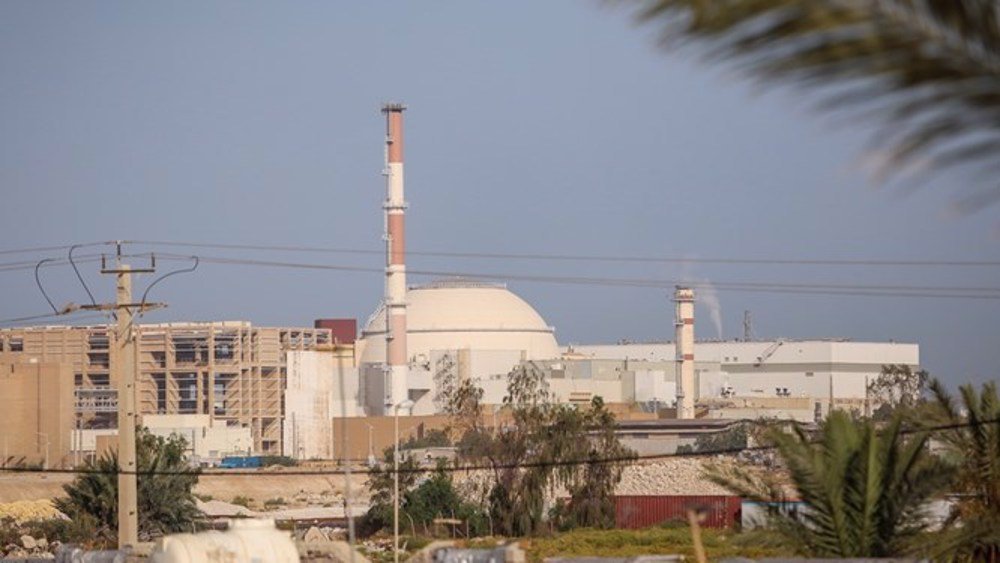

Released imagery provides clearer view of strike impact across Bushehr and Esfahan
Newly released high-resolution satellite imagery has revealed extensive damage to military and nuclear-related facilities in Iran following recent US-Israeli strikes.
Satellite imagery provider Planet Labs restored access to more than 250,000 previously restricted images covering nearly 800 locations across Iran after lifting restrictions that had been in place since March. The newly available images offer analysts a clearer assessment of the impact on key military infrastructure.
Analysis of imagery from Bushehr and Esfahan indicates damage to ammunition storage facilities, ballistic missile infrastructure, air defence sites, naval installations and military bases. Defence intelligence firm Janes said the destruction aligns with reports of a broad campaign targeting both operational military assets and supporting infrastructure.
Military facilities show extensive destruction
In Bushehr, satellite images show damaged aircraft hangars, ammunition depots, dockyards, piers and missile launch facilities linked to both the Iranian military and the Islamic Revolutionary Guard Corps. Several buildings appear flattened, while others suffered collapsed roofs. The imagery also shows destroyed aircraft, damaged naval vessels and craters on multiple runways, including parts of Bushehr International Airport, some of which have already undergone repairs.
Analysts also identified extensive destruction in areas designated as military zones, where numerous structures were either heavily damaged or completely destroyed.
Esfahan bases among heavily affected locations
Images from Esfahan province reveal significant damage at military installations near the cities of Esfahan, Natanz and Baharestan. Janes identified destroyed buildings at Shekari 8 Air Base, including ammunition storage facilities, while more than 60 structures at another military complex south of Esfahan sustained severe damage.
Despite the expanded access to imagery from Iran, Planet Labs continues restricting satellite images across several parts of the Middle East, including Iraq, Lebanon, Israel and Gaza, citing ongoing national security and personnel safety concerns. As a result, many international news organisations continue relying on alternative satellite imagery providers to monitor developments across the region.

