
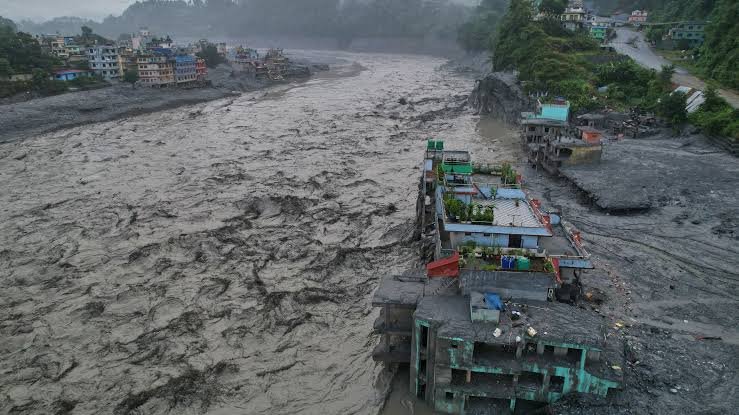

Nepal has placed rescue teams on high alert after fresh flood warnings emerged across several districts. Meanwhile, the death toll from the devastating disaster has risen to 900, according to authorities.
Rescue operations continue as thousands of people remain missing following the catastrophe. Nepal’s disaster management authorities reported that 4,247 people are still unaccounted for. Moreover, hundreds of workers at hydropower projects remain trapped or missing.
Authorities issued new warnings after river levels began rising in Rasuwa, Nuwakot and Dhading districts. Consequently, worsening conditions have complicated ongoing rescue efforts.
Thousands Remain Missing After Disaster
Rescuers are attempting to reach people believed to be trapped inside hydropower tunnels. Massive amounts of mud and rock blocked the tunnels when floodwaters swept through the region.
The Nepal Army has deployed heavy machinery and conducted controlled blasts to clear tunnel entrances. Furthermore, Chinese and Indian specialists have joined the rescue mission to help locate those trapped underground.
The disaster began last Wednesday after a suspected glacier collapse near the Nepal-Tibet border. The collapse unleashed huge volumes of water, ice, mud and rocks into surrounding valleys.
Entire communities suffered extensive damage as roads and bridges were washed away. In addition, at least 12 hydropower projects sustained significant damage.
Rising Rivers Threaten Rescue Operations
Authorities have rescued more than 10,000 people since the disaster began. The figure includes hundreds of foreign nationals evacuated from affected areas.
However, the large number of missing people has increased pressure on rescue teams. Meanwhile, the crisis has also affected neighbouring Tibet in China, where authorities reported at least 16 deaths and hundreds of missing persons.
Nepal’s disaster agency warned that the danger remains far from over. Rising river levels and unstable terrain could trigger additional floods and landslides. Therefore, rescue teams face increasing challenges while trying to reach survivors.
Officials continue monitoring weather conditions and river flows across vulnerable regions. The coming days are expected to remain critical for both rescue and recovery operations.

