

Alliance weighs broader role amid regional instability
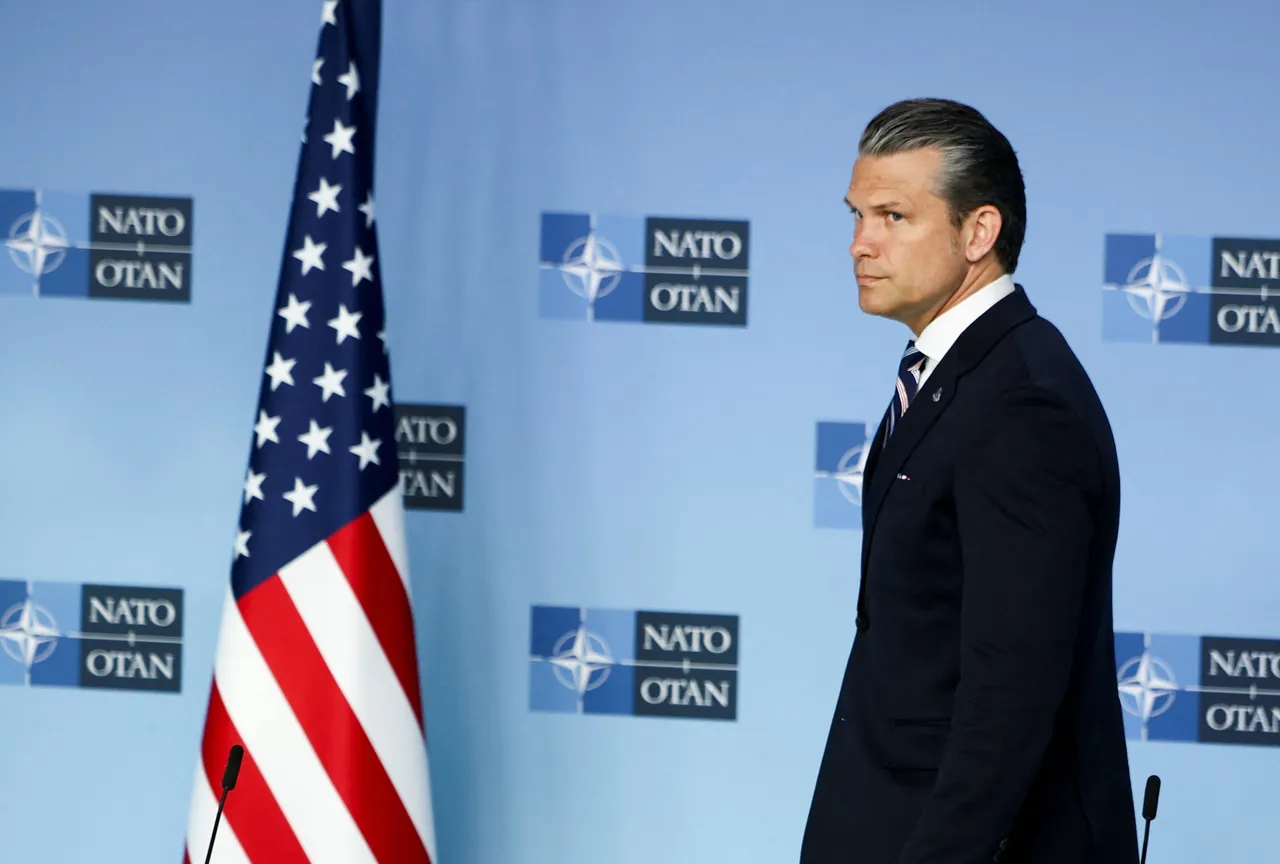
ANKARA: NATO members are placing greater emphasis on the Alliance’s southern flank as instability in the Middle East and rising threats to maritime trade reshape Euro-Atlantic security priorities, experts said during discussions held alongside the NATO Summit in Ankara.
Analysts participating in the “NATO Allies in Ankara” forum argued that recent developments, particularly tensions surrounding Iran and the Strait of Hormuz, have demonstrated how regional crises can rapidly evolve into global security challenges.
Mustafa Caner, a foreign policy researcher at the SETA Foundation, said the Iran-US conflict highlighted the need for NATO to strengthen its southern defenses through member states such as Türkiye. He added that Ankara’s extensive diplomatic engagement across the Middle East positions it to contribute significantly to regional stability.
Experts also noted that NATO’s Southern Neighbourhood Action Plan, introduced two years ago, has gained renewed importance as regional tensions continue to escalate.
Türkiye emerges as a key strategic partner
Meanwhile, analysts stressed that Türkiye’s strategic geography, expanding defence industry, and diplomatic outreach have elevated its role within NATO’s evolving security framework.
Defne Arslan of the Atlantic Council said no major regional conflict could be resolved without Türkiye’s involvement, describing the country as an indispensable strategic partner for both regional and global stability.
Similarly, international relations expert Erman Akilli said Türkiye now contributes beyond geography by advancing defence technologies, artificial intelligence, and innovation that support NATO’s long-term transformation.
Experts also urged NATO to expand its security approach beyond conventional military threats. They argued that cyberattacks, energy security, climate risks, supply chain disruptions, and maritime chokepoints require greater attention alongside traditional defence priorities.
They concluded that NATO should strengthen regional resilience by combining collective defence with sustained diplomatic engagement to address increasingly complex security challenges across its southern neighbourhood.

