

Alliance to focus on defence spending, industrial capacity and long-term security challenges
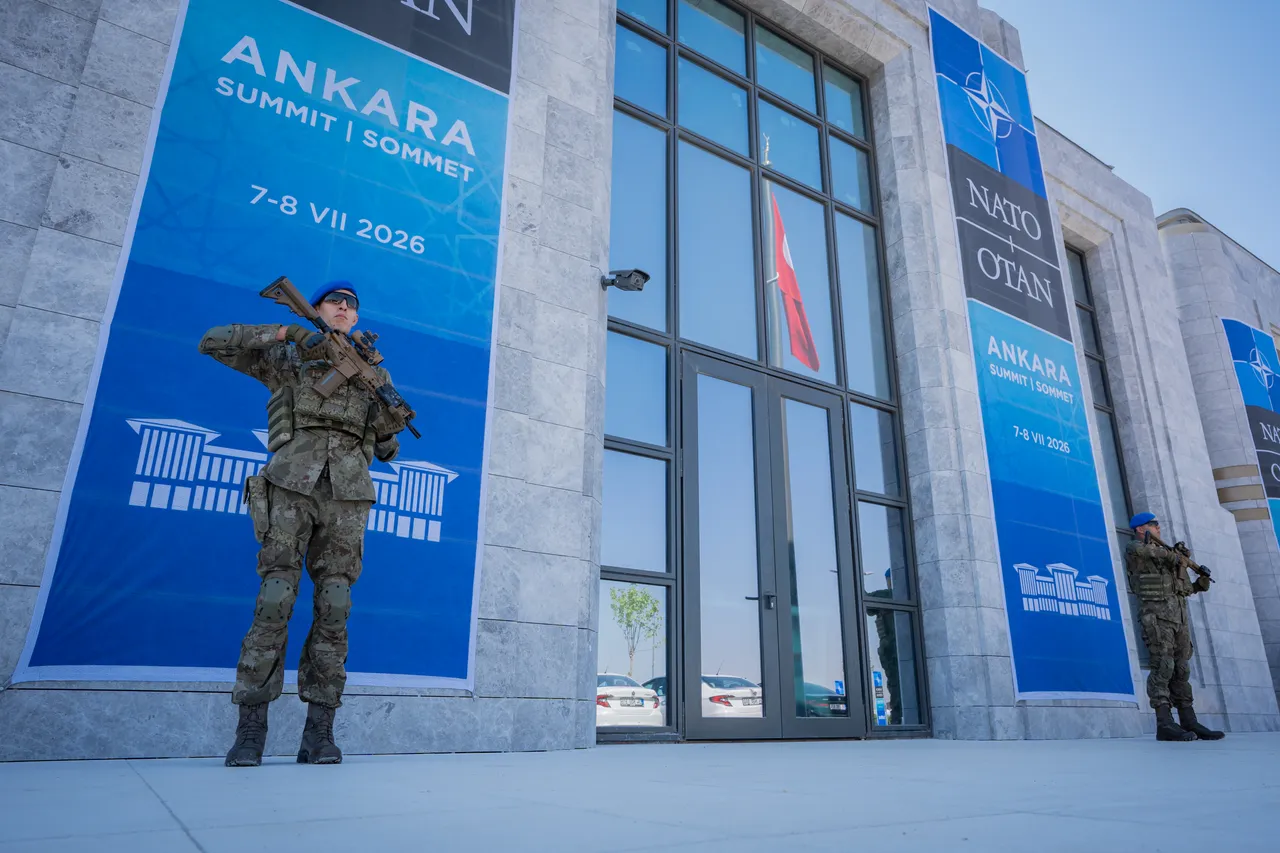
NATO leaders will gather in Ankara on July 7-8 for a summit expected to focus on strengthening military capabilities, increasing defence spending and addressing security challenges stretching from Ukraine to the Middle East.
The meeting comes as Russia’s war in Ukraine enters its fourth year while recent conflict involving Iran has heightened concerns over NATO’s southern flank. Meanwhile, allies continue balancing rising defence commitments with economic pressures at home.
Ahead of the summit, parliamentary representatives meeting in Türkiye called for stronger defence investment, deeper coordination and sustained support for Ukraine. Turkish President Recep Tayyip Erdogan said Ankara would provide a strong platform for allies to exchange views and reinforce a security architecture capable of responding to increasingly complex threats.
Officials said the summit will prioritise implementing existing commitments rather than unveiling a new strategic doctrine. Key discussions will include expanding defence production, strengthening deterrence, improving military readiness and enhancing long-term support for Ukraine.
Defence investment and regional security dominate agenda
Alliance members are expected to discuss plans to work toward allocating five percent of GDP to defence-related spending by 2035, including investments in military infrastructure, resilience and industrial production.
Analysts believe NATO’s future effectiveness will depend on converting financial commitments into sustainable military capabilities. They also noted that maintaining long-term assistance for Ukraine will increasingly rely on expanded defence manufacturing rather than short-term aid packages.
Türkiye’s strategic role gains prominence
The summit also highlights Türkiye’s growing importance within NATO’s defence and security framework. Ankara continues to advocate stronger defence-industrial cooperation, fewer restrictions on defence trade among allies and greater attention to challenges across the Middle East.
Leaders are also expected to discuss alliance unity, burden-sharing and political coordination as NATO manages simultaneous security challenges on its eastern and southern flanks.
Despite differing national priorities, officials say the Ankara summit aims to reinforce cohesion, strengthen collective deterrence and prepare the alliance for an increasingly unpredictable global security environment.

