
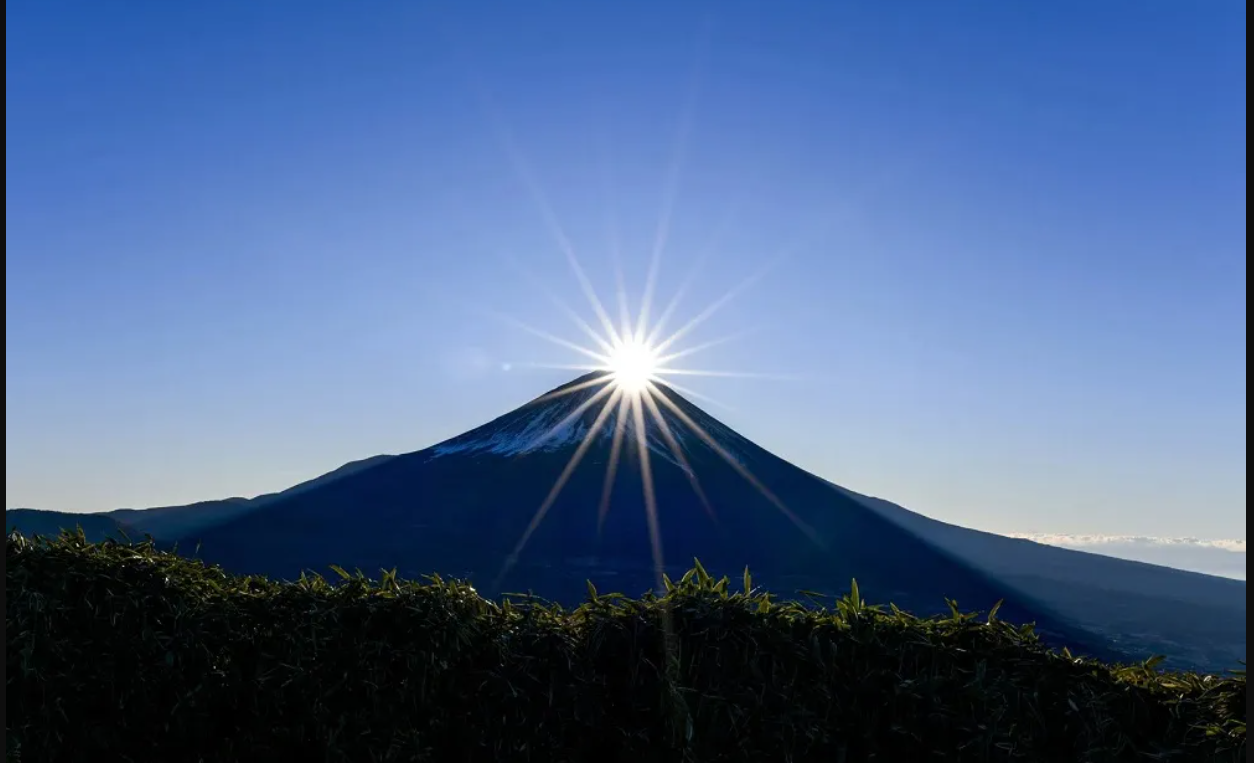

Mount Fuji’s latest climbing season has witnessed both tragedy and an inspiring survival story. A Swiss hiker died after suffering a medical emergency during his climb. Meanwhile, rescuers successfully saved a 99-year-old Japanese woman after she spent a night on the mountain. The contrasting incidents have once again drawn attention to the risks of climbing Japan’s highest peak.
Swiss Hiker Dies After Medical Emergency
A 58-year-old Swiss man lost consciousness while climbing Mount Fuji. Rescue teams revived him before rushing him to a hospital. However, doctors pronounced him dead upon arrival.
The Swiss assisted dying company EXIT later identified the victim as its managing director, Bernhard Sutter. According to the company, he suffered a medical emergency while enjoying a family holiday in Japan.
His death marked the second fatality since Mount Fuji’s official climbing season began on July 1. Earlier, on July 17, a 65-year-old Japanese man died after reportedly falling and striking his head during the climb.
99-Year-Old Woman Rescued After Overnight Stay
On the same day, rescue teams also saved 99-year-old Tome Sagawa after she injured herself while climbing the mountain.
She took shelter inside a mountain hut and remained there overnight before rescuers reached her safely. Despite her age, she survived the difficult conditions, making her rescue one of the most remarkable incidents of this year’s climbing season.
Authorities Urge Climbers to Prioritize Safety
Following the recent incidents, authorities reminded visitors to carefully assess their physical condition before attempting the challenging hike.
“Police are urging hikers to come down from the mountain without pushing themselves if they feel concerned about the weather or their physical condition, and to plan hikes that are within their capabilities, taking into account their climbing experience and physical fitness,” a police spokesman said.
Officials stressed that climbers should never ignore signs of exhaustion or worsening weather conditions. Instead, they encouraged hikers to descend immediately whenever safety becomes a concern.
Mount Fuji Continues to Face Safety Challenges
Mount Fuji rises 3,776 metres above sea level. The mountain has long been regarded as a sacred pilgrimage destination. However, it has also become one of Japan’s most visited tourist attractions.
The round-trip hike usually takes between five and ten hours. Consequently, authorities continue to warn that the climb demands proper preparation, suitable equipment, and adequate physical fitness.
Safety concerns have increased in recent years because many visitors underestimate the mountain’s difficulty. Some climbers attempt the ascent without proper gear, while others ignore changing weather conditions.
Only days before the latest incidents, a 54-year-old Japanese man required rescue twice within two days while attempting the climb.
A similar case attracted global attention in 2025. A Chinese climber, who had been rescued outside the official climbing season, later returned to recover his phone and personal belongings. As a result, rescue teams had to assist him again.
Japan Tightens Mount Fuji Climbing Rules
Authorities have introduced stricter measures to manage overtourism and improve visitor safety.
In 2024, Yamanashi Prefecture imposed a daily limit of 4,000 climbers on the popular Yoshida Trail. Officials also introduced a climbing fee of 2,000 yen. The fee later doubled to 4,000 yen in 2025.
Similarly, neighbouring Shizuoka Prefecture introduced a 4,000-yen fee for hikers using its three climbing trails.
These measures aim to reduce overcrowding and encourage responsible tourism. Although restrictions have tightened, Mount Fuji continues to attract large numbers of visitors every year.
More than 200,000 people climbed the mountain last year. However, that figure declined from just over 220,000 recorded in 2023.
Officials reported nine climbing-related deaths during the 2024 season. Encouragingly, no fatalities were recorded in the 2025 season. Nevertheless, the latest incidents show that Mount Fuji remains both breathtaking and dangerous, especially for climbers who underestimate its physical demands.

